

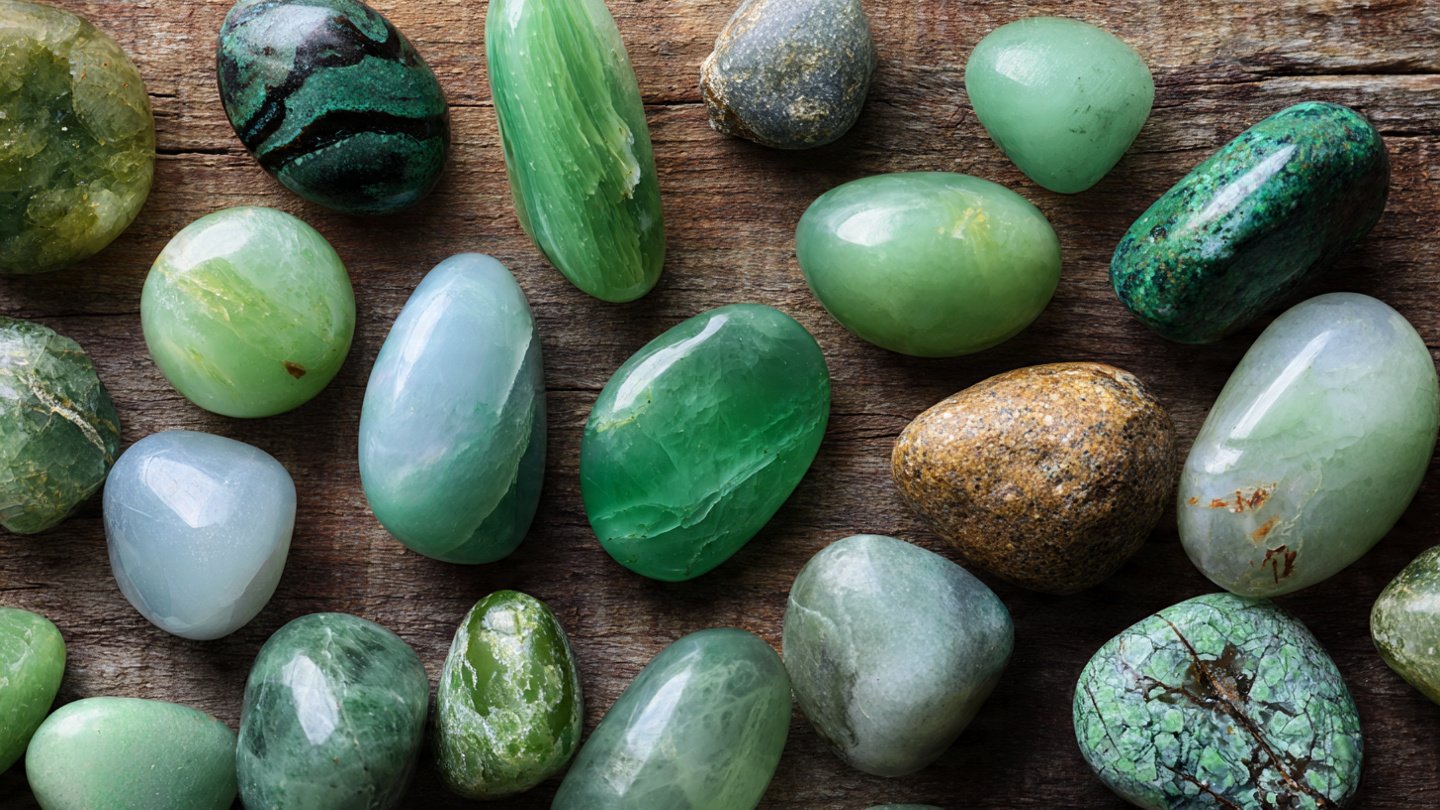
Jade has inspired countless myths and misconceptions over thousands of years. Some people believe jade cures medical problems. Others think all green stones are jade. Some insist jade becomes more valuable every year. These beliefs feel true because they’ve been repeated so often.
The reality is different from popular myths. Understanding the truth about jade helps you make smarter purchases, care for your pieces properly, and appreciate this gemstone for what it actually is rather than what folklore claims.
I’m going to bust the biggest jade myths once and for all. You’ll discover which beliefs have merit and which are pure fiction.
Myth One Jade Always Brings Good Luck
This persistent belief comes from thousands of years of cultural tradition. Many cultures associate jade with protection, prosperity, and spiritual benefits.
The truth is more nuanced. Jade doesn’t possess magical properties that create luck. No stone can bend reality or change your destiny regardless of what you wear.
However, this myth contains a kernel of psychological truth. When you believe something brings good luck, you pay more attention to positive outcomes. You notice good things happening and overlook coincidences that contradict your belief. This psychological effect is real, but it’s your mind at work, not jade magic.
Wearing jade might boost your confidence because you believe it brings luck. That confidence could lead to better decisions or more positive interactions with others. So jade indirectly influences outcomes through your psychology, not through mystical properties.
The bottom line: wear jade for its beauty and durability, not for guaranteed luck. If it makes you feel confident, that’s a genuine benefit worth enjoying.
Myth Two All Green Stones Are Jade
Walk into a tourist market and merchants will sell you jade. They’ll show you beautiful green stones claiming they’re all jade. Often they’re not.
Many stones are green. Aventurine, serpentine, tourmaline, and other minerals look similar to jade but are completely different. Sellers sometimes deliberately mislabel these stones as jade because jade commands higher prices.
Real jade is either jadeite or nephrite. Both are specific minerals with particular properties. Just being green doesn’t make something jade.
The easiest test is the weight test. Real jade feels heavy for its size due to its density. Many fake jades feel light. The sound test works too. Real jade produces a clear, bell-like tone when gently tapped. Fake jade produces dull thuds.
Always ask for documentation when buying expensive stones. Reputable sellers provide gemological certificates confirming what they’re selling is actual jade. Don’t assume green equals jade.
Myth Three More Expensive Jade Is Always Better
Price and quality aren’t always perfectly correlated. Some expensive jade isn’t better than moderately priced jade. Understanding what actually determines value prevents overpaying.
Color intensity matters most. Brilliant emerald green jadeite commands higher prices than pale green nephrite. But a pale green piece might be higher quality than a muddy-colored expensive piece.
Translucency affects value. Transparent jade typically costs more than opaque jade. However, opaque jade can be beautiful and durable.
Origin influences pricing. Burmese jade commands premium prices because Myanmar produces the finest imperial jade. But Guatemalan or Chinese jade can be equally beautiful and durable.
Treatment status dramatically affects value. Natural untreated jade costs substantially more than treated jade. Type B and C treated jade costs much less than natural jade.
The most expensive jade isn’t automatically the best for your needs. A moderately priced natural nephrite piece might be better for daily-wear jewelry than expensive treated jadeite.
Research before purchasing. Compare similar pieces from different sellers. Don’t assume the highest price indicates the best quality.
Myth Four Jade Never Needs Cleaning
This myth suggests jade stays perfect forever without maintenance. That’s not accurate.
Jade requires cleaning like any jewelry. Dust, oil, soap residue, and dirt accumulate on the surface. Cleaning removes these substances and restores shine.
The key is using proper cleaning methods. Clean jade with lukewarm water and mild soap using a soft cloth. This removes buildup safely.
Never use harsh chemicals, ultrasonic cleaners, or steam cleaning. These damage jade or remove protective treatments. Extreme temperature changes during steam cleaning can crack the stone.
Regular gentle cleaning maintains jade’s beauty. Yearly professional cleaning by a jeweler is a good idea for valuable pieces.
Jade is durable, but it’s not self-cleaning. Treating it with basic care keeps it beautiful for generations.
Myth Five Jade Value Increases Every Year
Many people buy jade assuming it’s a safe investment that always appreciates. This myth causes financial disappointment.
Jade value depends on multiple factors. Quality jade from reputable sources does appreciate. However, treated jade or poor-quality pieces lose value over time.
Market demand fluctuates. Jade was extremely valuable in ancient China but commanded lower prices in Western markets until recently. Fashion trends affect which colors are popular. Red jade might be hot today and less desirable tomorrow.
Natural untreated jade holds value better than treated jade. As polymer treatments degrade, treated jade becomes less appealing and valuable.
The safest approach is buying jade you genuinely love, not as a pure investment. If the value appreciates, that’s a bonus. If you’re buying strictly for investment returns, expect variable results.
Quality matters enormously for appreciation potential. Imperial jade from Myanmar appreciates reliably. Treated jade from unknown sources might depreciate.
Myth Six Jade Is Impossible to Break or Damage
This myth comes from jade’s genuine toughness. Ancient peoples used jade for tools and weapons because it resists breaking. This history created the impression that jade is unbreakable.
Jade is tough, but it’s not indestructible. Extreme impacts can crack or break jade. Dropped repeatedly on hard surfaces eventually causes damage. Struck forcefully with tools can cause breakage.
Jade is more durable than many gemstones, but less durable than diamond or sapphire. It’s more durable than emerald or opal.
For daily-wear jewelry, jade performs excellently because impacts from normal wear don’t cause problems. But abuse causes damage just like with any gemstone.
Proper care ensures your jade remains beautiful. Avoid extreme temperature changes, harsh chemicals, and careless handling. Treat jade with the respect any fine jewelry deserves.
Myth Seven Only Jade From China Is Real
This myth persists because China has a long jade carving tradition and produces beautiful jade. However, high-quality jade comes from multiple sources worldwide.
Myanmar produces the finest imperial jade. Burmese jadeite commands premium prices because of its exceptional quality. Guatemalan jade displays beautiful colors and translucency. New Zealand nephrite is treasured for its toughness and subtle beauty.
Russian, Canadian, and Alaskan jade are all genuine and beautiful. Chinese nephrite is wonderful, but it’s not the only source of quality jade.
Where jade comes from matters less than its quality. A beautiful Guatemalan jade piece can rival Chinese jade in beauty and value. Don’t assume Chinese origin guarantees quality or authenticity.
Focus on quality characteristics rather than origin. Beautiful, well-crafted jade comes from multiple countries worldwide.
Myth Eight Jade Can Be Authenticated Just by Looking
Many people think they can identify real jade through appearance alone. This myth leads to purchasing fakes.
Some characteristics suggest jade. Weight, color, and translucency provide clues. However, skilled counterfeiters create convincing fakes that fool untrained eyes.
Your file is almost ready
Please wait 15 seconds to unlock the secure download button.
Professional gemologists use equipment like magnification, refractive index testing, and X-ray analysis for definitive identification. These tests reveal internal structure and mineral composition that casual observation misses.
Visual inspection alone isn’t reliable. Many materials mimic jade’s appearance. Glass, plastic, and treated stones look similar to untrained observers.
Always request documentation for expensive purchases. Gemological certificates from recognized institutes provide proof of authenticity. Don’t rely on visual assessment alone.
If something seems too good to be true price-wise, get professional verification. The small cost of testing saves you from expensive mistakes.
Myth Nine All Jade Is Green
This myth persists because green jade is most common. However, jade appears in many colors.
Jadeite displays brilliant colors beyond green. You find imperial jade in vivid emerald green. But jadeite also comes in vibrant reds, purples, lavenders, whites, yellows, and blacks.
Nephrite appears in greens ranging from pale celadon to deep forest. White nephrite called mutton fat jade is prized for its subtle beauty. Black nephrite and brown nephrite also exist.
Color doesn’t determine authenticity. A white jade carving is just as real as green jade. Red jade is genuine jade, not a different stone.
The color myth probably comes from imperial green jade’s cultural importance. This variety became so iconic that people assumed all jade was green.
Don’t discount jade just because it’s not green. Beautiful jade comes in many colors, each with unique appeal.
Myth Ten Treated Jade Is Worthless
Some people believe treated jade has no value. This is too extreme. Treated jade is real jade that received processing.
The key distinction is value difference, not worthlessness. Natural untreated jade costs more because it’s rarer and more permanent. Treated jade costs less but still has value.
Type A treated jade, which receives only minimal waxing, is nearly equivalent to natural jade. People gladly wear Type A jade jewelry.
Type B and Type C treated jade cost substantially less than natural jade. However, quality Type B pieces are still beautiful and wearable. They’re just not investments like natural jade.
Treated jade works fine for personal enjoyment and regular wear. Just understand what you’re purchasing and pay accordingly.
Don’t overpay for treated jade thinking it’s natural. But don’t dismiss treated jade entirely either. If you like it and the price reflects its treatment status, buying treated jade is a reasonable choice.
Myth Eleven Jade Can Cure Diseases
Traditional Chinese medicine attributes healing properties to jade. This belief suggests wearing jade cures or prevents illness.
Jade has no scientifically proven medical benefits. No studies show jade can cure kidney stones, regulate body temperature, or treat any disease. These are traditional claims without medical support.
Jade is beautiful and enjoyable to wear. It might provide psychological comfort if you believe in its healing properties. But don’t substitute jade for actual medical treatment.
If you have health concerns, see a doctor. Wear jade for its beauty and cultural significance, not as medical treatment.
This myth can be genuinely dangerous if people delay legitimate medical care thinking jade will help. Understand jade’s real qualities and limitations.
Myth Twelve Jade Is Always Translucent
Many people expect jade to be somewhat transparent. This expectation comes from seeing premium imperial jade, which is highly translucent.
Most jade is opaque or semi-translucent. Thick pieces block light completely. Only thin pieces or premium quality jade show significant translucency.
Opacity doesn’t reduce jade’s value or beauty. Opaque jade can be gorgeous and perfectly suitable for jewelry and carving.
The most common nephrite is opaque or nearly opaque. This doesn’t mean it’s inferior to translucent jadeite. Opaque nephrite is durable, beautiful, and appropriate for fine pieces.
Don’t expect all jade to glow when held to light. Much jade is solid and opaque, and that’s perfectly normal and acceptable.
How to Spot Jade Misinformation
You’ll encounter many jade myths in shops, online, and from well-meaning friends. Here’s how to evaluate what you hear.
Extraordinary claims deserve extraordinary evidence. If someone claims jade cures disease or guarantees wealth, be skeptical. Legitimate jewelers stick to factual information.
Check multiple sources. If only one seller makes an unusual claim, question it. Reputable sources should agree on basic facts.
Certificates from recognized gemological institutes carry weight. Organizations like GIA and ICA use scientific methods for verification. Trust their findings.
Personal recommendations matter but understand confirmation bias. Someone who bought jade and attributed good luck to it might overlook coincidences or confirmation bias.
Research online from educational sources. University gemology programs, museum websites, and professional gemological organizations provide reliable information.
Separating Jade Facts From Fiction
Understanding jade mythology doesn’t mean dismissing cultural significance. Jade holds genuine importance in many traditions.
Appreciate jade for what it is: a beautiful, durable gemstone with an impressive history. Enjoy it for its appearance and craftsmanship. If cultural beliefs about jade resonate with you, that’s meaningful.
Just don’t let myths influence purchasing decisions or lead you to expect things jade cannot deliver.
Buy natural jade if you want maximum value and permanence. Treated jade is fine if you understand what you’re getting and pay accordingly.
Clean and care for jade properly. Avoid extreme conditions and careless handling. Jade will remain beautiful for generations.
Get professional verification for expensive pieces. Rely on gemological expertise rather than visual assessment alone.
Conclusion
Jade myths developed over thousands of years as cultures treasured this beautiful stone. Understanding which beliefs are true and which are fiction helps you appreciate jade accurately.
Jade is genuinely tough and beautiful. It doesn’t possess magical powers but it’s an excellent choice for jewelry and art. Treated jade is real jade but costs less than natural jade. Quality matters more than origin. Green isn’t the only jade color.
Myths about jade aren’t inherently harmful if you enjoy them culturally. Just don’t let myths override practical purchasing decisions or make you expect supernatural results.
Wear jade because it’s beautiful, durable, and culturally significant. Understand its real properties and limitations. Care for it properly so it lasts generations.
Have you believed any jade myths before reading this? Which myth surprised you most? Share your jade stories and experiences in the comments below. Tell us which facts changed how you view jade. If this guide helped you separate jade facts from fiction, share it with friends and family who appreciate gemstones. Knowledge about jade helps everyone make better decisions.


