

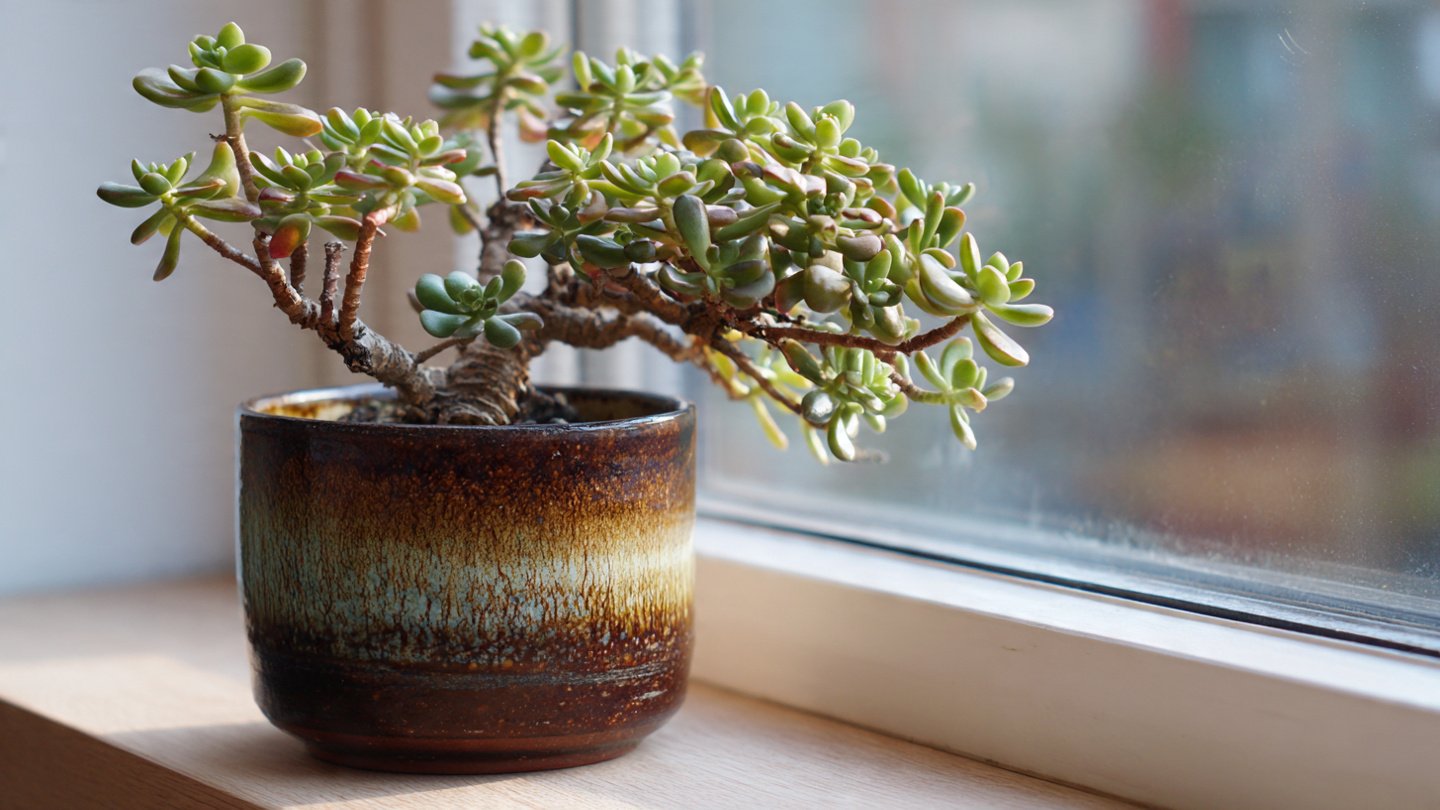
If you’re looking for a low-maintenance houseplant that practically thrives on neglect, the jade plant might just be your new best friend. These charming succulents have won hearts worldwide with their thick, glossy leaves and tree-like appearance. But here’s the thing: while jade plants are forgiving, they still need proper care to truly flourish indoors.
In this comprehensive guide, we’ll walk you through everything you need to know about jade plant care. Whether you’re a complete beginner or looking to improve your green thumb skills, you’ll discover practical tips that actually work. Let’s dive in and turn your jade plant into a thriving indoor companion.
Understanding Your Jade Plant: The Basics
Before we jump into care instructions, let’s get acquainted with what makes jade plants special. Scientifically known as Crassula ovata, jade plants are native to South Africa and Mozambique. They belong to the succulent family, which explains their ability to store water in their thick leaves and stems.
Many people call them “money plants” or “friendship trees” because of popular beliefs that they bring good luck and prosperity. According to feng shui practitioners, placing a jade plant near your entrance can attract positive energy and financial success. While we can’t guarantee wealth, we can promise you’ll have a beautiful plant.
Jade plants can live for decades with proper care. Some specimens have been passed down through generations, growing into impressive miniature trees over 3 feet tall. The oldest recorded jade plants are over 100 years old, which makes them excellent long-term investments for your indoor garden.
Light Requirements: Finding the Sweet Spot
Light is absolutely crucial for jade plant care. These succulents are sun-lovers by nature, but indoor conditions require some adjustment. The key is providing bright, indirect light for most of the day.
Ideal Light Conditions
Place your jade plant near a south-facing or west-facing window where it receives at least 4-6 hours of bright light daily. The morning sun is particularly beneficial and won’t scorch the leaves. If you notice your plant becoming leggy (stretching toward the light with gaps between leaves), it needs more light exposure.
Here’s a pro tip: rotate your jade plant a quarter turn every week. This simple habit ensures even growth on all sides and prevents the plant from leaning heavily toward the light source. Your jade will develop a more balanced, attractive shape this way.
What About Low Light?
Can jade plants survive in low light? Technically yes, but they won’t thrive. In dim conditions, jade plants grow slowly, lose their vibrant green color, and become more susceptible to overwatering issues. If you’re working with limited natural light, consider using a grow light for 12-14 hours daily to supplement.
According to research from the University of Georgia Extension, succulents like jade plants need approximately 2000-3000 foot-candles of light for optimal growth. That’s roughly equivalent to bright, indirect sunlight near a window.
Watering Your Jade Plant: The Golden Rule
Here’s where most people go wrong with jade plant care. These succulents are incredibly drought-tolerant, and overwatering is their number one enemy. The golden rule? When in doubt, wait it out.
The Right Watering Schedule
Water your jade plant thoroughly when the soil is completely dry, typically every 2-3 weeks during spring and summer. In fall and winter, when growth slows down, reduce watering to once a month or even less. The exact frequency depends on your home’s temperature, humidity, and light levels.
Here’s how to check if your jade plant needs water:
- Stick your finger 2 inches into the soil. If it feels dry, it’s watering time.
- Pick up the pot. A dry pot feels noticeably lighter than a freshly watered one.
- Look at the leaves. Slightly wrinkled or soft leaves indicate thirst, while plump leaves mean the plant is well-hydrated.
How to Water Properly
When you do water, do it right. Pour water slowly around the base of the plant until it drains from the bottom holes. Let all excess water drain completely, then empty the saucer underneath. Never let your jade plant sit in standing water, as this leads to root rot faster than you can say “overwatering disaster.”
Use room-temperature water for best results. Cold water can shock the roots, while hot water damages them. If your tap water is heavily chlorinated, let it sit overnight before using, or switch to filtered or distilled water.
Choosing the Right Soil and Pot
The foundation of good jade plant care starts with proper soil and container selection. These elements work together to prevent the dreaded root rot and promote healthy growth.
Best Soil for Jade Plants
Jade plants need well-draining soil that doesn’t retain too much moisture. A commercial cactus and succulent mix works perfectly, or you can create your own blend using:
- 2 parts potting soil
- 1 part coarse sand or perlite
- 1 part peat moss or coconut coir
The goal is creating a chunky, airy mixture that water flows through quickly. According to horticulturists at the Royal Horticultural Society, soil pH should be slightly acidic to neutral, around 6.0-7.0, for optimal nutrient absorption.
Selecting the Perfect Pot
Always choose a pot with drainage holes. This is non-negotiable for jade plant care. Terracotta pots are excellent choices because they’re porous and allow excess moisture to evaporate through the walls. Ceramic or plastic pots work too, as long as they have adequate drainage.
Size matters here. Pick a pot that’s only 1-2 inches larger than the root ball. Jade plants actually prefer being slightly root-bound, and oversized pots hold too much moisture, increasing rot risk. A shallow, wide pot works better than a deep, narrow one since jade plant roots spread horizontally.
Temperature and Humidity: Creating Comfort
Jade plants are pretty adaptable when it comes to indoor conditions, but they do have preferences that will keep them looking their best.
Temperature Requirements
These succulents thrive in temperatures between 65-75°F (18-24°C) during the day. They can tolerate nighttime temperatures as low as 50°F (10°C), which actually helps trigger blooming in mature plants. However, keep your jade plant away from temperatures below 40°F (4°C) as frost damage can occur quickly.
Avoid placing your jade plant near heating vents, air conditioners, or drafty windows. Sudden temperature fluctuations stress the plant and can cause leaf drop. The more stable the environment, the happier your jade will be.
Humidity Levels
Here’s good news for those living in dry climates: jade plants prefer low to moderate humidity levels (30-50%). They’re perfectly content in typical household humidity and don’t need misting or humidity trays. In fact, excessive humidity can encourage fungal problems, so your dry indoor air is actually ideal.
Fertilizing for Healthy Growth
Jade plants are light feeders, meaning they don’t need much fertilizer to stay healthy. Less is definitely more when it comes to feeding these succulents.
During the growing season (spring and summer), feed your jade plant once a month with a balanced, water-soluble fertilizer diluted to half strength. A 10-10-10 or 20-20-20 NPK ratio works well. You can also use a fertilizer specifically formulated for cacti and succulents.
Stop fertilizing completely during fall and winter when the plant enters dormancy. Feeding during this period can cause weak, elongated growth and makes the plant more vulnerable to problems. Resume feeding when you notice new growth emerging in spring.
A study published in the Journal of Environmental Horticulture found that succulents fertilized with diluted solutions showed better overall health than those receiving full-strength applications. The researchers noted that excess nitrogen particularly causes soft, weak growth susceptible to pests and diseases.
Pruning and Shaping Your Jade Plant
Regular pruning keeps your jade plant compact, bushy, and attractive. Plus, it’s easier than you might think and gives you free cuttings to propagate new plants.
When to Prune
The best time for pruning is early spring, just before the growing season begins. However, you can remove dead, damaged, or leggy growth any time of year. Mature jade plants benefit from annual pruning to maintain shape and encourage branching.
How to Prune Correctly
Use clean, sharp pruning shears or scissors. Make cuts just above a leaf node (where leaves attach to the stem) at a 45-degree angle. This encourages new branches to form at the cut site. Remove any crossing branches, dead leaves, or stems growing in unwanted directions.
Your file is almost ready
Please wait 15 seconds to unlock the secure download button.
Don’t remove more than 20-25% of the plant at one time. Excessive pruning stresses the plant and slows recovery. If your jade plant needs significant reshaping, spread the work over several sessions.
Here’s a fun fact: jade plants can be shaped into bonsai trees with patient training. The process takes years but creates stunning miniature trees that become family heirlooms.
Propagating Jade Plants: Growing Your Collection
One of the most rewarding aspects of jade plant care is how easily they propagate. You can create new plants from both stem cuttings and individual leaves, and the success rate is impressively high.
Stem Cutting Method
Cut a 3-4 inch stem section with several leaves attached. Let the cutting dry in a warm, shaded spot for 3-5 days until the cut end forms a callus. This step prevents rot when you plant it. Once callused, stick the cutting 1-2 inches deep into well-draining soil. Water lightly and wait patiently. Roots typically develop within 3-4 weeks.
Leaf Propagation Method
Gently twist a healthy leaf from the stem, making sure you get the entire base. Let it callus for a few days, then lay it on top of slightly moist succulent soil. Don’t bury it. Within weeks, tiny roots and baby plants will emerge from the base. Once the new plant establishes itself, the mother leaf will naturally wither away.
According to propagation experts at the University of Florida Extension, jade plants have a 70-80% success rate with proper technique, making them one of the easiest houseplants to multiply.
Common Problems and Solutions
Even with excellent care, jade plants sometimes face challenges. Let’s troubleshoot the most common issues and their fixes.
Dropping Leaves
Leaf drop usually signals overwatering or underwatering. Check the soil moisture and adjust your watering schedule accordingly. Sudden temperature changes or drafts can also cause leaves to fall. Move your plant to a more stable location and be patient while it recovers.
Wrinkled or Soft Leaves
This typically means your jade plant is thirsty. Give it a thorough watering and the leaves should plump up within a day or two. If leaves remain soft after watering, you might be dealing with root rot from previous overwatering. Check the roots and repot if necessary.
Brown or Black Spots
Dark spots on leaves often indicate fungal or bacterial infections from excessive moisture. Remove affected leaves, reduce watering frequency, and improve air circulation around the plant. If spots spread rapidly, you may need to take cuttings from healthy parts and start fresh.
Yellowing Leaves
Lower leaves naturally yellow and drop as plants age, which is normal. However, if multiple leaves turn yellow simultaneously, overwatering is the likely culprit. Let the soil dry out completely before watering again, and consider repotting if the soil stays soggy.
Red Edges on Leaves
Don’t panic! Red or pink leaf edges are actually a sign your jade plant is getting plenty of light, especially in cooler temperatures. This coloration is perfectly normal and many growers find it attractive. It’s the plant’s way of producing protective pigments against bright light.
Pest Problems
Jade plants occasionally attract mealybugs, spider mites, or scale insects. Inspect your plant regularly, especially leaf axils and undersides. Treat infestations with insecticidal soap or neem oil spray. For stubborn pests, dab them directly with rubbing alcohol using a cotton swab.
Repotting Your Jade Plant
Jade plants are slow growers and don’t need frequent repotting. Young plants benefit from repotting every 2-3 years, while mature specimens can stay in the same pot for 4-5 years or longer.
Signs your jade plant needs repotting include roots growing through drainage holes, water running straight through without absorbing, or the plant becoming top-heavy and tipping over easily. Early spring is the ideal time for this task.
Step-by-Step Repotting Guide
- Wait for dry soil: Repot when the soil is completely dry, making it easier to remove the root ball without damage.
- Choose the right pot: Select a container 1-2 inches larger in diameter with drainage holes.
- Prepare fresh soil: Use new cactus and succulent mix. Never reuse old soil.
- Remove the plant: Gently tip the pot and slide out the root ball. Loosen circling roots carefully.
- Inspect roots: Trim any black, mushy, or dead roots with clean scissors.
- Plant at the same depth: Position the jade plant at its original soil level in the new pot.
- Fill with soil: Add soil around the roots, gently firming to eliminate air pockets.
- Wait to water: Hold off watering for 5-7 days to allow roots to settle and heal any damage.
After repotting, your jade plant might experience minor shock with some leaf drop. This is normal. Place it in bright, indirect light and resume normal care once the waiting period ends.
Advanced Care Tips for Thriving Jade Plants
Ready to take your jade plant care to the next level? These expert tips will help your plant reach its full potential.
Encouraging Blooming
Mature jade plants (usually 10+ years old) can produce clusters of small, star-shaped white or pink flowers in late winter or early spring. To encourage blooming, provide a cool rest period (50-55°F) for 6-8 weeks in winter, reduce watering significantly, and ensure the plant receives bright light year-round. While not guaranteed, these conditions mimic the plant’s natural environment and may trigger flowering.
Creating a Bonsai Jade Plant
Jade plants make excellent bonsai subjects due to their woody stems and small leaves. Start with an established plant, prune regularly to maintain desired shape, and use training wire to gently position branches. Repot into a shallow bonsai pot and remove large leaves to maintain proportion. Patience is essential as developing an impressive jade bonsai takes several years.
Maximizing Trunk Thickness
Want that impressive, tree-like trunk? Remove lower leaves as the plant grows, allowing the stem to develop woody bark. Provide optimal light and avoid overwatering, which causes soft growth. The more stable and consistent your care, the thicker and sturdier the trunk becomes over time.
Frequently Asked Questions About Jade Plant Care
Are jade plants toxic to pets?
Unfortunately, yes. Jade plants are toxic to cats and dogs according to the ASPCA. If ingested, they can cause vomiting, lethargy, and incoordination. Keep jade plants out of reach of curious pets, or choose pet-safe alternatives like spider plants or Boston ferns if you have animals at home.
Why isn’t my jade plant growing?
Jade plants are naturally slow growers, typically adding only a few inches per year. However, insufficient light, lack of fertilizer during growing season, or being severely root-bound can slow growth further. Ensure your plant receives adequate bright light and consider repotting if it hasn’t been done in several years.
Can I grow jade plants outdoors?
In warm climates (USDA zones 10-11), jade plants thrive outdoors year-round. In cooler regions, you can move them outside during summer, but bring them indoors before temperatures drop below 50°F. Gradually acclimate them to outdoor conditions to prevent sunburn.
How fast do jade plants grow?
Under ideal conditions, jade plants grow 2-4 inches per year. Factors affecting growth include light quality, temperature, watering frequency, and fertilization. Young plants grow faster than mature specimens. With proper care, a small cutting can develop into a substantial plant within 5-7 years.
Final Thoughts on Jade Plant Care
Caring for a jade plant indoors isn’t complicated once you understand their basic needs. These remarkable succulents reward minimal effort with decades of beauty and companionship. Remember the core principles: bright light, infrequent watering, well-draining soil, and patience.
Your jade plant won’t become a lush tree overnight, but with consistent care following this guide, you’ll watch it transform from a small cutting into an impressive specimen that might outlive your houseplants and possibly become a treasured family heirloom.
Start implementing these jade plant care tips today, and you’ll be amazed at how this low-maintenance succulent thrives under your attention. Whether you’re aiming for a compact desktop plant or a statement piece for your living room, jade plants adapt beautifully to your vision.
Ready to become a jade plant expert? Save this guide for future reference, share it with fellow plant enthusiasts, and drop a comment below about your jade plant journey. What challenges have you faced, and what successes have you celebrated? Let’s grow our knowledge together!
And if you found this guide helpful, consider subscribing for more plant care tips and indoor gardening advice. Your future plants will thank you!
Disclaimer: This article provides general jade plant care information based on horticultural best practices and research from trusted sources including university extension programs and botanical organizations. Individual plant needs may vary based on your specific environment and conditions.


