

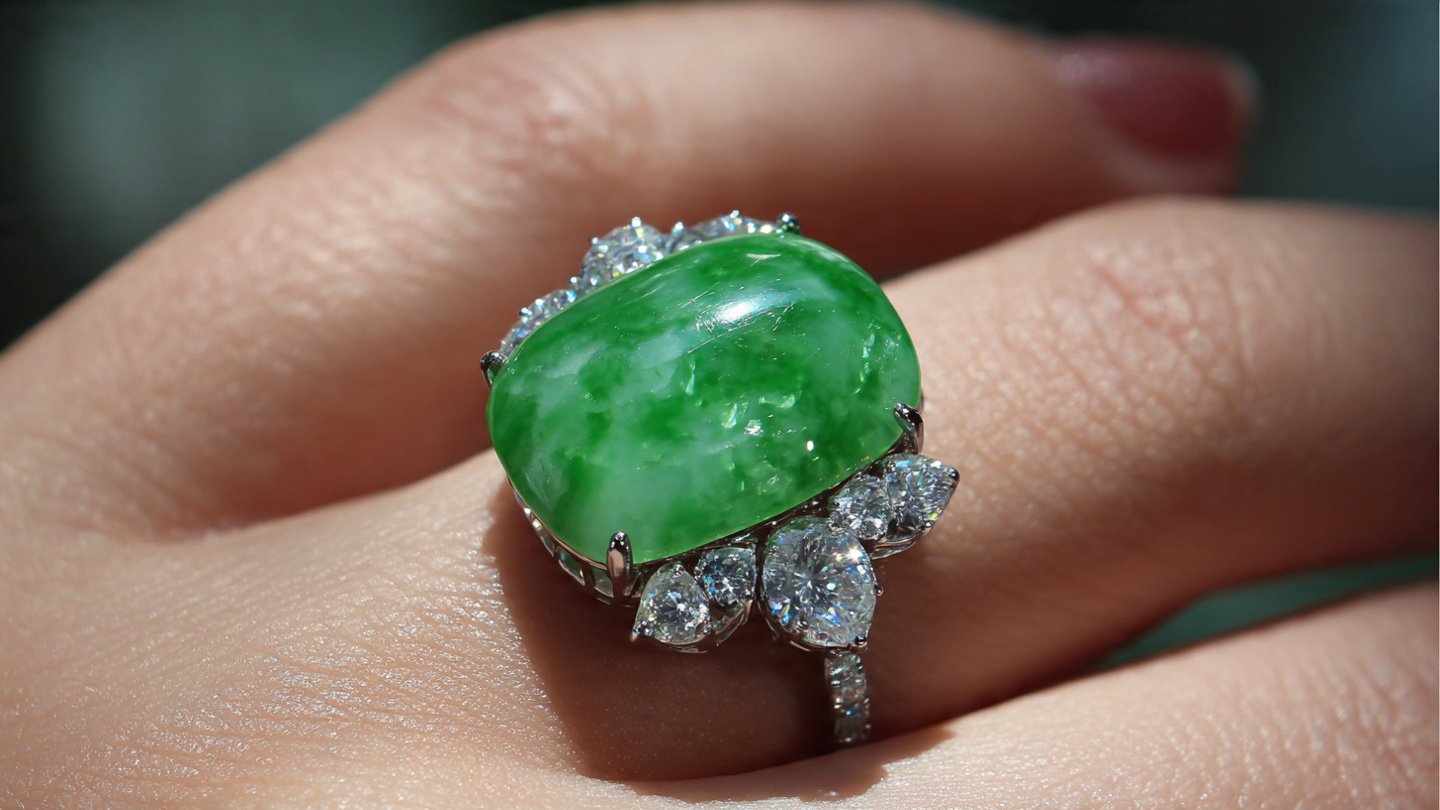
Choosing the perfect jade for your jewelry can feel overwhelming with so many shades available. You’ve probably wondered which color holds more value, looks better with your skin tone, or carries deeper meaning. The truth is, the “best” jade color depends on what matters most to you, whether that’s investment value, cultural significance, or personal style.
In this comprehensive guide, we’ll explore every shade of jade worth knowing about, from the coveted Imperial green to the soothing lavender varieties. You’ll discover how to spot quality, understand pricing differences, and make confident choices whether you’re buying your first jade bracelet or adding to a cherished collection.
Understanding Jade: Two Stones, Endless Colors
Before diving into specific colors, let’s clear up a common confusion. What we call “jade” actually refers to two distinct minerals: jadeite and nephrite. Both are beautiful and durable, but they differ significantly in rarity and value.
Jadeite is the rarer and more valuable of the two. It’s found primarily in Myanmar (Burma), Guatemala, and Japan. This is the jade that commands premium prices and includes the highly sought-after Imperial green variety.
Nephrite, while less valuable, is still a beautiful stone with its own loyal following. It’s more abundant and found in China, New Zealand, Canada, and Russia. Nephrite tends to come in more muted tones, particularly in the green and white spectrum.
Both types can appear in various colors depending on the trace minerals present during formation. Iron creates green hues, chromium produces the vibrant emerald shades, and manganese results in lavender tones.
Imperial Green: The Crown Jewel of Jade Colors
When most people picture jade, they imagine the rich, emerald-like green known as Imperial jade. This vivid, translucent green with excellent clarity represents the pinnacle of jade quality and commands the highest prices in the market.
Imperial green jadeite originated from Myanmar’s mines and has been treasured by Chinese royalty for centuries. The color should be an even, intense green throughout the stone without any brown or gray undertones. The best specimens possess a glass-like transparency that allows light to penetrate deeply into the stone.
What makes Imperial green so valuable? Several factors contribute to its premium status. First, genuine Imperial green is extremely rare. Second, the color must be completely natural, as treatments significantly reduce value. Third, the stone needs excellent translucency and fine texture to qualify for this top designation.
A high-quality Imperial green jade bangle can sell for hundreds of thousands or even millions of dollars at auction. For most buyers, even small pieces like pendants or rings represent significant investments, often starting at several thousand dollars for genuine, certified specimens.
When shopping for Imperial green, always request certification from reputable gemological laboratories. The GIA (Gemological Institute of America) and other recognized institutions can verify authenticity and confirm the jade hasn’t been treated or enhanced.
Apple Green: Fresh and Affordable Excellence
Apple green jade offers a lighter, more accessible alternative to Imperial green while still delivering beautiful color and good value. This shade resembles the bright, fresh green of a Granny Smith apple, hence its name.
This variety appeals to buyers who love green jade but prefer a softer, less intense color. Apple green works wonderfully in modern jewelry designs and complements a wide range of skin tones. The lighter color also makes inclusions and texture variations less noticeable compared to darker varieties.
In terms of pricing, apple green falls into the mid-to-upper range. While not as expensive as Imperial green, quality apple green jadeite still commands respect in the market. Expect to pay anywhere from a few hundred to several thousand dollars depending on size, translucency, and overall quality.
Look for apple green jade with even color distribution and good translucency. The stone should have a lively appearance when held up to light, and the green should look vibrant rather than washed out or grayish.
Lavender Jade: Elegant and Increasingly Popular
Lavender jade has surged in popularity over the past few decades, and it’s easy to understand why. This purple-to-violet variety offers a sophisticated alternative to green jade, with shades ranging from pale lilac to deep violet.
The finest lavender jade displays an even, medium-toned purple with good translucency. The color comes from trace amounts of manganese in the crystal structure. High-quality lavender jade should have a pure purple tone without brown or gray modifiers.
Traditionally, lavender jade wasn’t as highly valued as green varieties. However, changing tastes and limited supply of top-quality material have driven prices upward. Today, exceptional lavender jade can rival apple green in value, and the finest specimens approach Imperial green territory.
This color particularly suits modern, minimalist jewelry designs. Lavender jade creates stunning contrast when set in white gold or platinum, and it pairs beautifully with diamonds. The color also complements fair to medium skin tones exceptionally well.
When evaluating lavender jade, pay attention to color intensity and distribution. The best pieces show consistent color throughout without white or green patches. Some translucency is desirable, as completely opaque lavender jade has less value.
White Jade: Classic Purity and Understated Beauty
White jade represents purity and innocence in Chinese culture and has been treasured for thousands of years. This variety can range from creamy white to pure snow white, sometimes with subtle green or gray undertones.
Most white jade in the market is nephrite rather than jadeite. Chinese nephrite, particularly from Hetian in Xinjiang province, has been highly prized for over 7,000 years. The best Hetian jade displays a pure white color with a soft, mutton-fat-like luster, hence its nickname “mutton-fat jade.”
White jadeite exists but is less common than nephrite. High-quality white jadeite should show good translucency and a clean, bright appearance. Any yellowish tint reduces value, as does visible graining or cloudiness.
White jade offers excellent value compared to colored varieties. While top-grade mutton-fat nephrite can be expensive, most white jade pieces are quite affordable, making this an excellent choice for beginners or those seeking larger pieces within a budget.
This color works beautifully in traditional Chinese jewelry designs and carved objects. White jade also serves as an excellent canvas for intricate carving, as the uniform color allows the craftsmanship to take center stage.
Yellow and Brown Jade: Warm Earth Tones
Yellow jade, ranging from honey gold to deep amber, offers warmth and richness. This color occurs naturally in both jadeite and nephrite, though quality varies widely.
The finest yellow jade displays an even, saturated color reminiscent of pure honey. The stone should have good translucency and a smooth texture. Brownish-yellow or orange-yellow varieties are less valuable than pure, bright yellow specimens.
Brown jade often carries negative associations because brown tones in green jade indicate impurities or lower quality. However, pure brown jade in chocolate or coffee tones has developed its own following, particularly in designer jewelry where unique colors are valued.
Yellow and brown jade generally fall in the moderate price range. They cost less than premium green or lavender but more than most white varieties. This makes them attractive options for those seeking something different without breaking the bank.
These earth tones pair well with yellow gold settings and create warm, classic jewelry pieces. They’re particularly popular in men’s jewelry, including rings, cufflinks, and pendants.
Red Jade: Rare and Symbolic
Red jade holds special significance in Chinese culture, symbolizing luck, passion, and vitality. Natural red jade is exceptionally rare, making it highly prized among collectors.
True red jadeite gets its color from iron oxide and ranges from orange-red to deep crimson. The finest specimens display an even, vibrant red with good translucency. Unfortunately, many “red jade” pieces on the market have been heat-treated or dyed to achieve the color.
Because natural red jade is so scarce, prices can be very high for certified, untreated specimens. Always insist on proper documentation when purchasing red jade, as the market contains many enhanced or fake pieces.
Red jade works beautifully in statement jewelry and pairs particularly well with yellow gold. The bold color makes even small pieces visually striking.
Black Jade: Modern Sophistication
Black jade offers a contemporary aesthetic that appeals to modern jewelry lovers. This variety, almost always nephrite, ranges from deep charcoal to pure black.
The best black jade displays a uniform, intense color without green or brown patches. The stone should have a smooth, fine texture and may show slight translucency when held to strong light, appearing very dark green rather than truly opaque black.
Black jade is relatively affordable compared to other varieties, making it accessible to most buyers. Its neutral color works with any outfit and suits any gender, contributing to its growing popularity.
This variety excels in modern, minimalist designs. It looks particularly striking when set in silver, white gold, or platinum, creating a sophisticated, contemporary appearance.
Multicolor and Bi-Color Jade: Nature’s Artistry
Some jade stones naturally display multiple colors, creating unique, one-of-a-kind pieces. These can include combinations like green and white, purple and green, or yellow and white.
The value of multicolor jade depends on several factors. If both colors are desirable (like green and lavender), the piece may command premium prices. However, if one color is considered less desirable, it might reduce the overall value.
Skilled artisans can take advantage of multiple colors in carving, using different areas for different parts of the design. This enhances both the artistic and monetary value of the piece.
Multicolor jade offers unique possibilities for creative jewelry design. Each piece is truly one-of-a-kind, appealing to those who value individuality in their jewelry collection.
How Color Affects Jade Value
Understanding how color influences jade pricing helps you make informed purchases and potentially better investments. Several factors beyond the basic hue affect value.
Color saturation matters tremendously. More vivid, saturated colors generally command higher prices than pale or washed-out tones. However, the color must look natural, not artificially enhanced.
Color distribution also plays a crucial role. Even, consistent color throughout a piece is more valuable than patchy or irregular coloring. Some variation can add character to carved pieces, but jewelry-quality jade should show uniform color.
Color purity refers to how clean the color appears. A pure green without brown or gray modifiers is more valuable than muddy or mixed tones. Similarly, pure lavender commands more than grayish-purple.
Remember that personal preference should guide your choice alongside investment considerations. The “best” color for you is the one that speaks to your aesthetic sensibilities and fits your budget.
Matching Jade Color to Skin Tone
Choosing jade that complements your skin tone ensures your jewelry looks stunning when worn. Here are some general guidelines.
Fair skin tones look beautiful with lavender jade, light apple green, and white jade. These colors provide soft contrast without overwhelming pale complexions. Avoid very dark or intense greens, which might look too harsh.
Medium skin tones can wear almost any jade color successfully. Imperial green, apple green, yellow jade, and lavender all work well. This versatility gives medium skin tones the most options when selecting jade jewelry.
Olive skin tones are complemented by rich greens, including Imperial green and darker apple green. White jade and lavender also create beautiful contrast. Warm-toned jade like yellow can enhance the natural warmth in olive complexions.
Deep skin tones look magnificent with vibrant, saturated colors. Imperial green, intense lavender, and even red jade create striking appearances. White jade provides elegant contrast, while pale colors might get lost against darker skin.
Your file is almost ready
Please wait 15 seconds to unlock the secure download button.
These are guidelines, not rules. Try different colors and trust your eye. The jade that makes you feel confident and beautiful is the right choice.
Spotting Quality Regardless of Color
Regardless of which color attracts you, certain quality indicators apply to all jade varieties.
Translucency ranks among the most important factors. Hold the jade up to light. Quality jade allows light to penetrate, creating an inner glow. Completely opaque jade (except intentionally opaque varieties like some black jade) indicates lower quality.
Texture should be smooth and fine-grained. Look closely at the surface. Can you see individual crystal grains? Coarser texture generally means lower quality and value. The finest jade has an almost glass-like appearance.
Check for cracks, fractures, or inclusions. While some inclusions occur naturally, excessive flaws reduce both beauty and value. Run your finger over the surface; it should feel completely smooth, not rough or pitted.
Sound can indicate quality too. When two jade bangles tap together, they should produce a clear, musical tone. A dull thud suggests lower quality or possible treatment.
Color should look natural, not artificially bright or unnaturally uniform. Treated jade often displays suspicious perfection or colors that seem too good to be true.
Treatment and Enhancement: What You Need to Know
Understanding jade treatments helps you make informed purchases and avoid overpaying for enhanced stones.
Type A jade is completely natural and untreated. This represents the highest quality and commands premium prices. Certification should confirm Type A status for expensive purchases.
Type B jade has been chemically treated to remove impurities and enhance color. Acid washing removes brown stains, then polymer resin fills the resulting cavities. This treatment makes jade look better initially but reduces durability and value significantly.
Type C jade has been artificially dyed to improve or change color. This treatment is considered the least desirable and offers minimal long-term value.
Type B+C jade has undergone both chemical bleaching and dyeing. This combination treatment is common in lower-quality jade but should be clearly disclosed and priced accordingly.
Always ask sellers about treatments. Reputable dealers will provide honest information and documentation. If someone guarantees “natural jade” at suspiciously low prices, be skeptical.
Cultural Significance of Different Jade Colors
Jade colors carry deep cultural meanings, particularly in Chinese tradition. Understanding these associations can add meaning to your jewelry choices.
Green jade symbolizes growth, harmony, and renewal. It’s believed to attract good fortune and promote balance in life. Green jade has been associated with heaven and earth, making it especially auspicious.
White jade represents purity, innocence, and clarity of mind. Confucian scholars valued white jade for its association with virtue and moral excellence.
Lavender jade embodies spiritual awareness, healing, and emotional balance. It’s thought to promote calmness and relieve stress.
Yellow jade signifies joy, happiness, and energy. It’s associated with earth energy in Chinese philosophy and believed to attract prosperity.
Red jade represents passion, courage, and vitality. It’s thought to bring luck in love and strengthen life force energy.
Black jade offers protection and wards off negative energy. It’s associated with grounding and creating emotional boundaries.
Whether you believe in these properties or simply appreciate the cultural heritage, understanding symbolism adds depth to your jade jewelry.
Investment Potential of Different Jade Colors
If you’re considering jade as an investment, color significantly impacts potential returns.
Imperial green jadeite represents the blue-chip investment of the jade world. Top-quality pieces have consistently appreciated over decades. However, entry prices are extremely high, limiting accessibility.
Lavender jade has shown strong appreciation in recent years as supply tightens and demand increases. This color may offer good investment potential for those who can’t afford Imperial green.
Apple green and fine yellow jade maintain steady value and offer more accessible entry points. While appreciation may be slower, these colors represent solid, stable investments.
White jade investment potential depends heavily on type. Top-grade Hetian nephrite holds value well, while common white jade appreciates slowly if at all.
Treated jade (Types B and C) has minimal investment value. Only purchase these if you simply like the appearance and don’t expect appreciation.
Remember that jade investment requires expertise. Work with reputable dealers, insist on certification, and buy the highest quality you can afford rather than larger quantities of lower-quality material.
Making Your Final Decision
Choosing the best jade color for your jewelry ultimately comes down to balancing several factors.
Consider your budget realistically. Don’t stretch too far for prestige colors if it means compromising quality. A high-quality apple green piece outshines a poor-quality Imperial green.
Think about wearability. Will the color suit your wardrobe and lifestyle? A vibrant green might sit unworn if it doesn’t match your style, while a versatile white jade gets frequent use.
Evaluate your purpose. Buying for investment? Focus on certified, top-quality green jadeite. Purchasing for daily wear? Choose colors and pieces you genuinely love.
Trust your instincts. If a piece speaks to you, that matters more than following trends or conventional wisdom. Jade is deeply personal jewelry that should bring you joy.
Don’t rush. Take time to compare different colors, qualities, and price points. Visit multiple dealers, handle various pieces, and educate yourself before committing to expensive purchases.
Care Tips for Jade Jewelry
Proper care preserves jade beauty and value regardless of color.
Clean jade gently using warm water and mild soap. Avoid harsh chemicals, ultrasonic cleaners, and steam cleaning, which can damage treated jade or loosen settings.
Store jade separately from harder gemstones like diamonds that could scratch it. While jade is tough, it can still be damaged by impact or abrasion.
Remove jade jewelry during vigorous activities, especially if you’re wearing bangles. Jade is tough but not indestructible, and sudden impacts can cause fractures.
Avoid exposing jade to extreme temperatures or prolonged sun exposure, which can affect color and stability, particularly in treated stones.
Have valuable pieces professionally inspected periodically. Settings can loosen over time, and early detection prevents loss or damage.
Where to Buy Quality Jade
Finding reputable jade sellers ensures you get what you pay for.
Established jewelry stores with gemological credentials offer security for expensive purchases. They typically provide proper documentation and guarantee authenticity.
Specialized jade dealers often have deeper expertise and better selection than general jewelers. Look for dealers who provide education and certification rather than just making sales.
Reputable online platforms can work for jade purchases if sellers provide detailed images, certification, and generous return policies. However, seeing jade in person is ideal, especially for expensive pieces.
Auction houses handle high-end jade, particularly antique pieces. These venues suit serious collectors and investors but require substantial knowledge or expert advisors.
Avoid tourist markets and street vendors for expensive jade purchases. While bargains exist, the risk of buying treated, fake, or misrepresented jade is high without expertise.
Conclusion
The best jade color for jewelry depends entirely on your personal preferences, budget, and intended use. Imperial green reigns supreme for investment and prestige, but lavender, apple green, yellow, and white jade all offer beauty and value in their own right.
Focus on quality indicators like translucency, texture, and color purity regardless of which hue attracts you. Always verify authenticity through reputable certification, especially for expensive purchases. Remember that treated jade has its place as affordable fashion jewelry but shouldn’t be confused with natural, investment-grade material.
Whether you choose the regal elegance of Imperial green, the soft sophistication of lavender, or the classic purity of white jade, let your choice reflect your personal style and values. The jade that makes you feel joy when you wear it is ultimately the best jade for you.
Take your time, educate yourself, and work with knowledgeable, reputable dealers. Your perfect jade jewelry awaits, ready to become a cherished part of your collection for years to come.
What’s your favorite jade color? Share your thoughts in the comments below! If you found this guide helpful, share it with fellow jade enthusiasts who might benefit from this information.


