

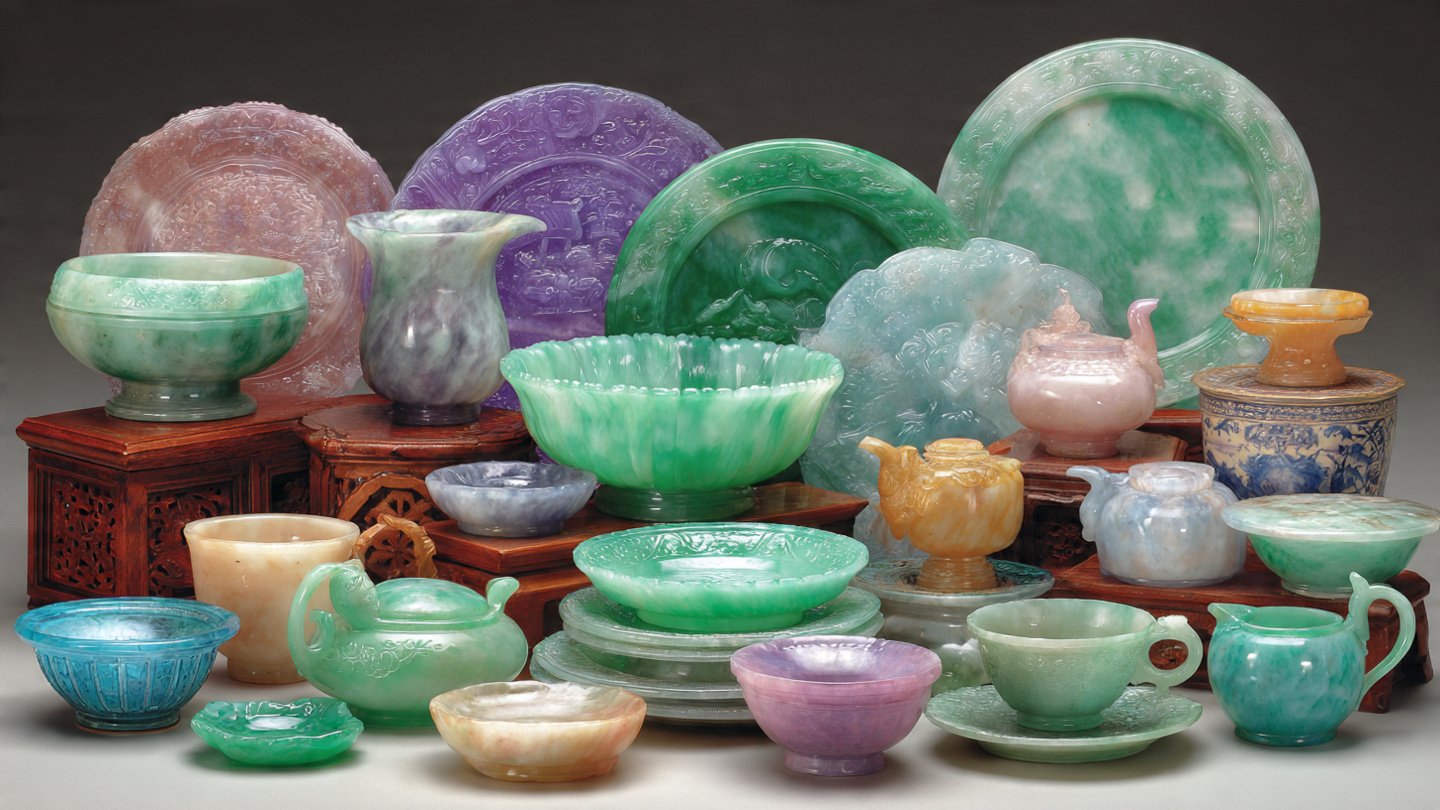
When most people hear “jadeite,” they think of the precious green gemstone. But there’s another world of jadeite that has captivated collectors for decades—antique jadeite dishes and vintage jadeite kitchenware. This opaque, mint-green glass, primarily produced in America from the 1930s to 1970s, has become one of the most sought-after collectibles in the vintage market. Let’s explore the fascinating world of antique jadeite, from identifying authentic vintage jadeite glass to understanding what makes rare jadeite pieces so valuable.
What Is Antique Jadeite? Understanding Vintage Jadeite Glass
Antique jadeite refers to a type of opaque glass produced primarily in the mid-20th century. Despite sharing the name with the precious jade gemstone, vintage jadeite glass has no relationship to the mineral—it’s pure glass colored to resemble jade’s distinctive green hue.
The Origins of Vintage Jadeite Glass
Vintage jadeite glass emerged during the Depression era when American glass manufacturers sought affordable yet attractive dinnerware options. The distinctive milky green color was achieved by adding uranium oxide or other compounds to molten glass, creating the opaque appearance we recognize today.
Key Production Period: 1930s-1970s (prime era for collectible pieces)
Primary Manufacturers: Anchor Hocking, McKee Glass Company, Jeannette Glass Company, and Fire-King
Original Purpose: Everyday dishware for American households
Popular Era: Depression and Post-War periods when affordable, durable kitchenware was essential
The term “jadeite” was chosen purely for marketing—the soft green glass resembled the precious jade stone, lending an air of elegance to affordable everyday dishes.
Major Producers of Antique Jadeite Dishes
Understanding vintage jadeite glass manufacturers helps collectors identify and value their jadeite pieces.
Fire-King Jadeite (Anchor Hocking)
Fire-King, produced by Anchor Hocking Glass Corporation, represents the most recognized and collected antique jadeite brand.
Production Period: 1940s-1970s
Signature Characteristics:
- Consistent, vibrant jade-green color
- Excellent opacity
- Heat-resistant formula
- Wide range of patterns and shapes
Popular Fire-King Patterns:
- Jane Ray: Ribbed edge design, extremely popular
- Shell: Scalloped edges with shell motif
- Alice: Simple, elegant design
- Restaurant Ware: Heavy-duty pieces for commercial use
- Swirl: Distinctive swirled pattern
Fire-King vintage jadeite kitchenware included everything from coffee mugs to mixing bowls, making it the cornerstone of many collections.
McKee Glass Company
McKee produced some of the earliest and most collectible antique jadeite pieces.
Production Period: 1930s-1950s
Notable Features:
- Slightly different green shade (often lighter than Fire-King)
- Kitchen utility items
- Excellent quality and durability
Collectible McKee Items:
- Skokie Green line (McKee’s jadeite color name)
- Mixing bowls
- Canisters and storage containers
- Measuring cups
- Salt and pepper shakers
McKee’s vintage jadeite glass often features subtle variations in color, making pieces easily identifiable to experienced collectors.
Jeannette Glass Company
Jeannette produced antique jadeite during the Depression era and beyond.
Production Period: 1930s-1980s
Distinctive Features:
- Wide variety of patterns
- Some pieces with decorative elements
- Range of green shades
Notable Patterns:
- Shell Pink and Jadeite combinations
- Adam pattern in jadeite
- Various kitchen accessories
Jeannette’s jadeite pieces often appear lighter or slightly different in tone compared to Fire-King’s consistent green.
Other Manufacturers
Several other companies produced vintage jadeite glass:
Fenton Glass: Created limited jadeite pieces, often with decorative elements
Westmoreland Glass: Produced some jadeite items in later periods
Imperial Glass: Made reproduction pieces (important to distinguish from true antiques)
Identifying Authentic Antique Jadeite: Jadeite Markings and Features
Distinguishing genuine antique jadeite from reproductions requires understanding jadeite markings and authentic characteristics.
Common Jadeite Markings
Many antique jadeite dishes bear manufacturer markings, though not all pieces were marked:
Fire-King Markings:
- “Fire-King” stamp (various styles across decades)
- “Anchor Hocking” mark
- Oven-proof symbol
- Pattern names (Jane Ray, Shell, etc.)
McKee Markings:
- “McK” mark
- “McKee” in script or block letters
- Some pieces marked “Skokie Green”
Jeannette Markings:
- “Jeannette” stamp
- Pattern names
- Some pieces unmarked
Important Note: Many authentic antique jadeite pieces have no markings at all. Absence of jadeite markings doesn’t necessarily mean a piece isn’t genuine—many everyday items were never marked.
Identifying Features of Vintage Jadeite Glass
Beyond markings, several characteristics help identify authentic antique jadeite:
Color Consistency: Genuine vintage jadeite glass shows consistent color throughout, though different manufacturers used slightly different shades. Fire-King typically shows the most vibrant, uniform green.
Opacity: Authentic antique jadeite is fully opaque—you cannot see through it even when held to light. Some reproductions appear slightly translucent.
Weight: Original vintage jadeite kitchenware feels substantial and heavy compared to modern glass. The thickness and weight indicate quality manufacturing.
Seam Lines: Older jadeite pieces often show subtle mold seams where glass halves joined during production. These should be minimal and well-finished.
Wear Patterns: Genuine antique jadeite dishes show appropriate age-related wear—utensil marks on plates, slight dulling on frequently used surfaces, but no major chips or cracks in well-preserved pieces.
Glow Under Blacklight: Many vintage jadeite glass pieces (especially those containing uranium oxide) glow yellow-green under ultraviolet (blacklight). However, not all authentic pieces contain uranium, so this isn’t definitive.
Red Flags for Reproductions
Modern reproductions flood the market. Watch for these warning signs:
Too Perfect: Pristine condition with zero wear suggests modern manufacturing
Wrong Color: Reproductions often show color variations—too bright, too light, or inconsistent tones
Poor Opacity: Can see light through the glass when held up
Lightweight Feel: Modern glass often feels lighter and thinner
Incorrect Markings: Fake or incorrect manufacturer marks
Modern Patterns: Designs that didn’t exist in the original production era
Made in China: Many reproductions are manufactured overseas and may have “Made in China” stamps
Popular Antique Jadeite Dishes and Forms
Vintage jadeite kitchenware came in numerous forms, each with its own collectibility and value.
Antique Jadeite Dishes for Dining
Plates: Various sizes from bread plates to dinner plates
Bowls: Cereal bowls, soup bowls, and serving bowls
Cups and Saucers: Coffee cups, teacups with matching saucers
Platters: Serving pieces in multiple sizes
Divided Dishes: Plates with sections, popular in the 1950s-60s
Fire-King Jane Ray and Shell patterns represent the most collected antique jadeite dishes in this category.
Vintage Jadeite Kitchenware
Mixing Bowls: Available in nesting sets, highly collectible
Canisters: For flour, sugar, coffee, and tea storage
Measuring Cups: Often marked with measurements
Salt and Pepper Shakers: Various designs, some with original lids
Butter Dishes: Covered dishes, often with decorative patterns
Refrigerator Dishes: Stackable storage containers with lids
Grease Jars: With strainer lids for storing cooking grease
Range Sets: Matching salt, pepper, and grease containers designed to sit on stovetops
Rare Jadeite Pieces
Certain antique jadeite items command premium prices due to rarity:
Restaurant Ware:
- Heavy-duty commercial pieces
- Often thicker and more durable
- “G” prefix (G-200 series, etc.) in Fire-King restaurant ware
- Large serving pieces
Specialty Items:
- Cookie jars (extremely rare in jadeite)
- Pitchers and carafes
- Lamp bases
- Vases and decorative pieces
- Children’s dishes and tea sets
Complete Sets:
- Full dinnerware services
- Complete range sets with all pieces
- Matching canister sets with all sizes
Unusual Colors:
- Darker “forest green” jadeite
- Two-tone pieces
- Experimental colors
These rare jadeite pieces often sell for hundreds or even thousands of dollars at auction.
Collecting Antique Jadeite: Value and Pricing
The vintage jadeite glass market has grown substantially, with some jadeite pieces commanding impressive prices.
Factors Affecting Value
Condition: Pristine pieces without chips, cracks, or excessive wear are most valuable
Rarity: Uncommon patterns, forms, or manufacturers increase value
Completeness: Sets with all pieces intact command premiums
Pattern: Popular patterns like Jane Ray and Shell are highly sought
Your file is almost ready
Please wait 15 seconds to unlock the secure download button.
Manufacturer: Fire-King typically brings highest prices
Age: Earlier pieces (1930s-1940s) often more valuable than later production
Original Lids: Pieces with original matching lids (canisters, butter dishes) worth more
Current Market Prices for Antique Jadeite
Prices vary widely based on the factors above. Here are general ranges:
Common Jadeite Pieces:
- Plates: $8-$25 each
- Bowls: $10-$30 each
- Cups and Saucers: $15-$40 per set
- Standard mixing bowls: $20-$60 each
Mid-Range Vintage Jadeite Kitchenware:
- Jane Ray dinnerware pieces: $15-$50 each
- Shell pattern dishes: $20-$60 each
- Salt and pepper shakers: $25-$75 per pair
- Measuring cups: $30-$80 each
- Butter dishes with lids: $40-$100
Rare Jadeite and Premium Pieces:
- Restaurant ware: $50-$200+ per piece
- Complete canister sets: $200-$500+
- Large mixing bowl sets: $150-$400+
- Cookie jars: $300-$800+
- Complete dinnerware services: $500-$2,000+
Museum-Quality or Extremely Rare:
- Unique experimental pieces: $500-$3,000+
- Complete mint-condition vintage services: $2,000-$5,000+
Prices continue rising as collectors compete for the best vintage jadeite glass examples.
Where to Find Antique Jadeite
Building a collection requires knowing where to look for authentic jadeite pieces.
Best Sources for Vintage Jadeite Glass
Estate Sales: Often yield excellent finds at reasonable prices, especially from homes of elderly owners who used these items daily
Antique Stores: Dealers specializing in vintage kitchenware often stock antique jadeite dishes
Flea Markets and Antique Malls: Can find bargains, but require knowledge to spot authentic pieces among reproductions
Online Marketplaces:
- eBay (large selection but beware reproductions)
- Etsy (many vintage dealers)
- Ruby Lane (higher-end antiques)
- Facebook Marketplace and groups
Auctions: Both online and in-person auctions feature vintage jadeite kitchenware
Specialty Vintage Shows: Depression glass and vintage kitchenware shows often feature quality jadeite pieces
Thrift Stores: Occasionally lucky finds, though increasingly rare as collectors snap up pieces
Tips for Buying Antique Jadeite
Educate Yourself: Study authentic pieces, learn jadeite markings, understand different manufacturers
Inspect Carefully: Check for chips, cracks, and repairs. Examine color and opacity closely
Ask Questions: Reputable sellers should answer questions about age, condition, and authenticity
Request Multiple Photos: When buying online, ask for detailed images including marks, any flaws, and photos in natural light
Know Reproduction Patterns: Familiarize yourself with which patterns are being reproduced
Start Small: Begin with affordable common pieces to learn before investing in rare jadeite
Join Collector Communities: Online forums and groups share knowledge about identifying authentic vintage jadeite glass
Caring for Your Antique Jadeite Collection
Proper care preserves both beauty and value of vintage jadeite kitchenware.
Cleaning Antique Jadeite Dishes
Regular Cleaning:
- Hand wash with mild dish soap and warm water
- Use soft sponges—never abrasive scrubbers
- Dry thoroughly with soft cloths
- Avoid harsh chemicals or bleach
Removing Stains:
- Soak in warm soapy water for stubborn residue
- Baking soda paste for gentle scrubbing
- Denture tablets can help remove stains from interiors of cups and bowls
Dishwasher Use: While vintage jadeite glass was marketed as dishwasher-safe, hand washing better preserves antique pieces and prevents chips from dishwasher jostling.
Storage and Display
Stacking: Place paper towels or felt between stacked jadeite pieces to prevent scratching
Cabinet Storage: Store away from heavy items that could fall and cause damage
Display Cases: Glass-front cabinets beautifully showcase collections while protecting from dust and accidents
Avoid Direct Sunlight: Prolonged exposure may affect color over decades
Temperature: Keep away from extreme temperature changes that could cause thermal shock
Using vs. Displaying
Many collectors debate whether to use antique jadeite dishes or keep them purely for display.
Arguments for Use:
- These were functional items designed for daily use
- Using them honors their original purpose
- Provides joy in everyday life
Arguments Against Use:
- Risk of chips and breakage
- Wear reduces value
- Some pieces too rare or valuable to risk
Middle Ground: Many collectors use common jadeite pieces while displaying rare jadeite safely. Some reserve special pieces for occasional use rather than daily wear.
The Modern Revival: New Production and Reproductions
The popularity of antique jadeite has led to both legitimate new production and deceptive reproductions.
Legitimate Modern Jadeite
Several companies now produce new jadeite-colored glass:
Mosser Glass: Produces new jadeite glass items, clearly marked as new production
Fire-King Revival: Anchor Hocking has reissued some classic patterns in recent years
Martha Stewart Collection: Created jadeite-style pieces for modern kitchens
These legitimate new productions serve collectors who want the look without antique prices or those completing patterns with reproductions where originals are scarce.
Identifying Reproductions
Reproductions pretending to be antique jadeite flood the market:
Common Reproduction Sources: Many come from China, often sold online without clear disclosure they’re new
Identifying Reproductions:
- Color often brighter or inconsistent
- Glass feels lighter and thinner
- Too perfect without age-appropriate wear
- Wrong or fake markings
- Patterns that didn’t exist in vintage production
- Price too good to be true
Protection: Buy from reputable dealers, study authentic pieces, join collector groups that share reproduction alerts.
Building Your Antique Jadeite Collection
For those starting their vintage jadeite glass collection, strategic approaches ensure satisfaction and value.
Collection Strategies
Complete Pattern Sets: Focus on one pattern (like Jane Ray) and build complete service
Variety Approach: Collect different patterns and manufacturers to showcase diversity
Kitchen Utility Focus: Gather vintage jadeite kitchenware—mixing bowls, storage, utensils
Color Study: Some collectors focus on color variations across manufacturers
Era-Specific: Collect only Depression-era pieces or focus on specific decades
Museum Approach: Seek rare jadeite pieces and unusual forms regardless of pattern
Budget-Friendly Collecting
You don’t need thousands of dollars to enjoy collecting:
Start with Common Pieces: Basic Fire-King plates and bowls remain affordable
Mix and Match: Pieces don’t need to match perfectly for functional collections
Watch for Sales: Estate sales and flea markets offer better prices than antique stores
Be Patient: Wait for good deals rather than overpaying for common items
Join Swaps: Collector groups often trade or sell pieces at fair prices
Accept Minor Flaws: Pieces with tiny edge chips cost significantly less but still display beautifully
Why Collect Antique Jadeite?
The appeal of vintage jadeite glass extends beyond mere aesthetics.
Nostalgia: Connects to simpler times, childhood memories, grandmothers’ kitchens
Affordability: Compared to many antiques, entry-level jadeite pieces remain accessible
Beauty: The soft green color complements any décor style from vintage to modern
Functionality: Unlike many collectibles, vintage jadeite kitchenware can be used
History: Each piece represents American manufacturing heritage and social history
Community: Active collector groups provide camaraderie and knowledge sharing
Investment: Quality pieces appreciate over time, with some rare jadeite commanding serious money
Sustainability: Collecting and using vintage items is environmentally friendly
Conclusion: The Enduring Appeal of Vintage Jadeite
Antique jadeite represents more than colored glass—it embodies mid-century American life, when families gathered around dinner tables set with these cheerful green dishes. From common antique jadeite dishes found in thrift stores to rare jadeite pieces commanding premium prices at auction, vintage jadeite glass continues captivating collectors worldwide.
Whether you’re drawn to Fire-King’s Jane Ray pattern, seeking complete vintage jadeite kitchenware sets, or hunting for rare jadeite treasures, this collecting field offers something for everyone. Understanding jadeite markings, recognizing authentic pieces, and appreciating the history behind each item transforms casual interest into passionate collecting.
As you build your collection of jadeite pieces, remember that each dish, bowl, and cup tells a story of American manufacturing, family meals, and everyday beauty. That’s the magic of antique jadeite—it’s both functional art and tangible history, allowing us to literally hold pieces of the past while creating new memories today.


