

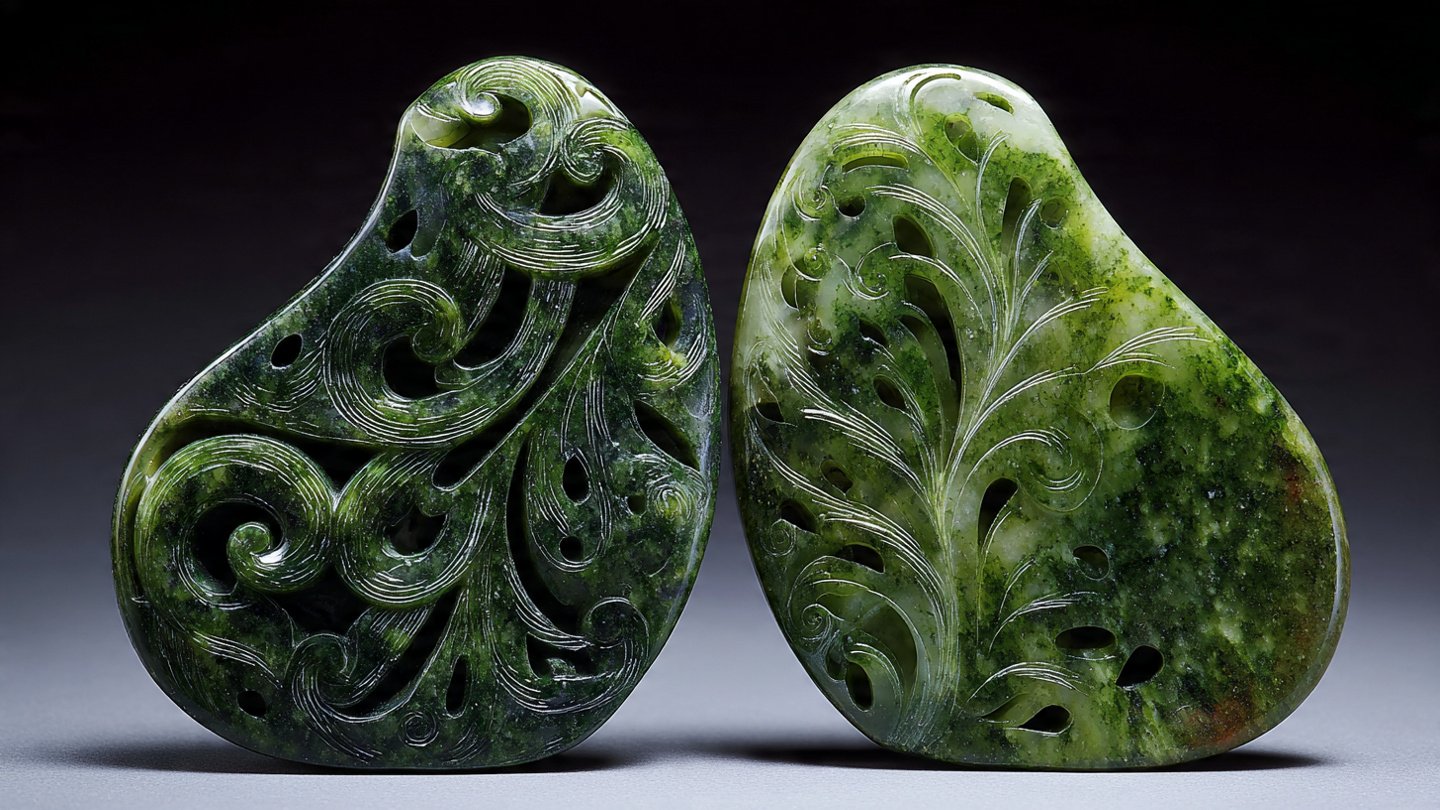
Understanding Pounamu: More Than Just a Stone
Have you ever held a piece of jewelry that felt like it carried centuries of stories? That’s exactly what New Zealand jade, known as pounamu, represents to the indigenous Māori people. This isn’t just another pretty gemstone you’d find in a tourist shop. Pounamu holds such profound significance that the entire South Island was originally named after it.
Let me take you on a journey through the cultural heartbeat of New Zealand, where green stone transcends its physical form to become a living connection between past, present, and future.
What Makes Pounamu Special?
Pounamu refers to several types of hard and durable stone found in New Zealand’s South Island, with nephrite jade being the most common. But here’s where it gets interesting. Unlike jade from other countries, pounamu exists nowhere else on Earth. It’s as exclusive to New Zealand as kangaroos are to Australia.
The stone forms deep beneath the earth’s surface, at depths exceeding 10 kilometers, where immense pressure and heat create this remarkable material over millions of years. Rivers and glaciers gradually reveal these hidden treasures, carrying them down from the mountains to riverbeds where they’ve been collected for centuries.
The Four Sacred Varieties
Māori culture recognizes four primary types of pounamu, each with distinct characteristics and spiritual meanings:
Kawakawa gets its name from the native kawakawa tree. This most common variety ranges from rich dark green to almost black, often featuring small dark inclusions. Think of it as the reliable workhorse of pounamu—strong, abundant, and perfect for carving.
Kahurangi stands as the rarest and most prized variety. This highly translucent stone displays vivid light green shades without spots or flaws. Its name literally means “person of high rank,” which tells you everything about its status. Traditional chiefs favored kahurangi for ceremonial adzes.
Īnanga takes its name from a native freshwater fish, commonly known as whitebait. This variety appears pearly-white or grey-green and ranges from translucent to opaque. It was historically the preferred choice for ornaments and mere (traditional weapons).
Tangiwai differs from the others—it’s actually bowenite, not nephrite jade, but Māori culture embraces it as pounamu. Clear as glass, it ranges from olive-green to bluish-green. The name translates to “tears that come from great sorrow,” rooted in a poignant legend we’ll explore shortly.
The Legend of Poutini and Waitaiki
Every culture has its creation stories, and pounamu’s origin tale is breathtakingly romantic yet tragic. Picture this: Poutini, a powerful taniwha (supernatural guardian), was swimming in the warm waters near Mayor Island when he spotted a beautiful woman named Waitaiki bathing in the sea.
Completely enchanted, Poutini did what any lovesick taniwha might do—he kidnapped her and fled southward. Waitaiki’s husband, the chief Tamaahua, wasn’t having any of it. He pursued them relentlessly across the North Island and down to the South Island.
Fearing capture but refusing to release Waitaiki, Poutini transformed her into pounamu and laid her in the Arahura River bed. When Tamaahua discovered his wife turned to stone, his grief was so profound that locals say you can still hear his cries echoing through the mountains.
This legend isn’t just a beautiful story. It maps the actual locations where pounamu is found today, with the richest deposits around the Arahura River—Waitaiki’s resting place. Poutini continues to swim along the West Coast as the guardian of pounamu, which is why the region is known as Te Tai Poutini (the shores of Poutini).
Why Pounamu Matters to Māori Culture
Now here’s where things get really meaningful. Pounamu plays a vital role in Māori culture and is regarded as taonga (treasure). But calling it a “treasure” barely scratches the surface of its significance.
The Economic Foundation
Before European contact, pounamu served as New Zealand’s version of currency and precious metal. Māori valued pounamu the same way Europeans valued gold. A 19th-century Māori chief named Te Otatu captured this sentiment perfectly when he said, “Let the gold be worked by the white men. My only treasure is the pounamu.”
The stone drove the entire Māori economy. At least fifteen trading routes crisscrossed New Zealand by the 1800s, all facilitating pounamu exchange. The Ngāi Tahu tribe, whose territory includes all the pounamu-bearing lands of the South Island, built their wealth and influence through controlling this precious resource.
Practical Applications
Forget about pounamu being just for jewelry—that came later. Originally, this stone was survival technology. With the tensile strength comparable to steel, pounamu held a sharp edge that made it indispensable for daily life.
Toki (adzes) crafted from pounamu could fell massive trees and carve intricate canoes. Whao (chisels) and gouges enabled the detailed woodwork that characterizes traditional Māori architecture and art. Even after European metal tools arrived, Māori craftspeople continued using pounamu tools, especially for culturally significant work.
Here’s something fascinating: when a large tool like an adze wore out, it wasn’t discarded. Instead, it was carefully reworked into smaller items like hei tiki pendants or earrings. Nothing was wasted. Each transformation added another layer of history and mana (spiritual power) to the stone.
Spiritual Significance
This is where pounamu transitions from impressive to truly extraordinary. The stone doesn’t just represent spiritual power—it accumulates it. Pounamu taonga increase in mana as they pass from one generation to another.
Think about that for a moment. Your grandmother’s pounamu pendant isn’t just an heirloom. It carries her mana, her experiences, her love. When passed to you, it becomes a physical connection to your ancestors, a tangible link in the chain of your family’s history.
This concept transforms how people interact with pounamu. You don’t just buy it casually. Traditional protocol suggests pounamu should be gifted rather than purchased for oneself, acknowledging that the stone itself is a gift from the land.
Traditional Pounamu Carvings and Their Meanings
Walk into any authentic New Zealand gallery, and you’ll see pounamu carved into various traditional forms. Each shape carries specific meaning, chosen intentionally to represent different qualities or connections.
Hei Matau (fish hook) symbolizes strength, prosperity, and safe travel over water. It reflects the Māori connection to Tangaroa, god of the sea, and the importance of fishing. Coastal communities particularly value this design.
Toki (adze) represents strength, determination, and courage. As both tool and weapon, the toki symbolizes the power to shape one’s environment and defend one’s people.
Koru (unfurling fern frond) embodies new life, growth, and peace. It’s particularly popular for gifts celebrating new beginnings—births, marriages, or fresh starts.
Hei Tiki stands as perhaps the most recognizable form. These stylized human figures represent ancestors and serve as powerful protective amulets. Traditional hei tiki are treasured family heirlooms passed down through generations.
Mere (club-shaped pendant) honors traditional Māori warriors and leaders. It signifies honor, power, and leadership qualities.
The Protected Status of Pounamu
In 1997, something remarkable happened. The New Zealand government recognized the unique relationship between pounamu and Ngāi Tahu people through the Pounamu Vesting Act. Ngāi Tahu became the legal kaitiaki (guardians) of all South Island greenstone.
This wasn’t just symbolic recognition—it came with serious responsibility. The tribe must ensure sustainable management of pounamu, protecting not just the stone but also the rivers it comes from, the artists who shape it, and the communities surrounding these precious resources.
Why This Matters
Here’s a sobering truth: significant quantities of jade products marketed as New Zealand greenstone are actually made using raw stone from overseas. Chinese, Canadian, or Australian jade gets carved in New Zealand and sold as “New Zealand greenstone” to unsuspecting tourists.
In response, Ngāi Tahu developed an authentication system. When you purchase authenticated pounamu, you’re getting the real deal—stone actually sourced from New Zealand rivers, with documented provenance. You’re also supporting sustainable practices and Māori communities.
Where Pounamu Comes From
The South Island wasn’t always called that. Its traditional Māori name is Te Wai Pounamu—literally “the waters of pounamu” or “the greenstone waters.” That tells you how central this stone is to the island’s identity.
The primary sources cluster in four spectacular regions:
The Arahura River near Hokitika holds legendary status as the most sacred and richest pounamu source. This is Waitaiki’s resting place from the legend, and the river has supplied thousands of tonnes of high-quality kawakawa pounamu.
The Taramakau River region, located between Hokitika and Greymouth, also yields excellent stone. Interestingly, gold miners often discovered pounamu boulders in the same areas where they searched for gold.
South Westland rivers, from the Jackson River to Big Bay, produce jade throughout some of New Zealand’s most remote and rugged terrain. Much of this area falls under National Park protection.
Milford Sound (Piopiotahi) contains significant bowenite deposits, particularly the translucent tangiwai variety found in Anita Bay.
These aren’t casual collecting spots. Fossicking (casual searching) for pounamu is only allowed in designated areas of the West Coast, and even then, you’re limited to what you can carry unaided. Outside these areas, collection is illegal without proper permission.
Modern Pounamu Traditions
Today’s pounamu culture beautifully blends ancient tradition with contemporary expression. Master carvers continue using time-honored techniques, but they’re also pushing boundaries with innovative designs that speak to modern Māori identity.
The gift-giving tradition remains strong. When someone receives pounamu, it’s understood that the stone has been “gifted” twice—first by the land, then by the giver. This double blessing amplifies its significance.
Many Māori families have stories about their pounamu pieces. A grandmother’s pendant worn at significant life events. A great-grandfather’s toki transformed into jewelry after his passing. These aren’t just pretty accessories—they’re family members, in a sense, carrying forward the stories and mana of ancestors.
Respecting the Tradition
If you’re considering purchasing or receiving pounamu, understanding its cultural significance enhances the experience. Here are some respectful approaches:
Your file is almost ready
Please wait 15 seconds to unlock the secure download button.
Research authentic sources. Support Māori carvers and businesses that work with authenticated stone. The slightly higher price reflects sustainable practices and cultural integrity.
Learn about the symbols. Choose designs that resonate with your own journey or values. Carvers can often help match you with appropriate forms.
Understand the spiritual aspect. Whether you personally believe in mana or not, respecting the cultural beliefs of the stone’s origin shows genuine appreciation for its heritage.
Care for your pounamu properly. The stone is porous and absorbs natural oils over time. Regular wearing actually benefits the stone, giving it a beautiful patina and, traditionally, imbuing it with your own mana.
The Global Appeal of Pounamu
New Zealand greenstone has captured international imagination, and for good reason. Beyond its undeniable beauty, pounamu represents something people worldwide crave—authentic connection to place, history, and culture.
Visitors to New Zealand often seek pounamu as more than a souvenir. Many acquire pounamu taonga as a tangible piece of the country’s rich heritage and as a reminder of their connection to Aotearoa.
The stone has even appeared in popular culture. The 2016 Disney film “Moana” featured a pounamu stone amulet as the heart of Te Fiti, introducing millions to this uniquely New Zealand treasure.
Comparing Pounamu to Other Jade Traditions
Interestingly, nephrite jade connects two cultures separated by vast oceans—Māori and Chinese. Both civilizations developed deep spiritual and cultural relationships with this material, though they discovered it independently.
Chinese jade traditions stretch back 8,000 years, while Māori have worked with pounamu for about 700 years. Yet the reverence both cultures show toward nephrite jade is remarkably similar. Both used it for tools, weapons, art, and spiritual objects.
In 2007, New Zealand’s Te Papa museum curated “Kura Pounamu,” showcasing 200 pounamu items alongside Chinese jade pieces. The exhibition highlighted how both cultures achieved extraordinary artistry with this challenging material.
However, there’s a crucial difference. Chinese tradition values vibrant, unblemished green jade most highly. Traditional Māori culture prized the darkest kawakawa variety for its density and suitability for tools. This practical foundation shaped aesthetic preferences—beauty emerged from functionality.
The Science Behind the Stone
Let’s geek out for a moment about what makes pounamu so special from a geological perspective.
Nephrite jade forms from interwoven fibrous crystals of calcium magnesium silicate. This structure gives pounamu its legendary toughness—it will actually bend slightly before breaking. Try that with most stones, and you’ll just get fragments.
The varying iron content in New Zealand nephrite creates the remarkable range of colors and translucency. More iron means deeper, richer greens. Less iron results in the lighter, silvery tones of īnanga.
Formation requires extreme conditions: depths over 10 kilometers, immense pressure, and high heat where rock becomes molten and mingles with surrounding minerals. The Alpine Fault running through New Zealand provided perfect conditions for this process over millions of years.
After formation, geological forces gradually brought pounamu closer to the surface. Rivers and glaciers then did the heavy lifting, eroding the mountains and revealing these treasures in riverbeds where they could be found.
Caring for Your Pounamu
Whether you own an authentic pounamu piece or are considering acquiring one, proper care ensures it remains beautiful for generations.
Regular wearing actually benefits pounamu. Your natural body oils keep it conditioned and gradually enhance its luster. This isn’t just practical—traditionally, this process represents the stone absorbing your mana.
Gentle cleaning with lukewarm water and a soft cloth is all pounamu needs. Avoid harsh chemicals or ultrasonic cleaners, which can damage the stone.
Storage should protect pounamu from scratching. While tough, pounamu can be scratched by harder materials. Keep it separate from diamonds or other hard gemstones.
Avoid temperature extremes. Particularly for īnanga varieties, rapid temperature changes can cause thermal shock. Don’t leave pounamu in hot cars or expose it to sudden cold.
Pounamu in Contemporary New Zealand
Today, pounamu continues evolving while honoring tradition. Contemporary Māori artists push creative boundaries, producing stunning pieces that speak to modern identity while respecting ancestral knowledge.
The stone appears everywhere in New Zealand culture—from formal ceremonial occasions to everyday jewelry. Politicians receive pounamu as diplomatic gifts. Sports teams commission pieces for significant achievements. Families pass down heirlooms that have witnessed generations of milestones.
Several organizations work to preserve and promote authentic pounamu culture. Ngāi Tahu Pounamu leads authentication efforts. Te Puia in Rotorua includes the New Zealand Māori Arts and Crafts Institute, where visitors can watch master carvers at work and learn about pounamu traditions.
Educational initiatives ensure younger generations understand pounamu’s significance. Schools throughout New Zealand incorporate pounamu history into their curricula, teaching children about this unique aspect of their national heritage.
The Future of Pounamu
Looking ahead, pounamu faces both opportunities and challenges. Growing international interest increases demand, but this must be balanced against sustainable sourcing and cultural integrity.
Climate change presents concerns. The rivers and ecosystems that produce and transport pounamu depend on stable weather patterns. Changing rainfall and glacier dynamics could affect how pounamu becomes accessible.
Authentication technology continues improving. Blockchain and other tracking systems may eventually provide even more robust verification of genuine New Zealand pounamu, protecting both buyers and the cultural heritage.
New carving techniques and tools allow artists to achieve effects impossible with traditional methods. Yet many carvers deliberately choose hand tools and traditional approaches, valuing the connection to ancestral practices over pure efficiency.
The key challenge lies in balancing accessibility with authenticity. How do you allow people worldwide to appreciate and acquire pounamu while ensuring the cultural and environmental integrity that makes it special?
Ngāi Tahu’s guardianship model offers one answer. By maintaining control over sourcing and authentication while engaging with the global market, they protect pounamu’s essence while sharing it appropriately.
Why Pounamu Matters Beyond New Zealand
In our globalized world, why should anyone care about a green stone from a small island nation? Because pounamu represents something increasingly rare—unbroken cultural continuity.
The same rivers that provided pounamu 700 years ago still produce it today. The same carving traditions, adapted but not abandoned, continue in contemporary hands. The same spiritual significance resonates through modern Māori communities.
This continuity offers lessons about sustainability, cultural preservation, and the relationship between people and place. Pounamu isn’t just extracted—it’s received as a gift from the land, creating a fundamentally different relationship than pure exploitation.
The concept of taonga—treasure that increases in value through use and transmission rather than hoarding—challenges our typical views of possession. Your grandmother’s pounamu is more precious than a pristine new piece precisely because it carries her history.
These ideas feel increasingly relevant as we grapple with environmental challenges and cultural erosion. Pounamu demonstrates that respecting tradition and embracing the modern world aren’t mutually exclusive.
Conclusion: The Living Legacy of Pounamu
New Zealand jade isn’t merely decorative stone or investment commodity. It’s a living thread connecting contemporary New Zealanders to their ancestors, their land, and each other. Each piece carries stories—some ancient, some forming right now as someone wears their pounamu through life’s journey.
For Māori, pounamu represents identity, heritage, and spiritual connection. For New Zealand as a nation, it symbolizes the unique relationship between indigenous culture and modern society. For the wider world, it offers a model of how communities can honor tradition while engaging with contemporary reality.
Whether you’re fortunate enough to own pounamu, aspire to acquire an authentic piece, or simply appreciate its cultural significance from afar, understanding its true meaning enriches the experience. This isn’t just pretty jewelry—it’s millennia of geological formation, centuries of cultural significance, and ongoing spiritual relevance compressed into beautiful green stone.
The next time you see pounamu, look closer. You’re not just seeing stone—you’re witnessing a culture’s heart, visible and tangible, passed from hand to hand and generation to generation. That’s the true cultural importance of New Zealand jade.
Have you experienced pounamu firsthand? Share your story in the comments below. If you found this article valuable, please share it with others who might appreciate learning about this remarkable cultural treasure. And if you’re planning to visit New Zealand, consider seeking out authentic pounamu experiences—the stories you’ll collect are as precious as the stone itself.


