

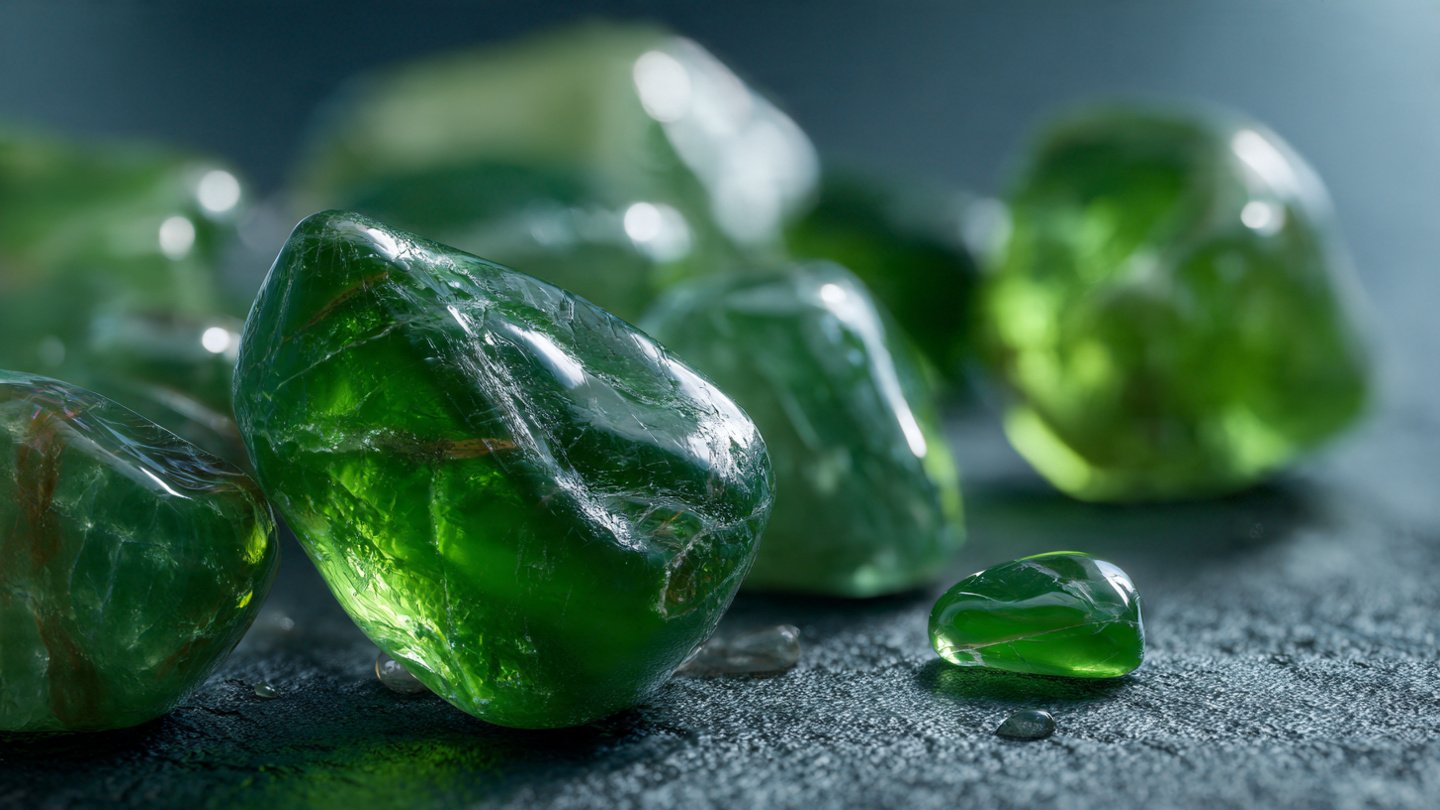
Jade is more than just a beautiful green stone. For thousands of years, this precious gemstone has been treasured across cultures, valued not just for its stunning appearance but for its deep spiritual significance and remarkable durability. From ancient Chinese emperors to modern jewelry enthusiasts, jade continues to captivate people worldwide.
But what exactly is jade? Why has it held such importance throughout history? And how is it used today? Let’s explore everything you need to know about this fascinating stone.
Understanding Jade: The Basics
Jade isn’t actually a single mineral. Surprisingly, the term “jade” refers to two distinct minerals: nephrite and jadeite. Both share similar appearances and properties, which is why they’re grouped under the same name.
Nephrite is the more common variety. It’s composed of calcium magnesium silicate and typically appears in shades of creamy white to dark green. This type of jade has been used for centuries, particularly in China and New Zealand.
Jadeite, on the other hand, is rarer and generally more valuable. Made of sodium aluminum silicate, jadeite comes in a wider color range including green, lavender, white, yellow, and even rare imperial jade, which displays an intense emerald-green color.
Both types rank between 6 and 7 on the Mohs hardness scale, making them durable enough for carving and jewelry. However, what truly sets jade apart is its toughness. The interlocking crystal structure makes jade incredibly resistant to breaking, which is why it was historically used for tools and weapons.
The Rich History of Jade Through Civilizations
Ancient China: The Stone of Heaven
In Chinese culture, jade holds unparalleled significance. For over 7,000 years, the Chinese have revered jade as the “Stone of Heaven.” Ancient Chinese philosophy considered jade more valuable than gold, believing it embodied the five virtues: wisdom, justice, compassion, modesty, and courage.
Emperors were buried in jade burial suits, constructed from thousands of small jade pieces sewn together with gold or silver thread. These suits were believed to preserve the body and ensure immortality in the afterlife.
The famous Jade Emperor, the supreme deity in Chinese folk religion, reflects how deeply jade permeated Chinese spiritual beliefs. Even today, jade remains central to Chinese culture, often given as gifts during significant life events.
Mesoamerican Civilizations: Sacred Green Stone
The Mayans and Aztecs also treasured jade, though they worked primarily with jadeite. In these cultures, jade symbolized life, fertility, and power. Mayan rulers wore elaborate jade jewelry and masks, and the stone played crucial roles in religious ceremonies.
Interestingly, Mesoamerican peoples valued green jade above all other materials, including gold. Archaeological discoveries have revealed stunning jade masks, ceremonial axes, and jewelry pieces that showcase their exceptional craftsmanship.
Maori Culture: The Treasured Pounamu
In New Zealand, the indigenous Maori people have a deep connection with nephrite jade, which they call “pounamu” or greenstone. For the Maori, pounamu is a taonga (treasure) with spiritual significance passed down through generations.
Traditional Maori jade carvings include the hei-tiki (human figure pendant), fish hooks, and ceremonial weapons. According to Maori tradition, pounamu should never be bought for oneself but received as a gift, which adds to its spiritual value.
The Meaning and Symbolism of Jade
Jade carries profound meanings across different cultures, though some themes remain universal.
Universal Symbolism
Harmony and Balance: Jade is believed to promote emotional equilibrium and inner peace. Many people wear jade when seeking to balance their energies or reduce stress.
Prosperity and Good Fortune: In Asian cultures especially, jade represents wealth and abundance. Business owners often display jade ornaments to attract success.
Protection: Throughout history, people have worn jade as a protective talisman against negative energies and physical harm.
Purity and Serenity: The smooth, cool touch of jade symbolizes clarity of mind and spiritual purity.
Color-Specific Meanings
While green remains the most recognized jade color, other hues carry unique symbolism:
- Green Jade: Growth, renewal, and abundance
- White Jade: Clarity, purity, and focus
- Lavender Jade: Spiritual awareness and emotional healing
- Yellow Jade: Joy, happiness, and optimism
- Black Jade: Protection and grounding energy
- Red Jade: Passion, vitality, and life force
Modern Uses of Jade
Jewelry and Personal Adornment
Jade jewelry remains incredibly popular worldwide. From simple jade bead bracelets to elaborate carved pendants, this gemstone suits both casual and formal styles.
High-quality jadeite jewelry, particularly pieces featuring imperial jade, can command prices exceeding diamonds at auction. In 2014, a rare jadeite bead necklace sold for over $27 million at Sotheby’s, setting a world record.
When purchasing jade jewelry, consider these tips:
- Check the authenticity: Request certification from reputable gemological laboratories
- Examine the color: Natural jade should have even, consistent coloring
- Look for transparency: Higher-quality jade allows light to pass through
- Feel the temperature: Real jade feels cool to the touch and warms slowly
- Listen to the sound: When tapped, genuine jade produces a musical, resonant tone
Decorative Arts and Sculpture
Jade carving is an ancient art form that continues today. Skilled artisans create everything from small figurines to massive sculptures. The Palace Museum in Beijing houses the largest jade carving in the world, a 5-ton piece depicting a mountain landscape.
Common jade carvings include:
- Dragon and phoenix motifs (Chinese culture)
- Buddha statues (Buddhist tradition)
- Abstract sculptures (modern art)
- Functional items like bowls and vases
- Decorative screens and panels
Wellness and Alternative Healing
In the wellness industry, jade has found renewed popularity. While scientific evidence remains limited, traditional practices and modern wellness enthusiasts use jade for various purposes:
Jade Rollers: These facial massage tools claim to reduce puffiness, improve circulation, and promote lymphatic drainage. While the benefits might partly come from the massage action itself, the cooling effect of jade can temporarily reduce facial inflammation.
Gua Sha Tools: Traditional Chinese medicine uses jade gua sha tools for facial massage and body treatments, believed to release tension and improve energy flow.
Meditation Practices: Many people hold jade stones during meditation, finding the cool, smooth surface calming and grounding.
Hot Stone Therapy: Some spas incorporate heated jade stones in massage treatments, as jade retains heat well and distributes it evenly.
Feng Shui Applications
In feng shui, the ancient Chinese practice of harmonizing energy in spaces, jade plays a significant role. Practitioners recommend placing jade objects in specific areas:
- Wealth corner (southeast): Jade brings abundance and prosperity
- Health area (east): Promotes physical well-being
- Relationship corner (southwest): Enhances harmony in partnerships
Popular feng shui jade items include jade plants (money trees), carved animals, and decorative bowls.
How to Identify Genuine Jade
With jade’s high value comes the unfortunate reality of imitations and treatments. Here’s how to spot authentic jade:
Professional Testing Methods
- Density Test: Genuine jadeite has a density of approximately 3.34 g/cm³, while nephrite measures about 2.95 g/cm³
- Refractive Index: Gemological laboratories use refractometers to verify jade’s optical properties
- Spectroscopy: Advanced testing can identify the mineral composition
- Microscopic Examination: Reveals the characteristic interlocking crystal structure
At-Home Checks
While not definitive, these simple tests can help:
- Temperature: Real jade remains cool to the touch longer than glass or plastic
- Sound Test: Tap two jade pieces together; genuine jade produces a clear, musical tone
- Scratch Test: Jade should resist scratches from metal objects (though this can damage the stone)
- Visual Inspection: Look for natural imperfections; perfectly uniform color might indicate treatment or imitation
Common Jade Imitations
Be aware of these materials often sold as jade:
- Serpentine: Similar appearance but softer
- Aventurine: Green quartz sometimes called “Indian jade”
- Chrysoprase: Another green stone often confused with jade
- Glass and Plastic: Low-quality imitations
- Dyed Quartz: Treated to resemble jade’s color
Caring for Your Jade
Proper care ensures your jade remains beautiful for generations.
Cleaning Guidelines
- Use mild soap and water: Avoid harsh chemicals or ultrasonic cleaners
- Soft cloth only: Gently wipe with a soft, lint-free cloth
- Avoid extreme temperatures: Don’t expose jade to sudden temperature changes
- Skip the steam: Steam cleaning can damage jade
Storage Tips
- Store jade separately from harder gemstones that might scratch it
- Wrap in soft cloth when not wearing
- Keep away from direct sunlight to prevent color fading (though genuine jade is quite stable)
- Avoid contact with perfumes, lotions, and cosmetics
Recharging and Energizing (Traditional Practices)
Many believe jade benefits from periodic energetic cleansing:
- Moonlight bath: Place jade under full moonlight overnight
- Running water: Hold under cool running water for several minutes
- Smudging: Pass through sage or palo santo smoke
- Earth burial: Bury in earth overnight to reconnect with natural energies
Buying Jade: What You Should Know
Quality Factors
The value of jade depends on several factors:
Color: Vivid, evenly distributed color commands higher prices. Imperial jade, with its intense emerald green, is most valuable.
Transparency: More translucent jade is generally more valuable than opaque pieces.
Texture: Fine-grained, smooth texture indicates quality.
Clarity: Fewer inclusions and blemishes increase value.
Craftsmanship: For carved pieces, skill and detail significantly impact price.
Treatment Disclosure
Jade treatments are common but should always be disclosed:
- Type A: Natural, untreated jade (most valuable)
- Type B: Chemically bleached and impregnated with resin
- Type C: Dyed to enhance or change color
- Type B+C: Both bleached/impregnated and dyed
Only buy from reputable dealers who provide clear information about any treatments.
Price Ranges
Jade prices vary dramatically:
- Nephrite: $5 to $500 per carat for quality pieces
- Commercial jadeite: $10 to $100 per carat
- Fine jadeite: $100 to $1,000 per carat
- Imperial jadeite: $1,000 to over $10,000 per carat
Exceptional museum-quality pieces can reach astronomical prices at auction.
Jade in Contemporary Culture
Fashion and Design Trends
Modern designers incorporate jade in innovative ways, moving beyond traditional styles. Contemporary jade jewelry features minimalist designs, mixed-metal settings, and combination with other gemstones.
Fashion houses occasionally showcase jade in haute couture pieces, celebrating its timeless elegance while giving it modern interpretations.
Investment Potential
High-quality jadeite, particularly imperial jade, has shown remarkable appreciation over decades. Some investors view premium jade as an alternative asset class, though this market requires expertise and caution.
According to industry reports, the finest jade pieces have appreciated significantly, particularly driven by demand from Asian collectors and museums.
Sustainability Concerns
As with all natural resources, jade mining raises environmental and ethical considerations. Responsible buyers should:
- Ask about the stone’s origin
- Support suppliers committed to sustainable practices
- Verify that miners receive fair compensation
- Choose suppliers who follow environmental regulations
Myanmar produces most of the world’s jadeite, and the industry there has faced scrutiny regarding working conditions and environmental impact. Supporting certified, ethical suppliers helps promote responsible practices.
Final Thoughts
Jade is far more than a beautiful gemstone. It’s a bridge between ancient wisdom and modern appreciation, a symbol of cultural heritage, and a material that has inspired artists and spiritual seekers for millennia.
Whether you’re drawn to jade for its stunning beauty, cultural significance, or believed metaphysical properties, understanding its history and characteristics enhances your appreciation. From the imperial courts of ancient China to contemporary jewelry collections, jade continues its remarkable journey through human history.
When you hold a piece of jade, you’re touching a stone that has fascinated humanity across continents and centuries—a truly timeless treasure.
Have you experienced the beauty of jade yourself? Share your jade stories in the comments below, and if you found this article helpful, pass it along to fellow gemstone enthusiasts. Let’s keep the conversation about this magnificent stone alive!


