

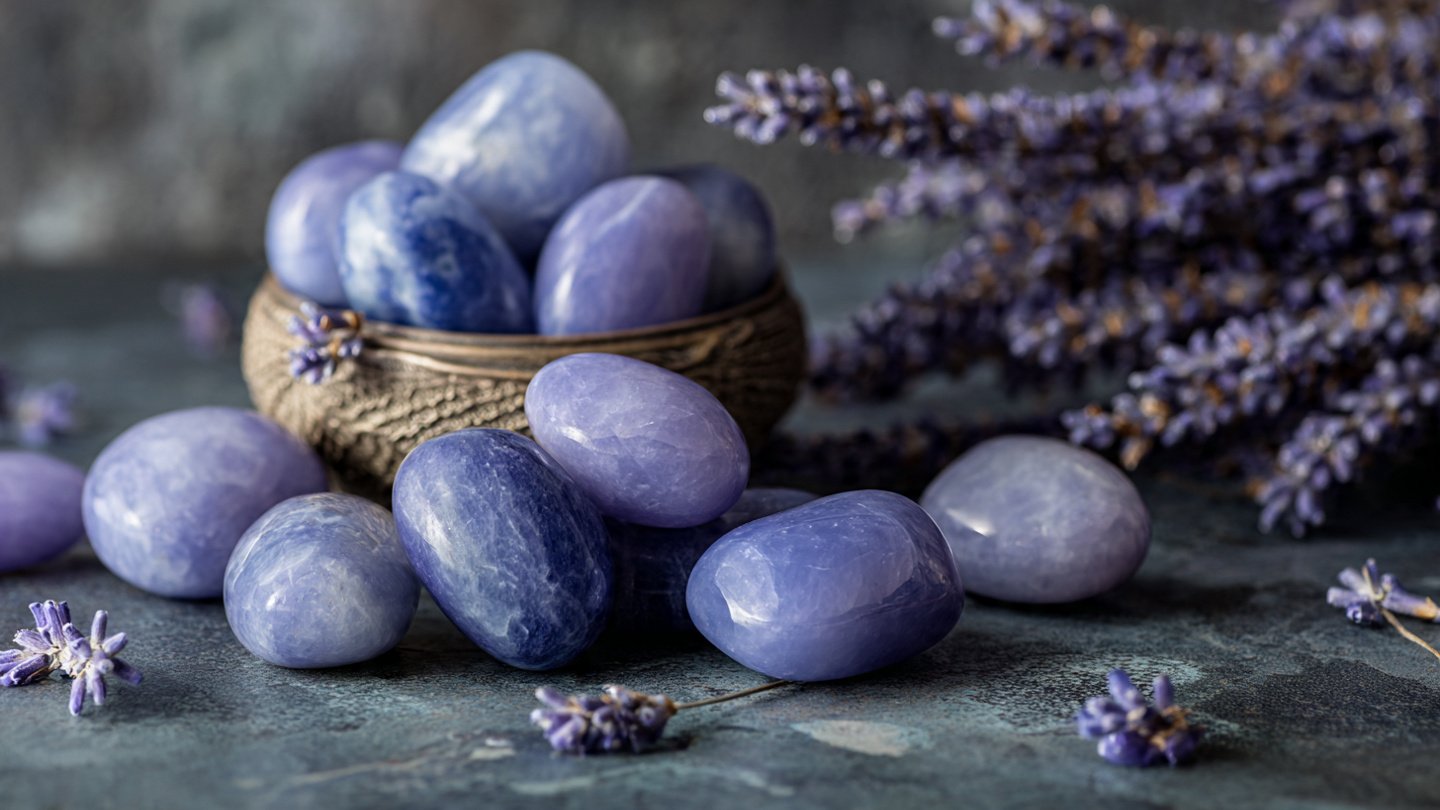
Picture holding a smooth, cool stone that seems to glow with a soft purple hue. That’s lavender jade—one of the most sought-after and misunderstood varieties of jade in the world.
While most people think of jade as exclusively green, lavender jade breaks that mold with its stunning purple to lilac coloration. But what makes this stone so special? What does it mean, how much is it worth, and how can you use it?
In this comprehensive guide, we’ll explore everything you need to know about lavender jade, from its geological origins to its spiritual significance, market value, and practical applications.
What Exactly Is Lavender Jade?
Lavender jade is a variety of jadeite—one of the two minerals that qualify as true jade (the other being nephrite). According to the Gemological Institute of America (GIA), jadeite is the rarer and typically more valuable of the two jade types.
The lavender color comes from trace amounts of manganese and iron within the jadeite’s crystalline structure. This creates shades ranging from pale lilac to deep purple, sometimes with hints of pink or gray.
Not all purple jade is created equal, though. The term “lavender jade” specifically refers to jadeite with these characteristics:
Genuine jadeite composition: Not dyed or treated nephrite Natural coloration: Color occurs naturally, not through artificial treatment Purple to lilac hues: Ranging from very light to moderately saturated Translucency: Higher quality pieces allow light to pass through Fine texture: Smooth, even grain without visible crystals
It’s worth noting that many stones sold as “lavender jade” are actually dyed or treated. We’ll cover how to spot fakes later in this guide.
The Geological Story Behind Lavender Jade
Understanding where lavender jade comes from helps explain why it’s so valuable.
Jadeite forms under extreme conditions—high pressure and relatively low temperature—typically in subduction zones where tectonic plates collide. According to research published in the journal “American Mineralogist,” jadeite requires very specific geological conditions that occur in only a handful of locations worldwide.
The primary sources for genuine lavender jadeite include:
Myanmar (Burma): The world’s premier source, particularly the Hpakan region Guatemala: Produces some lavender jadeite, though less common than green Russia: Siberian deposits occasionally yield lavender specimens Japan: Historical sources, though largely depleted California, USA: Small deposits with limited commercial production
Myanmar dominates the market, accounting for approximately 90% of the world’s high-quality jadeite, including most lavender varieties. The Hpakan mines have produced jadeite for centuries, and the finest specimens command astronomical prices at jade auctions.
The rarity of lavender jade comes from two factors: jadeite itself is rare compared to nephrite, and the specific trace elements needed to create lavender coloration occur in only a small percentage of jadeite deposits.
The Meaning and Symbolism of Lavender Jade
Throughout history, different jade colors have carried different meanings. Lavender jade holds unique symbolism in various cultural and spiritual traditions.
Traditional Chinese Meanings
In Chinese culture, while green jade represents prosperity and longevity, lavender jade carries different associations:
Spiritual growth: The purple color connects to higher consciousness Emotional healing: Believed to soothe emotional wounds and trauma Nobility and refinement: Purple has long been associated with royalty Divine connection: The color represents the bridge between physical and spiritual realms
Chinese jade collectors often prize lavender jade for personal contemplation and spiritual development rather than purely material success.
Modern Crystal Healing Interpretations
Contemporary crystal practitioners attribute several qualities to lavender jade:
Stress relief: Thought to calm anxiety and promote relaxation Intuition enhancement: Believed to open psychic awareness Emotional balance: Said to help process and release difficult emotions Heart chakra healing: Associated with self-love and compassion Crown chakra activation: Connected to spiritual awakening
While these claims lack scientific validation, many people report feeling calmer and more centered when working with lavender jade. This could relate to the psychological effects of color (purple is associated with calmness in color psychology research) and the mindfulness practices that often accompany crystal use.
Feng Shui Applications
Feng Shui practitioners use lavender jade strategically to create specific energies in spaces:
Meditation areas: Enhances spiritual practice and quiet contemplation Bedrooms: Promotes restful sleep and dream clarity Creative spaces: Supports artistic inspiration and imagination Healing spaces: Used by some alternative practitioners in treatment rooms
The soft purple color makes lavender jade particularly suited for calm, introspective environments rather than active, yang spaces.
How to Determine Lavender Jade Value
If you’re thinking about buying lavender jade, understanding how experts assess value helps you make informed decisions.
The Four Cs of Lavender Jade Quality
Similar to diamonds, jade quality depends on multiple factors. For lavender jade specifically:
Color
The most critical value factor. Premium lavender jade exhibits:
- Pure purple or lilac hue without brown, gray, or muddy undertones
- Even color distribution throughout the stone
- Moderate to good saturation (too pale lacks impact, too dark can appear dull)
- No obvious color zoning or patches
The most valuable shade is a vibrant, pure lavender with slight pink undertones—sometimes called “pink lavender” in the trade.
Clarity
Refers to how transparent the stone is:
- Transparent (most valuable): Light passes through clearly
- Semi-transparent: Light passes but with some diffusion
- Translucent: Light passes but you cannot see through it
- Opaque: No light transmission
For lavender jade, semi-transparent to translucent pieces are most common, with transparent specimens commanding premium prices.
Texture
The smoothness and fineness of the crystal structure:
- Fine-grained: Smooth, even texture (most valuable)
- Medium-grained: Slightly visible crystal structure
- Coarse-grained: Clearly visible crystals, rough appearance
Higher quality lavender jade has such fine texture that individual crystals are invisible to the naked eye, creating a smooth, silky appearance.
Cut and Craftsmanship
How well the stone is shaped and finished:
- Cabochons: Smooth, rounded cuts showcasing color and translucency
- Carvings: Artistic pieces demonstrating skill and maximizing the stone’s beauty
- Beads: Uniform size and shape indicate quality craftsmanship
Master carvers can dramatically increase value by working with the stone’s natural features rather than against them.
Current Market Values for Lavender Jade
Prices vary enormously based on quality. Here’s a general guide based on recent market data:
Commercial grade lavender jade: $50-200 per carat for opaque, pale pieces with visible flaws
Good quality lavender jade: $200-800 per carat for translucent stones with even color
Fine quality lavender jade: $800-3,000 per carat for semi-transparent pieces with good color
Investment grade lavender jade: $3,000-10,000+ per carat for transparent, vivid specimens
Exceptional pieces can far exceed these ranges. At Christie’s and Sotheby’s jade auctions, rare lavender jadeite items have sold for hundreds of thousands or even millions of dollars.
A high-quality lavender jade bangle, for instance, might retail for $10,000-50,000, while an exceptional piece could reach $200,000 or more.
For comparison, lavender jade typically costs less than the most prized imperial green jadeite but more than most green nephrite jade.
How to Spot Fake or Treated Lavender Jade
The lavender jade market includes many treated or imitation stones. Protect yourself with these identification tips.
Common Fake Materials
Dyed quartzite: Looks similar but lacks jade’s toughness Purple glass: May have consistent color but shows bubbles under magnification Dyed white jade: White nephrite or jadeite dyed purple Synthetic materials: Resins or plastics molded to look like jade Dyed marble: Soft material that scratches easily
The Dye Test
Many “lavender jade” pieces are actually white jade that’s been dyed. According to the International Gem Society, Type C jade is heavily bleached and dyed—common in tourist markets.
Warning signs of dyeing:
- Color concentrates in cracks and fractures
- Unnaturally even, intense color throughout
- Color appears only at the surface with white underneath
- Acetone or alcohol removes color (test on an inconspicuous spot)
- The stone feels lighter than genuine jadeite
Professional Testing Methods
For significant purchases, professional testing is essential:
Specific gravity test: Jadeite has a specific gravity of 3.30-3.38 Refractive index: Jadeite measures 1.66-1.68 on a refractometer Spectroscopy: Reveals the presence of manganese (natural) vs. dyes UV light examination: Some treatments fluoresce under UV light Microscopic examination: Reveals natural structure vs. treatment evidence
Reputable dealers provide certificates from recognized gemological laboratories like GIA, which confirm whether the stone is natural, treated, or dyed.
The Price Reality Check
If the price seems too good to be true, it probably is. Genuine lavender jadeite in good quality simply isn’t cheap. A “lavender jade” bangle selling for $50-100 is almost certainly not natural, untreated jadeite.
Budget-friendly options exist, but set realistic expectations about what you’re getting at different price points.
Practical Uses for Lavender Jade
Beyond its beauty and metaphysical meanings, lavender jade serves various practical purposes.
Jewelry Applications
Lavender jade makes stunning jewelry pieces:
Bangles: Traditional round bracelets showcasing the stone’s color and translucency Rings: Statement pieces or delicate bands with small lavender jade cabochons Pendants: Carved designs or simple cabochons hung on chains Earrings: Drop styles, studs, or dangles featuring lavender jade Beaded necklaces: Uniform beads or irregular nuggets strung together
The stone’s durability (ranking 6.5-7 on the Mohs hardness scale) makes it suitable for everyday wear, though bangles should be handled carefully to avoid impacts that could cause fracturing.
Decorative Objects
Collectors and enthusiasts use lavender jade in:
Carvings: Traditional Chinese symbols like dragons, Buddha figures, or nature scenes Sculptures: Contemporary art pieces showcasing the stone’s beauty Worry stones: Smooth, oval pieces held for stress relief Meditation stones: Tumbled or polished pieces used during practice Display specimens: Raw or partially polished pieces highlighting natural beauty
Fine lavender jade carvings by master artisans can be museum-quality art pieces worth substantial sums.
Healing and Wellness Practices
Whether you believe in metaphysical properties or simply enjoy the ritual, people use lavender jade in:
Meditation: Holding the stone during practice to enhance focus Chakra work: Placing on the heart or crown chakra Massage tools: Jade rollers and gua sha tools (though these are typically green jade, lavender versions exist) Sleep aids: Keeping under a pillow for supposedly better sleep Stress relief: Carrying a small piece to touch during anxious moments
From a scientific perspective, these practices may work through the placebo effect and mindfulness—which still provides genuine psychological benefits even if the mechanism isn’t magical.
Caring for Your Lavender Jade
Proper care preserves your lavender jade’s beauty and value.
Cleaning Methods
Lavender jade is relatively durable but requires gentle care:
Regular cleaning: Wipe with a soft, damp cloth after wearing Deep cleaning: Lukewarm water with mild soap, soft brush for crevices Drying: Pat dry with a soft cloth immediately Avoid: Ultrasonic cleaners, steam cleaners, harsh chemicals, or abrasive materials
Never use bleach, ammonia, or acidic cleaners, as these can damage jade over time.
Storage Guidelines
Protect your lavender jade from damage:
Separate storage: Keep jade pieces separate to prevent scratching Soft pouches: Store in silk or soft fabric bags Avoid heat: Keep away from direct sunlight or heat sources Controlled humidity: Extreme dryness or moisture can affect jade
Bangles are particularly vulnerable to chips and cracks, so store them in padded boxes or hanging stands.
Wearing Precautions
To minimize damage risk:
Remove during: Heavy physical activities, cleaning, showering with harsh soaps Be cautious of: Impacts against hard surfaces, especially for bangles Reapply: If wearing a necklace, check the clasp periodically Professional checks: Have settings inspected annually for wear
With proper care, lavender jade jewelry can last for generations and even become family heirlooms.
Buying Lavender Jade: A Smart Shopper’s Guide
Ready to purchase? Follow these guidelines for a successful buying experience.
Where to Buy
Reputable jewelry stores: Established retailers with return policies and guarantees Certified online dealers: Vendors offering GIA or similar certifications Jade specialty shops: Stores focusing exclusively on jade with knowledgeable staff Auction houses: For high-end pieces, Christie’s and Sotheby’s handle important jade Direct from Myanmar: If you have expertise and can travel, but beware of export regulations
Avoid: Street vendors in tourist areas, uncertified eBay or Amazon sellers, and deals that seem impossibly cheap.
Questions to Ask Sellers
Before purchasing, get answers to:
- Is this natural jadeite or nephrite?
- Has the stone been treated, dyed, or enhanced in any way?
- Can you provide a certificate from a recognized gemological laboratory?
- What is your return policy?
- Do you offer any guarantee of authenticity?
Legitimate sellers welcome these questions. Evasive answers are red flags.
Starting Your Collection
If you’re new to lavender jade:
Start small: Begin with a modest piece like a pendant or small carving Learn gradually: Study jade through books, online resources, and museum collections Handle authentic pieces: Visit reputable dealers to feel genuine lavender jade Join communities: Connect with other jade enthusiasts to share knowledge Take your time: Don’t rush into expensive purchases until you’ve educated yourself
Building expertise takes time, but it protects you from costly mistakes.
The Investment Potential of Lavender Jade
Some buyers view lavender jade as an investment. Is this wise?
Factors Supporting Investment Value
Increasing scarcity: Myanmar’s best deposits are being depleted Growing Asian middle class: Rising demand from China and other Asian markets Cultural significance: Jade remains deeply meaningful in Chinese culture Durability: Unlike some investments, jade doesn’t degrade over time Portability: High value in small, easily transported packages
Investment Risks
Illiquidity: Finding buyers for expensive jade can take time Authentication challenges: Fakes and treatments complicate the market Market volatility: Prices can fluctuate with economic conditions Expertise required: Making profitable investments demands deep knowledge Storage and insurance costs: Valuable pieces need secure storage
Most financial advisors suggest treating lavender jade as a collectible you enjoy rather than a primary investment vehicle. Buy pieces you love first; potential appreciation is a bonus.
Lavender Jade vs Other Purple Gemstones
How does lavender jade compare to alternatives?
Amethyst: Much more affordable, widely available, but softer and less durable Purple sapphire: Harder and more brilliant, but typically more expensive than commercial-grade lavender jade Tanzanite: Beautiful purple-blue, but more fragile than jade Sugilite: Similar purple hues, but less valuable and less widely known Charoite: Interesting purple swirls, but softer and less durable
Lavender jade occupies a unique position—more durable than most purple stones, with deep cultural significance, but also genuinely rare in fine quality.
Conclusion
Lavender jade represents a fascinating intersection of natural beauty, cultural heritage, and geological rarity. Its soft purple hues carry meanings of spiritual growth, emotional healing, and refined elegance across multiple traditions.
Value depends on color, clarity, texture, and craftsmanship, with prices ranging from affordable to astronomical based on quality. The market includes many treated or fake stones, so education and professional certification are essential for significant purchases.
Whether you’re drawn to lavender jade for its aesthetic beauty, metaphysical properties, or investment potential, approaching it with knowledge and respect enhances your experience. This stone connects you to ancient traditions while offering a contemporary option for those seeking something beyond the typical green jade.
Start your lavender jade journey with research and patience. Handle authentic pieces, learn to distinguish quality, and buy from reputable sources. Most importantly, choose pieces that resonate with you personally—because the true value of any gemstone lies in the joy it brings you.
Have you experienced lavender jade’s unique beauty? What draws you to this stone? Share your thoughts and questions in the comments below! If you found this guide helpful, bookmark it for reference and share it with fellow jade enthusiasts. Your insights enrich our community’s knowledge.
Disclaimer: This article is for informational purposes only. Gemstone values fluctuate with market conditions. Always seek professional gemological evaluation before significant purchases. Metaphysical properties discussed are based on traditional beliefs and are not scientifically proven. Consult qualified professionals for health, financial, or legal advice.


