

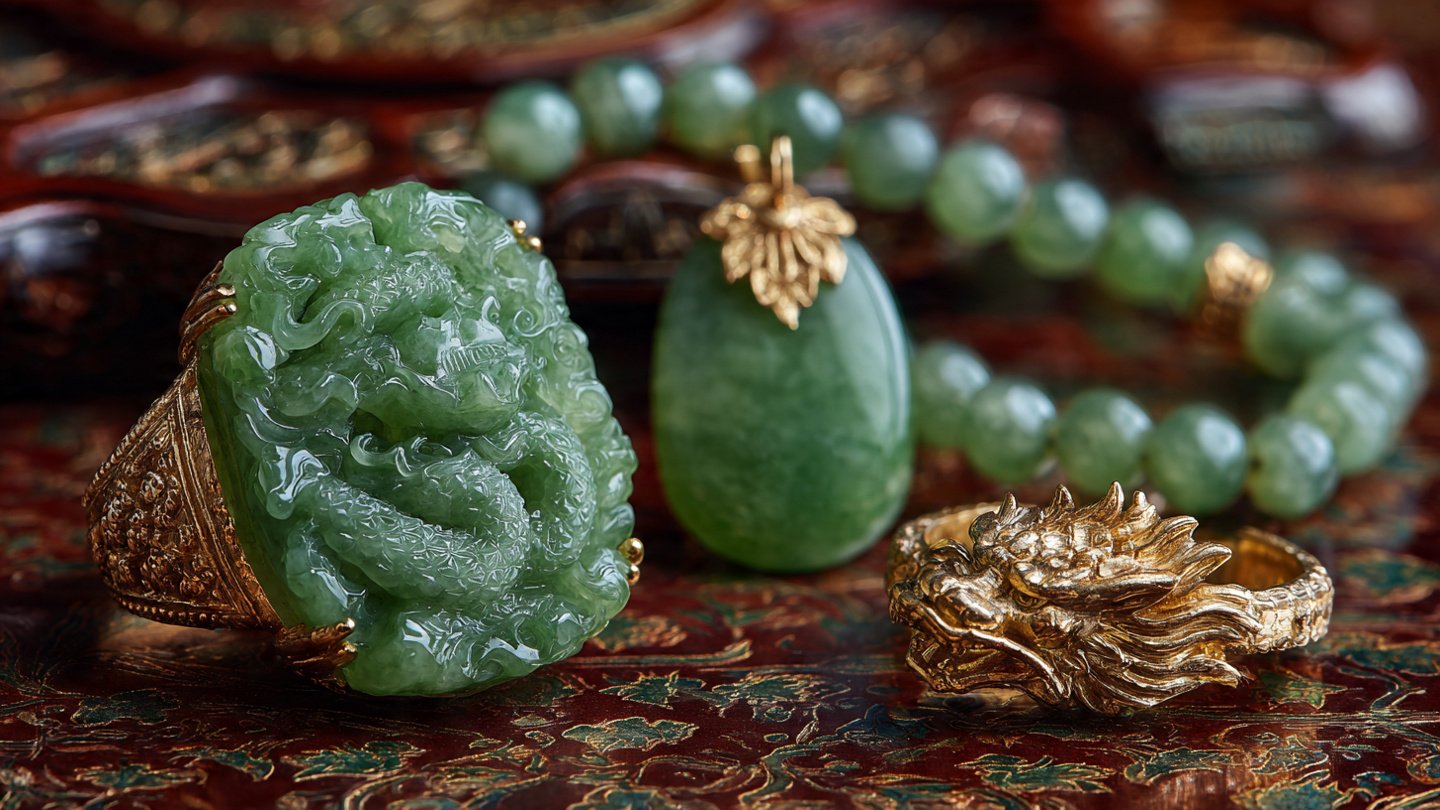
Jade jewelry has captivated hearts for thousands of years with its stunning green hues and smooth, lustrous surface. Whether you own a family heirloom or a modern piece, proper jade jewelry care ensures your treasures remain beautiful for generations. This comprehensive guide reveals everything you need to know about maintaining, cleaning, and protecting your jade pieces.
Understanding Jade Before You Begin Care
Before diving into care techniques, let’s understand what makes jade special. Jade actually refers to two different minerals: jadeite and nephrite. Jadeite is rarer and more valuable, while nephrite is more common but equally beautiful.
According to the Gemological Institute of America (GIA), jade’s toughness rating makes it exceptionally durable, but that doesn’t mean it’s indestructible. The stone can still scratch, crack, or lose its polish without proper care.
Jade comes in various colors beyond the classic green. You’ll find white jade, lavender jade, black jade, and even rare red varieties. Each color requires the same basic care approach, making your maintenance routine straightforward.
Daily Jade Jewelry Care Habits
Your daily habits significantly impact how long your jade jewelry maintains its beauty. Think of jade care like skincare—consistency matters more than occasional deep treatments.
Wear Your Jade Wisely
Remove jade jewelry before applying lotions, perfumes, or hairspray. These products contain chemicals that can dull the stone’s surface over time. Put your jade on last when getting ready and take it off first when returning home.
Skip wearing jade during vigorous activities. Gardening, sports, or heavy cleaning can expose your jewelry to harsh impacts or chemicals. Your beautiful jade bracelet won’t thank you for a collision with a dumbbell or garden tools.
Store jade separately from other jewelry. Diamonds and harder gemstones can scratch jade’s surface. Use individual soft pouches or lined jewelry boxes with dividers to keep each piece safe.
Quick Daily Cleaning
After wearing jade jewelry, give it a quick wipe with a soft, damp cloth. This simple action removes oils from your skin, dust, and minor residues before they build up. The entire process takes less than 30 seconds but prevents many long-term problems.
Pat your jade dry with a clean, soft towel. Never leave moisture sitting on the stone, as it can seep into any microscopic cracks and potentially cause damage over time.
Deep Cleaning Your Jade Jewelry
Even with daily maintenance, your jade needs periodic deep cleaning to restore its full brilliance. Plan for a thorough cleaning every few weeks, depending on how often you wear the piece.
The Safe Cleaning Method
Fill a bowl with lukewarm water and add a tiny drop of mild dish soap. Harsh detergents or jewelry cleaners designed for diamonds can damage jade, so stick with gentle options.
Dip a soft brush—a baby toothbrush works perfectly—into the soapy water. Gently brush the jade surface in circular motions, paying extra attention to crevices where dirt accumulates. The GIA recommends this gentle approach over ultrasonic cleaners, which can cause internal fractures in jade.
Rinse your jade under lukewarm running water, ensuring all soap residue disappears. Soap left behind can create a cloudy film that dulls your jade’s natural luster.
Dry immediately with a soft, lint-free cloth. Microfiber cloths work excellently for this purpose. Make sure the piece is completely dry before storing it away.
What to Avoid
Never use ultrasonic or steam cleaners on jade. These methods work wonderfully for diamonds but can damage jade’s internal structure. The rapid vibrations or extreme heat can create tiny fractures you won’t see immediately but that will worsen over time.
Skip harsh chemicals entirely. Bleach, ammonia, and acid-based cleaners will damage jade’s surface and potentially alter its color. Even natural cleaning solutions like vinegar or lemon juice are too acidic for jade.
Avoid hot water for cleaning. Extreme temperature changes can cause thermal shock, leading to cracks. Lukewarm water protects your jade while still cleaning effectively.
Proper Jade Storage Solutions
How you store jade jewelry between wearings matters just as much as cleaning. Poor storage causes unnecessary wear, scratches, and damage that proper techniques easily prevent.
Individual Storage Best Practices
Wrap each jade piece in soft cloth before storing. Silk or cotton pouches provide excellent protection while allowing the stone to breathe. According to jewelry experts at the International Gem Society, jade benefits from occasional exposure to air, so completely airtight containers aren’t ideal.
Keep jade jewelry in a cool, dry place away from direct sunlight. While jade won’t fade like some gemstones, prolonged sun exposure can dry out any oils or treatments used in processing the stone.
Create a dedicated jewelry drawer or box with individual compartments. This organization prevents pieces from rubbing against each other while making it easy to find what you want to wear.
Travel Storage Tips
Invest in a padded travel jewelry case for jade pieces. Hard-sided cases with soft interiors offer the best protection during transit. Place each piece in its own compartment to prevent movement during travel.
Carry jade jewelry in your carry-on bag when flying. Checked luggage experiences rough handling that can damage even well-protected jewelry. Plus, you’ll have peace of mind keeping valuable pieces close.
Consider wearing your favorite jade piece during travel instead of packing it. This approach works well for sturdy items like pendants or bracelets without delicate settings.
Maintaining Jade’s Natural Oils and Luster
Jade has a unique characteristic that sets it apart from many gemstones—it can actually benefit from body oils. However, this doesn’t mean neglecting cleaning or proper care.
The Natural Oil Balance
Wearing jade regularly can enhance its appearance over time. Your skin’s natural oils interact with the stone, potentially deepening its color and increasing its glow. Some jade enthusiasts call this process “feeding” the jade.
However, too much oil buildup creates problems. Dirt and particles stick to oily surfaces, creating grime that dulls the stone. This is why regular cleaning remains essential even though jade benefits from some oil contact.
Strike the right balance by wearing your jade regularly but cleaning it as described earlier. This approach gives jade the beneficial contact with natural oils while preventing harmful buildup.
Professional Repolishing
Over years of wear, jade can lose some of its polish despite your best care efforts. Professional jewelers can restore the original luster through repolishing. Consider this service every few years for frequently worn pieces.
The repolishing process removes a microscopic layer of the stone’s surface, revealing fresh, glossy jade underneath. A qualified jeweler with jade experience should perform this service to avoid over-polishing or damaging the stone.
Don’t attempt DIY polishing with jewelry polishing cloths or compounds. These products work for metals but can damage jade or create uneven surfaces that catch dirt more easily.
Recognizing and Addressing Jade Damage
Even with excellent care, accidents happen. Knowing how to identify and address jade damage helps you take quick action to prevent further problems.
Common Damage Types
Scratches appear as fine lines across jade’s surface. Light scratches might only affect the polish, while deep scratches can compromise the stone’s integrity. A jeweler can assess whether repolishing will fix the issue or if more extensive repair is needed.
Cracks are more serious than scratches. If you notice a crack, stop wearing the piece immediately and consult a professional jeweler. Continuing to wear cracked jade can cause the stone to break completely.
Cloudiness or dullness often indicates improper cleaning product use or damage to the stone’s surface. Professional assessment can determine if cleaning or repolishing will restore clarity.
When to Seek Professional Help
Take jade jewelry to a professional if you notice any cracks, significant scratches, or if the stone becomes loose in its setting. Attempting DIY repairs often makes problems worse and can reduce the piece’s value.
Annual professional inspections catch small issues before they become big problems. Many jewelers offer free inspection services, making this an easy way to ensure your jade stays in top condition.
Choose a jeweler with specific jade experience. Not all jewelers work regularly with jade, and this stone’s unique properties require specialized knowledge for proper assessment and repair.
Special Care for Different Jade Jewelry Types
Different jewelry types face different challenges and require slightly modified care approaches. Tailoring your maintenance routine to each piece ensures optimal protection.
Jade Rings
Rings endure the most wear since hands encounter countless surfaces daily. Remove jade rings before washing hands, applying hand cream, or doing dishes. These frequent exposures to water and chemicals can damage the stone faster than occasional contact.
Check ring settings monthly for loose prongs or wear. The constant movement and impacts that rings experience can loosen settings over time. Early detection prevents stone loss.
Consider having protective prongs or bezels added to vulnerable jade rings. This modification provides extra security for valuable or sentimental pieces.
Jade Bracelets and Bangles
Bangles need special attention since they can’t be easily removed throughout the day like other jewelry. Apply lotions and perfumes before putting on jade bangles to minimize chemical exposure.
Remove bracelets before sleeping to prevent impact damage during nighttime movement. Even though jade is tough, repeated impacts against headboards or nightstands can eventually cause damage.
Store bangles on padded bracelet holders that prevent rolling and reduce stress on the circular structure. This storage method helps prevent the development of weak spots that could lead to cracking.
Jade Necklaces and Pendants
Examine the cord or chain regularly for wear. The string on jade bead necklaces can weaken over time, especially with frequent wear. Restring bead necklaces every one to two years to prevent breakage.
Clean the metal components of jade pendants separately using appropriate metal cleaners, keeping the cleaning products away from the jade itself. This targeted approach protects the jade while maintaining the entire piece.
Store necklaces hanging or flat, never bunched or knotted. Tangled necklaces can stress the string and potentially damage stones if they knock together when you untangle them.
Jade Earrings
Check earring backs and posts regularly to ensure they’re secure. Lost earring backs can lead to lost earrings, and loose posts can damage the jade if the earring falls.
Clean earring posts thoroughly to remove buildup that can irritate ears. Use rubbing alcohol on metal posts, avoiding contact with the jade stones themselves.
Store earrings in pairs to prevent loss and make selection easier. Small compartmented boxes or earring cards work well for this organization.
Jade Treatment and Enhancement Awareness
Many jade pieces undergo treatments to enhance their appearance. Understanding these treatments helps you provide appropriate care and set realistic expectations.
Common Jade Treatments
Type A jade is completely natural with no treatment beyond cutting and polishing. This jade requires standard care and maintains its appearance indefinitely with proper maintenance.
Type B jade has been bleached and polymer-impregnated to improve color and transparency. This treatment requires gentler care since harsh chemicals or heat can damage the polymer. The Gemological Institute of America notes that Type B jade may deteriorate over time even with good care.
Type C jade is dyed to improve color. This treatment is the least stable, and the color may fade with exposure to light, heat, or chemicals. Extra gentle care is essential for Type C jade.
Caring for Treated Jade
If you’re unsure whether your jade is treated, assume it is and use the gentlest care methods. This cautious approach protects all jade types without harming natural stones.
Avoid prolonged sun exposure for treated jade, as UV light can fade dyes or degrade polymers faster. Store these pieces away from windows and bright indoor lighting.
Never use jewelry cleaning solutions on treated jade. Even “gentle” cleaners may contain chemicals that interact poorly with treatment materials. Stick to plain lukewarm water and mild soap.
Jade Jewelry Care Myths Debunked
Many jade care myths persist despite contradicting expert recommendations. Let’s clear up common misconceptions so you can care for your jade properly.
Myth: Jade Gets Better with Age Regardless of Care
Reality: While jade can develop character over time, neglect causes damage, not improvement. Proper care is essential for jade to age gracefully rather than deteriorate.
Myth: You Can Clean Jade with Any Jewelry Cleaner
Reality: Many jewelry cleaners are formulated for diamonds and other hard gemstones. These products often contain harsh chemicals that can damage jade, especially treated varieties. Always use mild, jade-safe cleaning methods.
Myth: Real Jade Never Breaks or Scratches
Reality: Although jade is remarkably tough, it’s not indestructible. Jade can scratch if exposed to harder materials and can break under severe impact. Toughness and hardness are different properties, and jade rates lower on the hardness scale than many people assume.
Myth: Ultrasonic Cleaners Are Safe for All Gemstones Including Jade
Reality: Ultrasonic cleaners can cause internal fractures in jade that may not be immediately visible but will worsen over time. Manual cleaning with soft brushes and mild soap is much safer.
Creating Your Jade Care Routine
Now that you understand jade jewelry care principles, let’s build a practical routine that fits into your life without becoming burdensome.
Daily Quick Care (30 Seconds)
When you remove jade jewelry, wipe it with a soft, slightly damp cloth. Keep a microfiber cloth in your jewelry box for convenient access. This quick action prevents oil and dirt buildup that requires more intensive cleaning later.
Weekly Maintenance (5 Minutes)
Once a week, examine your jade pieces while cleaning them. Look for any signs of damage, loose settings, or excessive dirt buildup. This regular inspection catches problems early when they’re easiest to address.
Monthly Deep Clean (15 Minutes)
Set aside time monthly for thorough cleaning using the soap and water method described earlier. This deeper cleaning removes buildup that daily wiping misses and keeps your jade looking its absolute best.
Annual Professional Check (Variable)
Schedule an annual appointment with a jeweler experienced in jade. This professional inspection identifies issues you might miss and provides peace of mind that your valuable pieces remain in good condition.
Environmental Factors Affecting Jade
Your home’s environment impacts jade jewelry even when you’re not wearing it. Understanding these factors helps you make smart storage decisions.
Humidity Considerations
Jade tolerates moderate humidity well, but extreme dryness or dampness creates problems. Very dry environments can cause treated jade to develop surface cracks as polymers dry out. Conversely, excessive moisture can damage metal settings and strings.
Maintain moderate humidity in your home, ideally between 40-60 percent. This range protects not only jade but also other valuables and your home itself.
Consider using a small humidity monitor in your jewelry storage area. These inexpensive devices help you identify potential problems before they damage your collection.
Temperature Guidelines
Avoid storing jade in areas with significant temperature fluctuations. Attics, garages, and exterior walls often experience temperature swings that can stress jade and its settings.
Room temperature storage works perfectly for jade. No special cooling or heating is necessary—just avoid extremes and sudden changes.
Never leave jade jewelry in cars, especially during summer. Car interiors can reach temperatures that damage treated jade and weaken jewelry settings.
Insuring and Documenting Your Jade Collection
Proper care extends beyond cleaning and storage to include protection against loss or theft. Documentation and insurance provide peace of mind and financial protection.
Documentation Essentials
Photograph each jade piece from multiple angles in good lighting. These photos help with insurance claims and serve as records of your collection’s appearance over time.
Record purchase information including date, seller, price, and any certificates of authenticity. This documentation establishes provenance and value for insurance purposes.
Consider having valuable pieces professionally appraised. Appraisals provide official value documentation for insurance and help you understand your collection’s worth.
Insurance Options
Add valuable jade pieces to your homeowner’s or renter’s insurance policy. These policies typically cover jewelry up to certain limits, though you may need additional coverage for expensive pieces.
Consider specialized jewelry insurance for high-value items. These policies often provide broader coverage than standard homeowner’s policies, including coverage for mysterious disappearance and worldwide protection.
Update your insurance documentation regularly as jade values change. Annual reviews ensure your coverage keeps pace with market values and new acquisitions.
Sustainability and Ethical Jade Jewelry Care
Caring for jade jewelry responsibly includes considering environmental and ethical factors. These practices align jade care with broader sustainability values.
Eco-Friendly Cleaning
Use biodegradable soap for jade cleaning. Many gentle dish soaps are environmentally friendly and work perfectly for jade care.
Minimize water usage by cleaning multiple pieces during one session. This efficient approach reduces waste without compromising cleaning quality.
Choose reusable microfiber cloths over disposable wipes. Quality cloths last years with proper laundering and create less waste than single-use products.
Repair Over Replace
When jade jewelry shows wear, explore repair options before considering replacement. Professional restoration often costs less than new purchases and reduces demand for new mining.
Learn basic repair skills like restringing bead necklaces. This DIY approach saves money and reduces the environmental impact of professional services.
Support jewelers who prioritize sustainability in their practices. These professionals often offer repair services and work with recycled materials when creating new settings.
Passing Jade Jewelry to Future Generations
Many people treasure jade jewelry as family heirlooms meant to pass down through generations. Proper care ensures these pieces survive to delight your descendants.
Preparing Heirlooms for Transfer
Document each piece’s history including who owned it and when, its origins, and any special meaning it holds. This information transforms jewelry into meaningful family stories.
Have heirloom pieces professionally cleaned and inspected before gifting them. This service ensures the new owner receives the jewelry in excellent condition and aware of any maintenance needs.
Include care instructions with inherited pieces. Written guidelines help recipients maintain the jewelry properly, especially if they’re new to jade ownership.
Teaching Young Owners Jade Care
Start with simple care steps appropriate for the recipient’s age. Young children might only need to know about gentle handling, while teenagers can learn complete care routines.
Demonstrate care techniques rather than just explaining them. Hands-on learning helps new owners feel confident in their ability to maintain their jade properly.
Emphasize the jewelry’s value—both monetary and sentimental. Understanding significance motivates careful treatment and attention to proper care practices.
Conclusion: Your Journey to Perfect Jade Care
Mastering jade jewelry care doesn’t require special skills or expensive tools. With consistent basic maintenance, gentle cleaning, and smart storage, your jade pieces will maintain their beauty for decades or even centuries.
Remember these key principles: clean regularly with mild methods, store carefully away from harder materials, avoid harsh chemicals and extreme temperatures, and seek professional help for repairs or concerns. These straightforward practices protect your investment and preserve the beauty that makes jade so treasured.
Your jade jewelry deserves the same attention and care you’d give any valuable possession. Whether you own a single cherished piece or an extensive collection, the time you invest in proper care pays dividends in lasting beauty and preserved value.
Start implementing these care practices today. Your jade—and the future generations who’ll inherit it—will thank you for your dedication to preservation and proper maintenance.
Take Action Now
Ready to give your jade the care it deserves? Begin by examining your current storage setup and cleaning routine. Identify one improvement you can make this week, whether that’s purchasing soft pouches, scheduling a professional inspection, or simply committing to daily wiping after wear.
Share this guide with fellow jade enthusiasts who might benefit from these care tips. Together, we can preserve jade’s beauty for generations to come.
What’s your biggest jade jewelry care challenge? Drop a comment below with your questions or share your own care tips that have worked well. Let’s learn from each other’s experiences and keep our jade treasures looking magnificent!


