

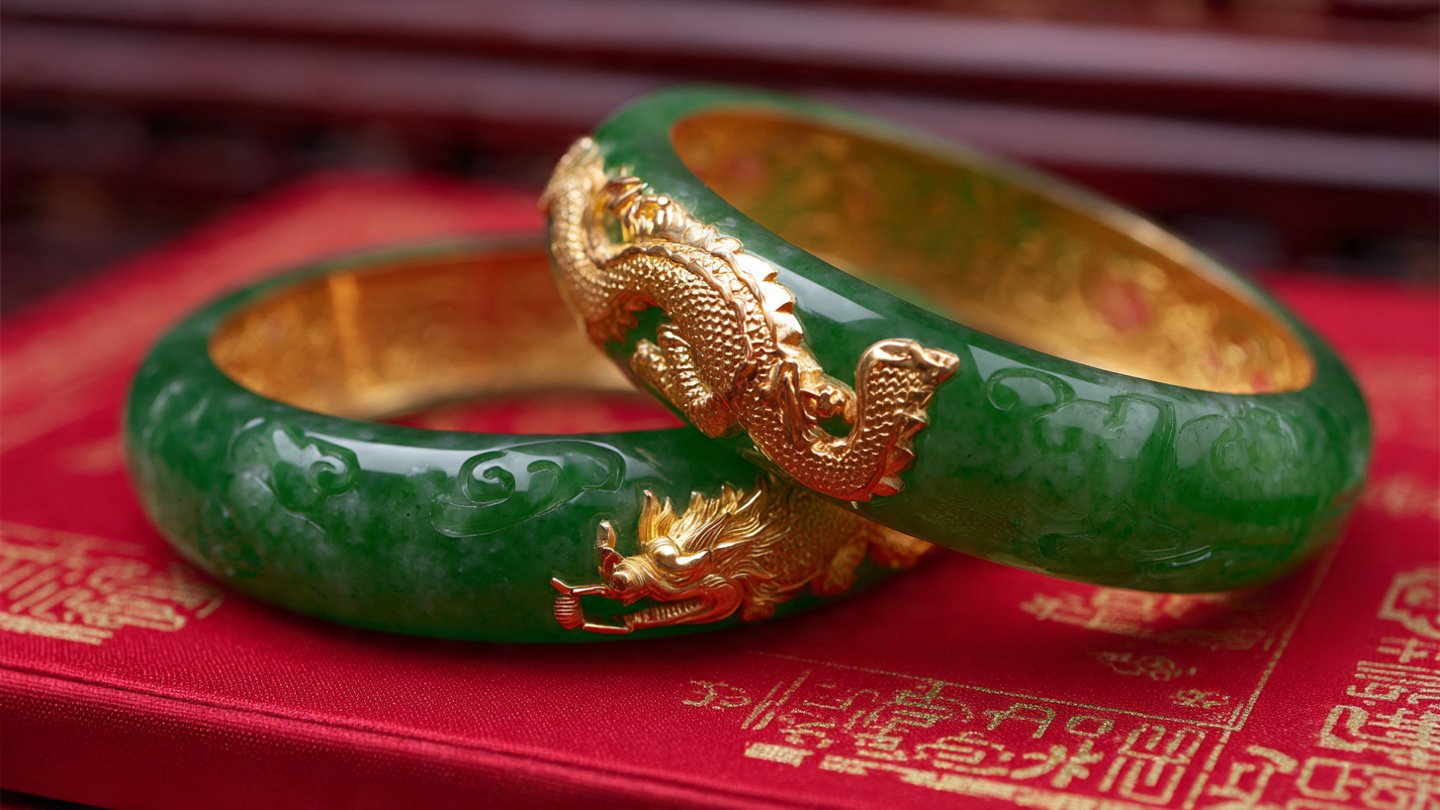
Jade bangles have captivated people for thousands of years, and if you’re reading this, chances are you’re either looking to buy one or simply curious about what makes these circular treasures so special. Whether you inherited a jade bangle from your grandmother or spotted one in a jewelry store window, understanding what you’re looking at makes all the difference.
Let me walk you through everything you need to know about jade bangles—from their rich cultural meanings to practical buying tips that’ll help you avoid common pitfalls.
What Makes Jade Bangles So Special
Jade bangles aren’t just pretty accessories. In many Asian cultures, particularly Chinese, they represent protection, good fortune, and emotional connection. Many people believe that jade absorbs negative energy and protects its wearer from harm—almost like a spiritual bodyguard you wear on your wrist.
Here’s something interesting: traditional beliefs suggest that if your jade bangle cracks or breaks, it has absorbed a misfortune that would have otherwise befallen you. The jade essentially “sacrificed” itself to protect you. Whether you believe this or not, it speaks to the deep emotional and cultural significance these pieces carry.
Jade bangles are also commonly passed down through generations. A mother giving her daughter a jade bangle represents not just a gift of jewelry, but a transfer of protection, wisdom, and familial love. That’s pretty powerful stuff for a bracelet.
Understanding the Two Types of Jade
Before you start shopping, you need to know this crucial fact: not all jade is created equal. There are actually two distinct minerals that we call “jade.”
Jadeite: The Premium Choice
Jadeite is the more valuable of the two types. It’s harder, denser, and comes in a wider range of colors—from the highly prized “imperial green” to lavender, white, yellow, and even black. The finest jadeite can cost more per carat than diamonds.
Myanmar (formerly Burma) produces the world’s highest quality jadeite, which is why you’ll often hear the term “Burmese jade” associated with top-tier pieces. If you’re investing serious money in a jade bangle, you’re most likely looking at jadeite.
Nephrite: The Traditional Option
Nephrite is the other type of jade. It’s slightly softer than jadeite but still quite durable. Historically, nephrite was the original jade used in China for thousands of years before jadeite was introduced.
Nephrite typically comes in shades of green and white, though you can find cream and brown tones too. It’s generally more affordable than jadeite, but that doesn’t make it less authentic or beautiful. Many traditional jade bangles are made from nephrite, and they carry just as much cultural significance.
The key takeaway? Both are real jade. The price difference comes down to rarity, hardness, and color intensity—not authenticity.
The Cultural Meaning Behind Jade Bangles
Different cultures attach various meanings to jade bangles, though Asian traditions—particularly Chinese—hold the most extensive symbolism.
Chinese Traditions
In Chinese culture, jade bangles represent virtue, purity, and grace. The continuous circle symbolizes eternity and unity. Many Chinese families have traditions around jade bangles:
- A bangle given to a newborn girl to wear throughout her life
- Bangles presented during coming-of-age ceremonies
- Wedding bangles exchanged between families
- Heirloom pieces passed from grandmother to granddaughter
Some believe that jade bangles should be worn on the left wrist because it’s closer to the heart, strengthening the spiritual connection between the wearer and the stone.
Other Cultural Perspectives
Across various Asian cultures, jade bangles also symbolize wealth and status. Historically, only royalty and wealthy families could afford high-quality jade pieces. Even today, a genuine, high-quality jade bangle represents both financial investment and cultural heritage.
In feng shui practices, jade is associated with harmony and balance. Wearing jade jewelry is thought to promote emotional stability and attract positive energy.
Types and Styles of Jade Bangles
Jade bangles come in several distinct styles, each with its own characteristics and traditional uses.
Round Bangles
The classic round bangle has a circular cross-section—basically, the bangle itself is round like a tube. These are traditional and comfortable for many wearers, though they can be tricky to put on if your hands are larger than your wrists.
Flat Bangles (Princess Style)
Flat bangles have an oval or flattened cross-section. They’re often called “princess bangles” and are easier to slide over your hand. The wider surface area also makes them ideal for showcasing the jade’s color and patterns.
Carved Bangles
Some jade bangles feature intricate carvings—dragons, phoenixes, flowers, or traditional Chinese symbols. These carved pieces are often more expensive because they require skilled craftsmanship and use higher-quality jade to ensure the carvings stand out.
Three-Color Bangles
Also known as “Fu Lu Shou” bangles (representing fortune, prosperity, and longevity), these feature three distinct colors in one piece—typically green, lavender, and white or red. Finding natural jade with three attractive colors in one bangle is rare, which makes them valuable.
How to Buy Jade Bangles: Essential Tips
Now we’re getting to the practical stuff. Buying jade bangles can be intimidating, especially given the prevalence of fakes and treatments in the market. Here’s what you need to know.
Get the Size Right
This is critical because jade bangles cannot be resized. If it doesn’t fit, you’re stuck with it. Here’s how to measure your hand for a jade bangle:
- Bring your thumb and pinky finger together
- Measure the widest part of your hand (across the knuckles)
- Divide that measurement by 3.14 to get your inner diameter
Most jade bangles range from 50mm to 62mm in inner diameter, with 54-56mm being most common. When you try on a bangle, it should slide over your hand with some effort—tight enough that it won’t fall off, but not so tight that you risk breaking it while putting it on.
Pro tip: try on bangles in the morning when your hands are less swollen, and use some lotion or a plastic bag to help slide it over your knuckles.
Learn to Identify Authentic Jade
Unfortunately, the jade market is flooded with fakes, treatments, and misrepresentations. Here are some ways to spot real jade:
The Sound Test: Gently tap the bangle with a coin or another piece of jade. Real jade produces a clear, musical tone that resonates. Fake jade or treated jade sounds duller.
The Temperature Test: Real jade feels cool to the touch and stays cool even when held. It warms up slowly. Plastic and glass warm up quickly in your hand.
The Scratch Test: This is risky because you could damage the piece, but jade is hard enough that it won’t scratch easily with a knife. However, don’t do this test without permission from the seller.
Check the Transparency: Hold the bangle up to strong light. Real jadeite often shows a slightly grainy structure with varying transparency. Completely uniform color throughout is suspicious.
Look for Certificates: Reputable sellers provide certificates from gemological laboratories. In China, look for Grade A certificates (natural, untreated jade). Grades B and C indicate chemical treatments.
Understand Jade Grading
Jade grading can be confusing, but here’s the simplified version:
Grade A: Natural jade with no chemical treatments. This is what you want. The color, texture, and structure are completely natural. Grade A can range from mediocre to museum-quality.
Grade B: Jade that’s been chemically bleached and impregnated with polymer resin to improve appearance. The color is natural, but the structure has been altered. Grade B jade will deteriorate over time.
Grade C: Jade that’s been bleached, filled with resin, AND artificially colored with dyes. This is heavily treated and will fade and deteriorate.
Always insist on Grade A jade, but remember that “Grade A” doesn’t automatically mean “high quality”—it just means untreated. Quality within Grade A varies enormously based on color, translucency, texture, and craftsmanship.
Color Considerations
When it comes to jade bangles, color significantly affects both price and appeal.
Imperial Green: The most valuable color—a vivid, emerald-like green with high translucency. Genuine imperial green jadeite can cost tens of thousands of dollars.
Lavender/Violet: Highly prized for its rarity and beauty, especially when the color is evenly distributed and translucent.
White (Mutton Fat): High-quality white jade with a slightly creamy tone is valuable, particularly in nephrite.
Black Jade: Dramatic and elegant, black jade (especially Guatemalan black jadeite) has become increasingly popular.
Yellow and Red: Natural yellow and red jade are rare. Be cautious as these colors are often artificially enhanced.
Mixed Colors: Bangles with attractive natural color combinations can be valuable, especially if the colors complement each other well.
Remember: more intense and uniform color generally means higher value, but natural variations and subtle patterns can add character and authenticity.
Where to Buy
Reputable Jewelers: Your safest bet, especially if they specialize in jade. They typically provide certificates and guarantees.
Auction Houses: For high-end pieces, reputable auction houses like Sotheby’s and Christie’s regularly feature jade jewelry, though expect to pay premium prices.
Direct from Source: If you’re in areas like Hong Kong, Myanmar, or parts of China, you can buy from jade markets. However, you need significant knowledge or a trusted expert with you to avoid fakes.
Online Marketplaces: Risky unless you’re buying from verified sellers with strong return policies. The inability to physically examine jade before purchase is a major disadvantage.
Family Estates: Sometimes the best jade bangles come from family members or estate sales. However, get them appraised by a professional gemologist to verify authenticity and value.
Price Expectations
Jade bangle prices vary wildly based on quality, type, and market conditions. Here’s a rough guide:
Budget Range ($50-$300): Nephrite bangles or lower-grade jadeite. Good for everyday wear and cultural appreciation.
Mid-Range ($300-$3,000): Decent quality jadeite with acceptable color and translucency. This is where most serious buyers start.
High-End ($3,000-$30,000): High-quality jadeite with good color, translucency, and few flaws.
Investment Grade ($30,000+): Museum-quality pieces with exceptional color (especially imperial green or fine lavender), superior translucency, and perfect or near-perfect quality.
Remember: if a deal seems too good to be true, it probably is. A vendor selling “imperial green jadeite” for a few hundred dollars is almost certainly lying.
Caring for Your Jade Bangle
Once you’ve invested in a jade bangle, proper care ensures it lasts for generations.
Daily Care
Jade is relatively tough, but it can still chip or break if struck hard. Remove your bangle during activities like:
- Heavy cleaning or housework
- Sports and exercise
- Gardening
- Any activity where impact is likely
Cleaning
Clean your jade bangle regularly with lukewarm water and mild soap. Use a soft cloth to gently wipe it clean. Avoid harsh chemicals, ultrasonic cleaners, or steam cleaners, as these can damage the jade or any treatments it might have undergone (though Grade A jade is more resilient).
Storage
Store jade bangles separately from other jewelry to prevent scratches. Wrap them in soft cloth or keep them in padded boxes. Jade actually benefits from being worn—the oils from your skin help maintain its luster.
Hydration
Believe it or not, jade can dry out over time, especially if stored for long periods. Some jade enthusiasts occasionally soak their bangles in clean water for a few hours to maintain moisture and luster. This is particularly beneficial for nephrite.
Common Myths About Jade Bangles
Let’s clear up some misconceptions you might encounter.
Myth 1: All jade is green
Reality: Jade comes in many colors including white, yellow, red, black, lavender, and various combinations. Green is most common and traditionally valued, but it’s not the only option.
Myth 2: Jade changes color over time
Reality: Grade A jade doesn’t change color. If your jade bangle is changing color, it’s likely Grade B or C (treated), and the dyes or treatments are fading or deteriorating.
Myth 3: Heavier means better
Reality: While density is one quality factor, weight alone doesn’t determine quality. A large, low-quality piece can weigh more than a small, high-quality one.
Myth 4: You can’t break jade
Reality: Jade is tough, but it’s not indestructible. Both jadeite and nephrite can chip, crack, or break if subjected to strong impact or pressure.
Myth 5: Old jade is always more valuable
Reality: Age doesn’t automatically increase value. A 100-year-old mediocre jade bangle is still mediocre. Quality, color, and craftsmanship matter more than age, though antique pieces with historical significance have added value.
Red Flags When Buying
Watch out for these warning signs that might indicate you’re dealing with fake jade or an untrustworthy seller:
- Prices that seem unrealistically low for the claimed quality
- Sellers who refuse to provide certificates or get the piece tested
- Perfectly uniform color with no natural variations (suggests dyeing)
- Sellers who pressure you to buy immediately
- Bangles that feel unusually light for their size
- Surface that looks too glossy or plastic-like
- Sellers who can’t answer basic questions about jade types and treatments
- “Special one-day deals” or other high-pressure sales tactics
If something feels off, trust your instincts and walk away. There are plenty of reputable jade sellers out there.
Making Your Decision
Buying a jade bangle is often an emotional decision as much as a financial one. Here are some final thoughts to guide you:
Buy what speaks to you: If you’re drawn to a particular bangle and it’s within your budget, that connection matters. Jade bangles are meant to be worn and appreciated, not just treated as investments.
Prioritize authenticity over perfection: A genuine Grade A jade bangle with minor flaws is better than a perfect-looking Grade C fake that will deteriorate.
Consider the purpose: Are you buying for daily wear, special occasions, cultural traditions, or investment? This affects what quality level and price point makes sense for you.
Get expert help: If you’re spending significant money, hire an independent gemologist to examine the piece before finalizing the purchase. The few hundred dollars you spend on expertise can save you thousands.
Trust reputable sources: Buy from established jewelers with return policies and guarantees. The peace of mind is worth any small price premium.
Your Journey with Jade Starts Now
Jade bangles represent a beautiful intersection of nature, art, culture, and personal meaning. Whether you’re buying your first jade bangle or adding to a collection, understanding what you’re looking for helps you make confident, informed decisions.
Remember that the “perfect” jade bangle is the one that fits your hand, matches your style, suits your budget, and makes you happy when you wear it. The technical aspects—type, grade, color, and treatment—provide the framework for making smart choices, but your personal connection to the piece is what truly matters.
Take your time, do your research, ask questions, and don’t let anyone pressure you into a purchase you’re not comfortable with. The right jade bangle will find its way to you when you’re ready.
Ready to start your jade bangle journey? Share this article with anyone who loves jade jewelry, and drop a comment below about your experiences with jade bangles—we’d love to hear your stories!


