

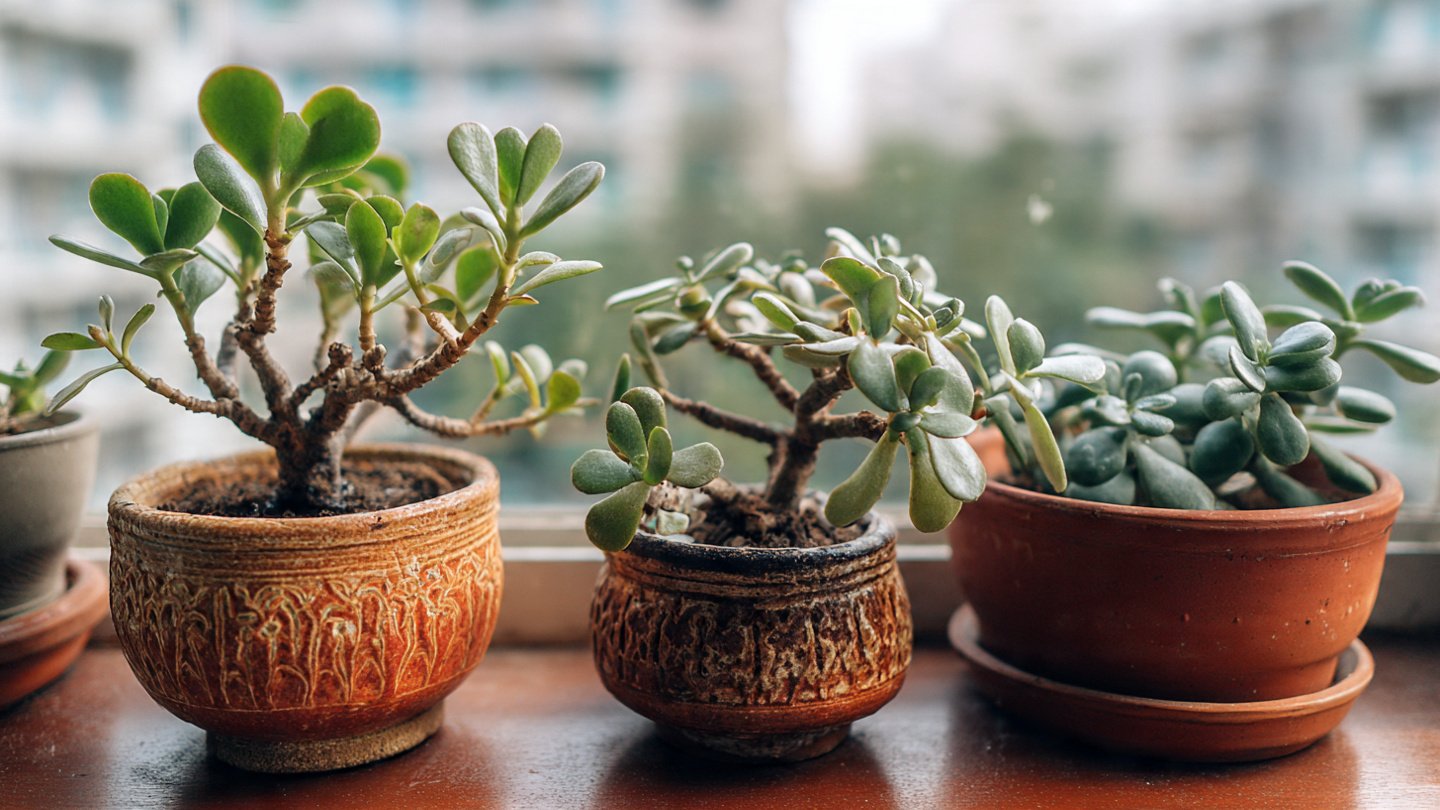
Have you ever wondered why your grandmother insists on keeping that chubby-leafed succulent by her front door? Or why every Chinese restaurant seems to have one near the entrance? The jade plant isn’t just another pretty houseplant. It carries centuries of meaning, symbolism, and cultural significance that make it one of the most beloved plants worldwide.
Let’s explore everything this remarkable plant represents and why it might be exactly what your home needs.
What Is a Jade Plant
Before diving into symbolism, let’s identify our subject. The jade plant (Crassula ovata) is a succulent native to South Africa and Mozambique. Despite its African origins, this plant has become deeply embedded in Asian culture, particularly Chinese tradition.
You’ll recognize jade plants by their thick, woody stems and plump, oval-shaped leaves that resemble jade stones. These glossy leaves store water, making the plant incredibly resilient and easy to care for.
The plant can grow anywhere from a few inches to several feet tall. With proper care, jade plants can live for decades, with some specimens surviving over 100 years. This longevity adds to their symbolic significance.
The Primary Meaning of Jade Plants
Good Luck and Fortune
The jade plant’s most famous association is with good luck and prosperity. In feng shui, the ancient Chinese practice of harmonizing energy in spaces, jade plants rank among the most auspicious plants you can keep.
According to feng shui principles documented by the International Feng Shui Guild, the jade plant’s round, coin-shaped leaves symbolize wealth and financial success. The vibrant green color represents growth, renewal, and vitality.
Many business owners place jade plants near entrances or cash registers, believing they attract customers and financial prosperity. This practice has spread from Asia throughout the world, making jade plants common in businesses globally.
Friendship and Positive Energy
Beyond money matters, jade plants symbolize friendship and positive relationships. Their easy-going nature and ability to thrive with minimal attention mirror the qualities of a good friend—reliable, low-maintenance, and always there when you need them.
Giving someone a jade plant shows you value their friendship and wish them well. The plant serves as a living reminder of your connection, growing stronger over time just like genuine friendships do.
The jade plant’s ability to propagate easily from leaf cuttings adds another layer to this symbolism. You can share pieces of your plant with friends, literally spreading good fortune and positive energy to those you care about.
Cultural Symbolism Across Different Traditions
Chinese Culture and Feng Shui
In Chinese tradition, the jade plant holds special significance beyond general good luck. The plant’s Chinese name translates roughly to “money tree” or “fortune plant,” directly connecting it to wealth attraction.
Feng shui practitioners recommend specific placements for maximum benefit:
Southeast Corner: This area governs wealth and abundance in feng shui bagua mapping. Placing a jade plant here supposedly activates prosperity energy.
Entrance Areas: Positioning jade plants near doorways welcomes positive energy and opportunities into your space.
Home Office: A jade plant on your desk or in your workspace encourages financial success and career growth.
The practice dates back centuries, with historical records from the Qing Dynasty (1644-1912) showing jade plants in imperial gardens, according to research from the Beijing Botanical Garden archives.
African Origins and Symbolism
While jade plants gained fame in Asian cultures, their native South African communities also recognized these succulents’ special qualities. Indigenous peoples valued jade plants for their resilience and medicinal properties.
Traditional healers used jade plant leaves to treat various ailments, though modern science advises caution as the plant contains compounds that can be toxic if ingested. This healing association adds a layer of protective symbolism to the plant’s meaning.
Western Adoption and Modern Symbolism
Western cultures adopted jade plant symbolism more recently, primarily through the growing popularity of feng shui and houseplant culture. Today, jade plants symbolize sustainable living and environmental consciousness in many Western contexts.
The plant’s low water requirements and easy care align with modern values of sustainability. Keeping a jade plant demonstrates environmental awareness and appreciation for nature’s efficiency.
Why Jade Plants Symbolize Prosperity
The Coin-Shaped Leaves
Look closely at a jade plant’s leaves. Their round, flat shape resembles ancient Chinese coins, which featured circular shapes with square holes in the center. This physical similarity created the initial connection between jade plants and wealth.
As leaves grow and multiply, they represent increasing fortune. A healthy, thriving jade plant with abundant leaves supposedly indicates financial growth and multiplying opportunities.
The Jade Stone Connection
The plant’s common name comes from its leaves’ resemblance to jade stone, a gemstone highly valued in Chinese culture for thousands of years. Jade stone symbolizes purity, grace, and longevity.
According to the Gemological Institute of America, jade has been called the “Stone of Heaven” in Chinese culture, representing virtue and moral integrity. The jade plant inherits some of this prestigious symbolism through its visual similarity.
Growth Patterns and Symbolism
Jade plants grow slowly and steadily when properly cared for. This growth pattern symbolizes sustainable wealth accumulation rather than quick riches. The plant teaches patience, suggesting that real prosperity builds over time through consistent effort and care.
The plant’s ability to store water in its leaves represents saving and resource management, important principles in building lasting wealth.
The Jade Plant as a Gift
What Gifting a Jade Plant Means
Presenting someone with a jade plant carries deep significance. You’re essentially giving them good wishes for prosperity, longevity, and positive energy. This makes jade plants popular gifts for:
Housewarmings: Welcome new homeowners with blessings for a prosperous household.
Business Openings: Wish entrepreneurs success and growing profits.
Weddings: Celebrate new unions with hopes for lasting happiness and abundance.
Graduations: Send graduates into the world with good fortune for their future endeavors.
The gift becomes more meaningful as the plant grows, serving as a living reminder of the giver’s good wishes.
How to Present a Jade Plant Gift
For maximum symbolic impact, consider these presentation tips:
Choose a Healthy Plant: Select a vibrant specimen with plenty of leaves. A struggling plant sends the wrong message entirely.
Pick the Right Pot: Red pots are particularly auspicious in feng shui, associated with good luck and prosperity. Gold or purple containers also work well.
Include Care Instructions: Help your recipient keep their gift thriving. A plant that dies might be seen as a bad omen.
Add a Meaningful Card: Explain the symbolism behind your gift. Many people don’t know the jade plant’s significance, and your explanation adds depth to the gesture.
Gift During Auspicious Times: Chinese New Year, the start of a new business quarter, or other fresh beginnings make particularly meaningful gifting occasions.
Jade Plant Symbolism in Feng Shui
The Five Elements Theory
Feng shui operates on the principle of five elements: wood, fire, earth, metal, and water. The jade plant primarily represents the wood element, associated with growth, vitality, and expansion.
The wood element governs the eastern and southeastern sectors of your space in feng shui bagua mapping. These areas relate to family, health, and wealth respectively. Placing jade plants in these zones supposedly enhances these life aspects.
Balancing Energy
Beyond placement, the jade plant’s very nature contributes to balanced energy. Its rounded leaves create gentle, flowing chi (energy) rather than sharp, aggressive energy that pointed plants might generate.
The International Feng Shui Guild recommends jade plants for spaces needing calm, steady prosperity energy rather than dramatic change. Think stable financial growth rather than lottery wins.
Pairing with Other Symbols
Feng shui practitioners often combine jade plants with other prosperity symbols:
Lucky Bamboo: Together, these plants multiply good fortune.
Money Frogs: Small decorative frogs near jade plants supposedly call in wealth.
Coins: Placing Chinese coins near the plant’s base reinforces prosperity intentions.
Red Envelopes: Some people tie small red envelopes to jade plant branches during Chinese New Year for extra luck.
Scientific Benefits Beyond Symbolism
While symbolism enriches our connection to jade plants, science offers concrete reasons to keep these succulents around.
Air Purification
A NASA Clean Air Study from 1989 identified various houseplants that filter air pollutants. While jade plants weren’t specifically tested, subsequent research published in the Journal of Environmental Horticulture found that succulents, including jade plants, remove volatile organic compounds from indoor air.
They’re particularly effective at filtering formaldehyde, a common indoor pollutant from furniture and cleaning products.
Stress Reduction
Multiple studies, including research from the University of Technology Sydney published in 2010, demonstrate that indoor plants reduce stress and improve well-being. The simple act of caring for a jade plant provides mental health benefits through nurturing connection with nature.
Educational Value
Jade plants teach responsibility and patience, making them excellent first plants for children. Watching a plant respond to care—or neglect—provides valuable lessons about cause and effect, responsibility, and the rewards of consistent care.
Common Misconceptions About Jade Plant Symbolism
The “Money Tree” Confusion
Many people confuse jade plants with the actual “money tree” (Pachira aquatica), a completely different plant. Both symbolize prosperity, but they’re distinct species with different care requirements.
The jade plant is a succulent needing minimal water, while money trees prefer more moisture. Don’t let the similar symbolism confuse their care needs.
Instant Wealth Expectations
Some believe that simply owning a jade plant brings automatic wealth. Symbolism works through intention and mindful action, not magic. The plant serves as a reminder of your prosperity goals and encourages the mindset needed to achieve them.
Think of your jade plant as a prosperity coach rather than a lottery ticket. It supports your efforts but doesn’t replace them.
Placement Guarantees
While feng shui offers placement guidelines, don’t sacrifice your plant’s health for symbolic positioning. A jade plant needs adequate light to thrive. A dead plant in the “perfect” feng shui location brings worse energy than a thriving plant in a less-than-ideal spot.
Practical plant care outweighs symbolic placement when the two conflict.
How to Care for Your Symbolic Jade Plant
Keeping your jade plant healthy maximizes both its symbolic power and actual benefits.
Light Requirements
Jade plants need bright, indirect light for several hours daily. South or west-facing windows work perfectly. They can tolerate some direct sunlight but may develop brown spots with too much intense sun.
Insufficient light causes leggy growth and weak stems, diminishing the plant’s robust symbolism.
Watering Wisdom
As succulents, jade plants store water in their leaves. Water thoroughly when the soil completely dries out, typically every 2-3 weeks. More frequent watering causes root rot, the most common cause of jade plant death.
In feng shui terms, overwatering creates excess water element, potentially “drowning” your prosperity energy.
Soil and Feeding
Use well-draining cactus or succulent soil. During growing season (spring and summer), feed monthly with diluted succulent fertilizer. Reduce or eliminate feeding in winter when growth slows.
Pruning and Shaping
Regular pruning encourages bushier growth and maintains your plant’s attractive shape. Some feng shui practitioners believe shaping your jade plant into a tree form (with a clear trunk and leafy crown) enhances its prosperity symbolism.
Remove dead leaves and stems promptly. In symbolic terms, eliminating what’s dead makes room for new growth and opportunities.
Propagating Jade Plants and Sharing Good Fortune
One beautiful aspect of jade plant symbolism is how easily you can share it. Jade plants propagate readily from leaf or stem cuttings, allowing you to spread prosperity to others.
How to Propagate
Leaf Method: Gently twist a healthy leaf from the stem. Let it dry for a day, then place on well-draining soil. Roots develop within weeks.
Stem Method: Cut a 3-4 inch stem piece. Let the cut dry for a day, then plant in moist succulent soil.
The Symbolism of Sharing
When you propagate and share jade plant cuttings, you’re literally multiplying good fortune. This generous act supposedly returns to you multiplied, following the principle that giving creates receiving.
Many people maintain “mother plants” specifically for taking cuttings to share with friends and family during celebrations and life events.
Jade Plant Varieties and Their Meanings
While Crassula ovata is the classic jade plant, several varieties offer slightly different symbolism:
Gollum Jade
With tubular leaves tipped in red, Gollum jade represents unique prosperity paths. Its unusual appearance symbolizes finding success in unconventional ways.
Hobbit Jade
Similar to Gollum but with curved leaves, Hobbit jade combines prosperity symbolism with playfulness and joy.
Variegated Jade
Plants with cream or yellow-striped leaves represent diversity in income sources and multiple paths to abundance.
Flowering Jade
When jade plants bloom (typically in winter), it’s considered especially auspicious. The star-shaped pink or white flowers supposedly signal upcoming good fortune and the fulfillment of wishes.
Creating Your Jade Plant Ritual
To maximize your jade plant’s symbolic benefits, consider creating personal rituals around its care.
Prosperity Intentions
As you water your plant, set prosperity intentions. Visualize your financial goals while caring for your jade plant. This mindful practice combines practical plant care with focused intention-setting.
Gratitude Practice
Express gratitude for current abundance while tending your plant. Gratitude attracts more of what you appreciate, according to positive psychology research published in the Journal of Happiness Studies.
Regular Check-Ins
Use your jade plant care routine as a prompt for financial check-ins. As you water every few weeks, review your budget, savings progress, and financial goals.
Final Thoughts on Jade Plant Symbolism
The jade plant’s enduring popularity stems from its perfect combination of easy care, attractive appearance, and rich symbolism. Whether you embrace feng shui principles or simply appreciate having a living reminder of your goals, jade plants offer something special.
These resilient succulents teach us valuable lessons about patience, sustainability, and the power of steady growth. They remind us that prosperity comes from consistent care and attention, not dramatic gestures.
Most importantly, jade plants connect us to centuries of cultural wisdom while fitting perfectly into modern sustainable living. They ask little but give much, making them ideal companions on our journey toward whatever abundance means to us personally.
Remember, a jade plant’s true power lies not in magic but in what it represents—your commitment to growth, prosperity, and positive energy. Nurture your plant, and let it remind you daily of your intentions and capabilities.
Ready to bring jade plant energy into your life? Share this article with friends who could use some prosperity vibes, and drop a comment below about your own jade plant experiences. Have questions about jade plant care or symbolism? Let’s discuss in the comments!


