

Have you ever walked into someone’s home and noticed a plump, vibrant jade plant sitting proudly near the entrance? There’s a reason this charming succulent has become a staple in homes worldwide. The jade plant feng shui connection goes back centuries, with many believers swearing by its power to attract wealth, prosperity, and positive energy.
But is there any truth to these claims, or is it just another myth passed down through generations? Let’s dig into the fascinating world of jade plants and feng shui to separate fact from fiction.
What Is a Jade Plant
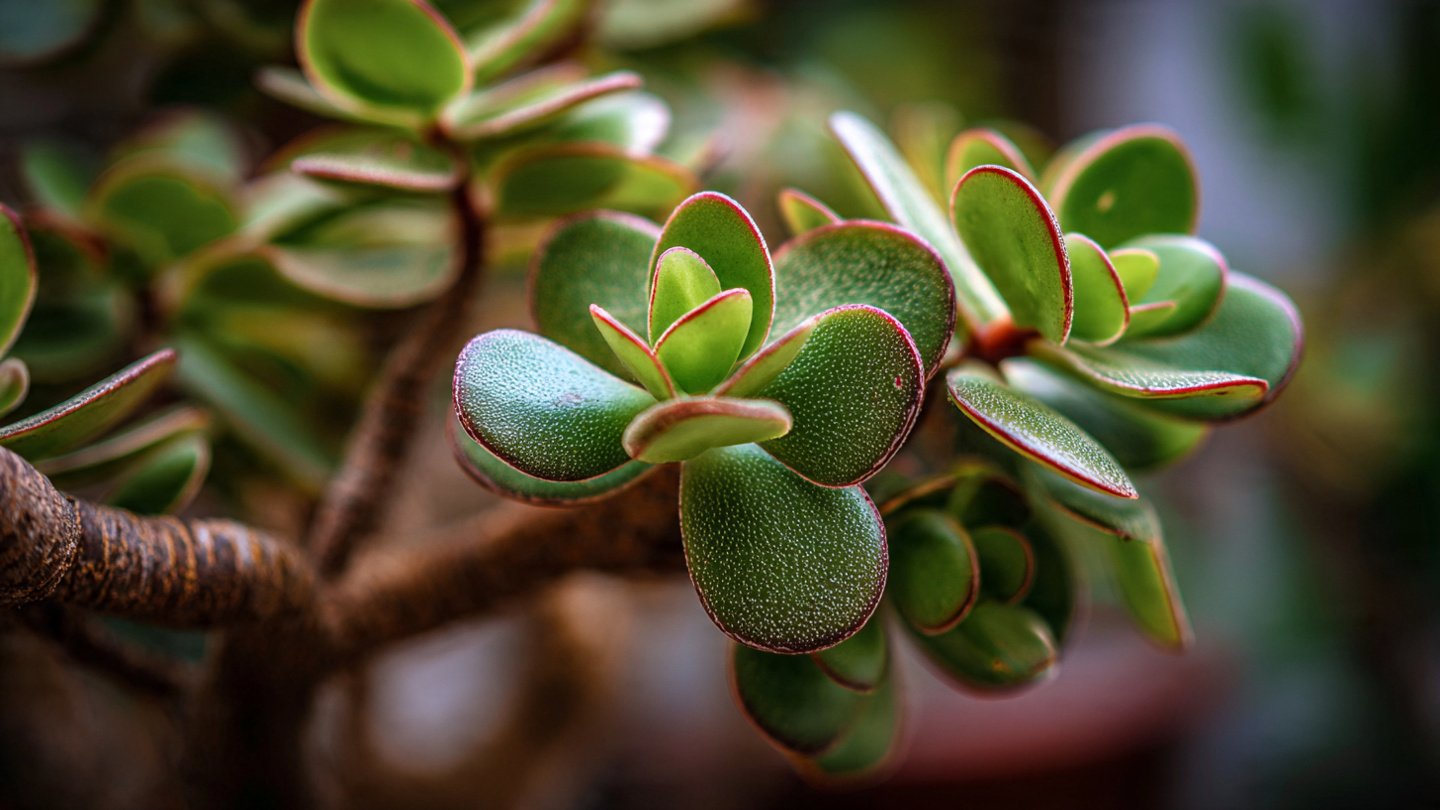
The jade plant (Crassula ovata) is a succulent native to South Africa and Mozambique. With its thick, woody stems and glossy, oval-shaped leaves that resemble jade stones, this plant has earned several charming nicknames including the money plant, lucky plant, and friendship tree.
This low-maintenance beauty can grow anywhere from a few inches to several feet tall. Its leaves store water, making it incredibly resilient and perfect for beginners. The plant occasionally produces small white or pink star-shaped flowers, though this typically happens only when the plant is mature and receives proper care.
What makes the jade plant particularly special is its longevity. With proper care, these plants can live for decades, even becoming family heirlooms passed down through generations. Some specimens have been known to thrive for over 100 years.
The Feng Shui Philosophy Behind Jade Plants
Feng shui is an ancient Chinese practice dating back over 3,000 years. The term literally translates to “wind and water,” and the philosophy focuses on harmonizing individuals with their surrounding environment through strategic placement of objects and elements.
In feng shui principles, the jade plant holds significant symbolic value. The round, coin-shaped leaves represent wealth and prosperity, while the plant’s vibrant green color symbolizes growth, renewal, and vitality. The jade plant is believed to activate financial energies and attract abundance into your space.
According to feng shui masters, plants with rounded leaves (like the jade plant) are preferable to those with sharp, pointed leaves because they promote positive chi (energy flow) rather than creating harsh energy. The jade plant’s sturdy growth pattern also represents stability and strong foundations, both financially and personally.
Scientific Perspective on Jade Plants and Well-Being
While feng shui is rooted in tradition and spirituality, modern science has discovered that indoor plants, including jade plants, do offer measurable benefits to our well-being.
Research published by NASA’s Clean Air Study shows that indoor plants can improve air quality by removing toxins. While jade plants weren’t specifically tested in that study, similar succulents have demonstrated air-purifying capabilities.
A study from the University of Technology Sydney found that indoor plants can reduce stress levels by up to 37%, lower anxiety by 44%, and decrease fatigue by 38%. The simple act of caring for plants has been shown to improve mood and create a sense of accomplishment.
The psychological benefits are particularly interesting. When we place a jade plant in our home with the intention of attracting prosperity, we may subconsciously become more aware of financial opportunities and make better decisions. This is known as the “self-fulfilling prophecy” effect.
Environmental psychologists suggest that having plants in our living and working spaces can boost productivity by 15% and enhance creativity. So while a jade plant might not magically generate wealth, it can create an environment that supports better decision-making and mental clarity.
Best Placement for Jade Plant Feng Shui
If you’re ready to harness the potential feng shui benefits of a jade plant, placement is everything. Here are the most auspicious locations according to feng shui principles:
Southeast Corner for Wealth
The southeast corner of your home or office is considered the wealth and abundance sector in feng shui. Placing your jade plant here is believed to activate financial energy and attract prosperity. Make sure this area is clean, well-lit, and clutter-free to allow positive energy to flow freely.
East Side for Health and Family
The eastern area of your space represents health and family harmony. A jade plant positioned here can promote well-being and strengthen family bonds. This placement is particularly beneficial if you’re dealing with health concerns or family relationship challenges.
Near the Main Entrance
Many feng shui practitioners recommend placing a jade plant near your front door, but slightly to the side rather than directly blocking the entrance. This position allows the plant to welcome positive energy while attracting opportunities. However, make sure it doesn’t obstruct the doorway, as blocked entrances prevent good chi from entering.
Office Desk or Workspace
For career success and business prosperity, place a small jade plant on your office desk, preferably in the southeast corner of your workspace. This is especially popular among entrepreneurs and business owners who want to activate financial growth in their professional lives.
Avoid These Locations
According to feng shui principles, avoid placing jade plants in bathrooms, bedrooms, or the center of your home. Bathrooms are associated with draining energy, bedrooms should promote rest rather than active growth energy, and the center should remain open for chi circulation.
How to Care for Your Jade Plant
A healthy, thriving jade plant is essential for feng shui benefits. A dying or neglected plant is believed to have the opposite effect, draining energy rather than enhancing it. Here’s how to keep your jade plant in peak condition:
Light Requirements
Jade plants need bright, indirect sunlight for at least four to six hours daily. A south-facing window is ideal, but east or west-facing windows work well too. Too little light causes leggy growth and leaf drop, while too much direct sunlight can scorch the leaves.
Watering Schedule
The biggest mistake people make is overwatering. Jade plants are succulents and store water in their leaves. Water thoroughly when the top two inches of soil are completely dry, usually every two to three weeks. During winter, reduce watering to once a month. Overwatering leads to root rot, the most common cause of jade plant death.
Soil and Potting
Use well-draining succulent or cactus soil mix. Regular potting soil retains too much moisture. Ensure your pot has drainage holes to prevent water accumulation. Terracotta pots are excellent choices because they absorb excess moisture and allow the soil to dry properly.
Temperature and Humidity
Jade plants prefer temperatures between 65-75°F (18-24°C) during the day and slightly cooler at night. They can tolerate temperatures down to 50°F (10°C) but should be protected from frost. Average household humidity is fine, as these plants don’t require extra moisture.
Fertilizing
Feed your jade plant with a diluted balanced fertilizer (10-10-10) once every three to four months during the growing season (spring and summer). Avoid fertilizing in fall and winter when the plant is dormant. Over-fertilizing can damage the roots and cause leaf burn.
Pruning and Shaping
Regular pruning encourages bushier growth and maintains the plant’s attractive shape. Remove dead or dying leaves promptly. You can shape your jade plant into a small tree form, which many people find especially appealing for feng shui purposes.
Common Jade Plant Varieties for Feng Shui
While Crassula ovata is the classic jade plant, several varieties are used in feng shui practices:
Standard Jade Plant (Crassula ovata) – The most common variety with rounded green leaves, sometimes with red edges. This is the traditional choice for feng shui.
Gollum Jade (Crassula ovata ‘Gollum’) – Features tubular leaves that look like suction cups. The unique appearance is considered auspicious for attracting and “holding” wealth.
Hobbit Jade (Crassula ovata ‘Hobbit’) – Similar to Gollum jade but with curled leaves. Both Hobbit and Gollum varieties are named after Tolkien characters and are equally powerful for feng shui purposes.
Tricolor Jade – Displays cream, green, and pink coloring on its leaves. The varied colors are believed to attract diverse forms of prosperity beyond just financial wealth.
Real User Experiences with Jade Plant Feng Shui
While scientific evidence for feng shui’s specific claims is limited, many people report positive experiences after introducing jade plants into their homes.
Sarah from California shared her story: “I placed a jade plant in the southeast corner of my office three years ago. Whether it’s coincidence or not, my business revenue increased by 40% that year. More importantly, having the plant made my office feel more peaceful and helped me think more clearly.”
Marcus from New York noted: “I was skeptical at first, but caring for my jade plant became a daily ritual that grounded me. I can’t say it magically brought money, but it definitely made me more mindful about my finances and environment.”
These anecdotes highlight an important point: the real power might lie not in mystical properties but in the mindfulness and positive intentions that come with incorporating feng shui practices into daily life.
Jade Plant Symbolism Across Different Cultures
The jade plant’s association with prosperity isn’t limited to Chinese feng shui. Various cultures have embraced this succulent for its symbolic meanings:
In South Africa, where the plant originates, it’s known as the “money tree” and is often given as a housewarming gift to bring good fortune to new homeowners.
Korean culture associates the jade plant with friendship and hospitality, making it a popular gift for new friends or to celebrate deepening relationships.
In Western countries, the jade plant has become a symbol of good luck and financial success, often displayed in businesses, banks, and offices. Many entrepreneurs keep jade plants near their cash registers or in reception areas.
The universal appeal of the jade plant suggests that its symbolism taps into something deeper than cultural superstition—perhaps our shared human desire for growth, stability, and prosperity.
Addressing Common Myths and Misconceptions
Let’s tackle some widespread myths about jade plant feng shui:
Myth: The bigger the plant, the more wealth you’ll attract. Reality: Size doesn’t matter in feng shui. A small, healthy jade plant is far more auspicious than a large, struggling one. What matters is the plant’s vitality and your care for it.
Myth: You must receive a jade plant as a gift for it to work. Reality: While receiving a plant as a gift is considered lucky in some traditions, purchasing your own jade plant is equally valid. Your intention and care matter more than how you acquired it.
Myth: Jade plants will instantly solve financial problems. Reality: Feng shui is not magic. The jade plant serves as a reminder of your financial intentions and creates a positive environment, but real prosperity comes from hard work, smart decisions, and practical action.
Myth: A dying jade plant means you’ll lose money. Reality: A struggling plant usually indicates care issues like overwatering or poor light. Address the plant’s needs rather than viewing it as a bad omen. Most jade plants can be revived with proper care.
Creating a Prosperity Ritual with Your Jade Plant
If you want to fully embrace the jade plant feng shui practice, consider creating a simple ritual:
When you first bring your jade plant home, clean the area where you’ll place it. Wipe down surfaces and remove clutter to create space for positive energy.
As you position the plant, set a clear intention. This doesn’t have to be elaborate—simply state what you hope to invite into your life, whether it’s financial stability, business growth, or general abundance.
Make caring for your jade plant a mindful practice. When you water it, take a moment to appreciate its growth and reflect on your own goals. This creates a positive association between the plant and your aspirations.
Some practitioners tie red or gold ribbons around the pot, as these colors symbolize prosperity in feng shui. Others place coins in the soil or beneath the pot to reinforce the wealth symbolism.
The Verdict on Jade Plant Feng Shui
So, is jade plant feng shui fact or myth? The answer lies somewhere in the middle.
From a purely scientific standpoint, there’s no evidence that jade plants possess supernatural abilities to attract wealth. However, the benefits of indoor plants on mental health, air quality, and overall well-being are well-documented.
The real magic of jade plant feng shui might be in what psychologists call “intentional living.” When you deliberately place a plant to attract prosperity, you become more conscious of your financial goals and environment. This heightened awareness can lead to better decisions and opportunities you might otherwise miss.
Whether you view it as ancient wisdom or practical psychology, incorporating a jade plant into your space with thoughtful placement and care can create a more harmonious environment. And if that environment helps you feel more focused, peaceful, and motivated—isn’t that a form of prosperity in itself?
Final Thoughts
The jade plant is more than just a decorative succulent. It’s a living symbol of growth, resilience, and abundance that has captured human imagination across cultures and centuries. Whether you believe in feng shui’s mystical properties or simply appreciate the psychological benefits of intentional living, a jade plant can be a beautiful addition to your home or office.
Start with a healthy plant, place it thoughtfully, care for it consistently, and approach the practice with an open mind. You might not find coins magically appearing in your wallet, but you’ll likely discover something more valuable: a greater sense of mindfulness, a more pleasant living space, and perhaps a new appreciation for the simple act of nurturing life.
Remember, true prosperity comes from within—from our actions, decisions, and mindset. The jade plant is simply a green companion on that journey, reminding us daily to grow, adapt, and thrive.
Have you tried placing a jade plant in your home? Share your experience in the comments below! And if you found this article helpful, share it with friends who might be curious about feng shui and indoor plants. Let’s grow together!
Disclaimer: This article is for informational and entertainment purposes. Feng shui is a traditional practice not scientifically proven to affect financial outcomes. Always consult financial professionals for money matters and horticultural experts for specific plant care questions.


