

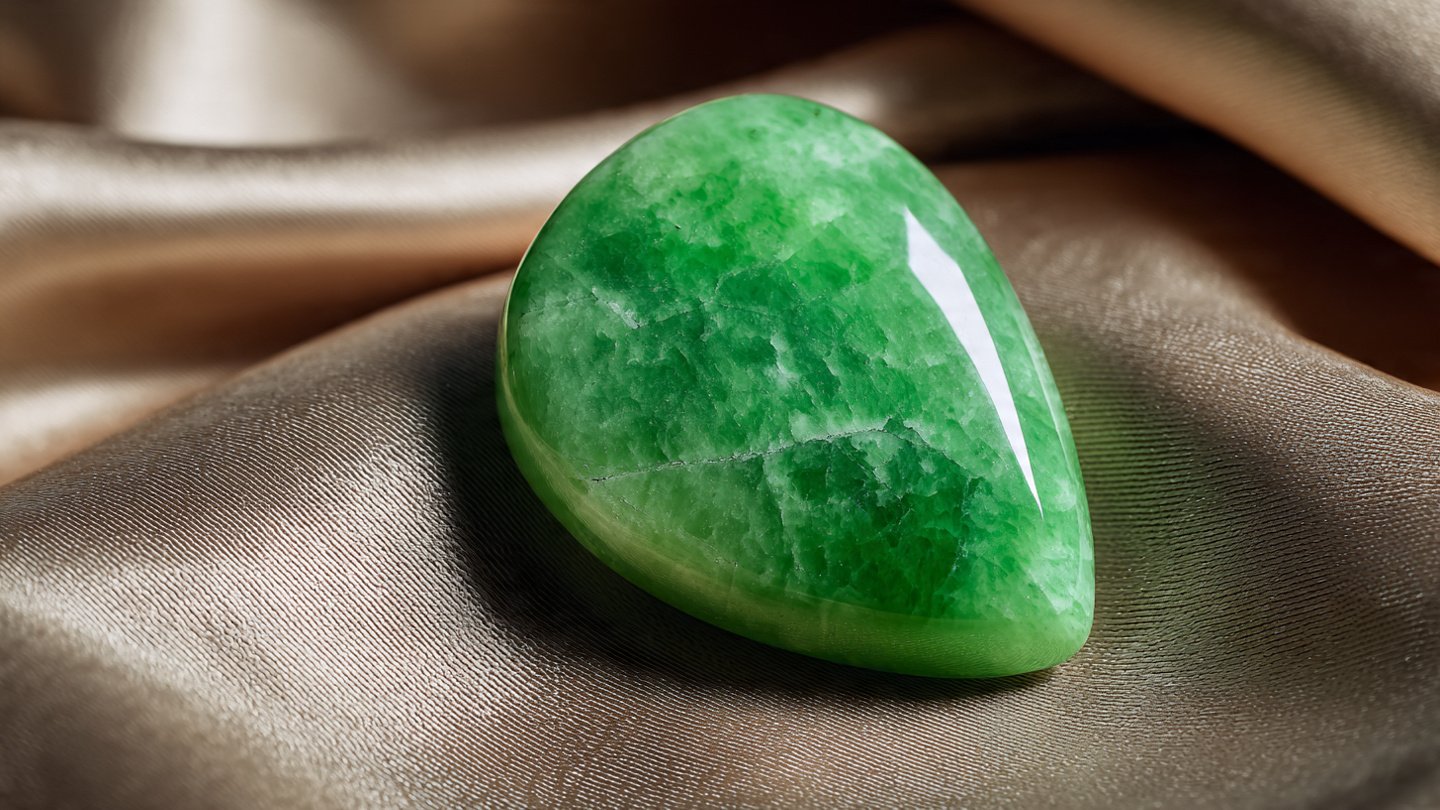
Among all the varieties of jade, few capture the eye quite like apple green jade. This fresh, vibrant variety of jade resembles the crisp, bright green of a Granny Smith apple—hence its fitting name. Whether you’re considering an apple green jade necklace, interested in apple green jadeite specifically, or simply curious about apple jade stone, this comprehensive guide will help you understand what makes this particular jade variety so special and sought after.
What Is Apple Green Jade?
Apple green jade refers to jade displaying a light to medium green color with a fresh, bright appearance reminiscent of green apples. This apple jade stone stands out for its cheerful, youthful energy compared to darker or more muted jade varieties.
Defining Characteristics
Color: Bright, fresh green similar to Granny Smith apples—lighter and more vivid than forest green, yet deeper than pale celadon
Tone: Medium lightness—not too dark, not too pale
Saturation: Good color intensity without being overly deep
Appearance: Often has excellent translucency, allowing light to penetrate and create a glowing effect
Feel: The characteristic smooth jade texture that feels cool and substantial
The apple green jade color occupies a sweet spot in the jade spectrum—bright enough to be eye-catching, yet natural enough to maintain jade’s traditional aesthetic appeal.
Apple Green Jadeite vs. Apple Green Nephrite
When discussing apple green jade, it’s important to distinguish between the two types of jade mineral that can display this attractive color.
Apple Green Jadeite
Apple green jadeite represents the more valuable variety and is highly prized in the jade market.
Characteristics:
- Higher translucency than nephrite
- Brighter, more vivid coloration
- Slightly harder (6.5-7 on Mohs scale)
- Often more expensive per carat
- Primarily from Myanmar (Burma)
- May show more glass-like luster when polished
Value: Fine apple green jadeite commands significant prices, especially pieces with excellent translucency and even color distribution. An apple green jade necklace made from quality jadeite can range from hundreds to tens of thousands of dollars depending on quality.
Market Position: Apple green jadeite ranks below Imperial jade (deep emerald green) but above many other jade colors in terms of desirability and value.
Apple Green Nephrite
Apple green nephrite offers similar color at generally more accessible prices.
Characteristics:
- More opaque than jadeite
- Slightly softer color intensity
- Tougher and more durable structure
- More affordable pricing
- Found in multiple locations worldwide
- Typically shows waxy or greasy luster
Value: Apple green nephrite provides an excellent option for those seeking the apple jade stone appearance without jadeite’s premium pricing. Jewelry and carvings in apple green nephrite range from affordable to moderately priced.
Both types of apple green jade have their merits—jadeite for collectors and those seeking investment pieces, nephrite for practical jewelry and larger carvings.
What Creates the Apple Green Color?
The distinctive apple green jade color results from specific trace elements present during the stone’s formation.
In Apple Green Jadeite
Iron Content: The primary coloring agent in apple green jadeite is iron (Fe²⁺ and Fe³⁺). The concentration and oxidation state of iron determine whether jade appears dark green, apple green, or other shades.
Optimal Balance: Apple green jadeite contains enough iron to create vibrant color without the excess that would produce darker tones.
Chromium Absence: Unlike Imperial jade (colored by chromium), apple green jadeite lacks significant chromium, which would create deeper emerald tones.
Crystal Structure: The way light interacts with jadeite’s crystalline structure enhances the bright, fresh appearance of apple jade stone.
In Apple Green Nephrite
Iron in Actinolite: Apple green nephrite forms from actinolite, an iron-bearing mineral. Moderate iron content produces the characteristic apple green shade.
Fibrous Structure: Nephrite’s interlocking fibrous crystals scatter light differently than jadeite, creating a softer, more diffused green appearance.
Natural Variation: Apple green nephrite often shows subtle color variations within a single piece, adding character to the apple jade stone.
Quality Factors in Apple Green Jade
Not all apple green jade is created equal. Several factors determine quality and value.
Color Quality
Uniformity: Even color distribution throughout the apple jade stone increases value. Mottling, dark spots, or uneven coloring reduce quality.
Intensity: The color should be vivid and saturated. Pale, washed-out green or muddy tones are less desirable.
True Apple Green: The most valued pieces display that characteristic fresh green without brown, gray, or yellow undertones.
Consistency: Color should remain stable under different lighting conditions. Some lower-quality jade changes appearance dramatically under different lights.
Translucency
Translucency dramatically affects apple green jade value:
Semi-Transparent: Light passes through clearly, creating a luminous glow. Most valuable.
Translucent: Light penetrates the stone, giving it depth and vitality. Highly desirable.
Semi-Translucent: Some light passes through at the edges. Good quality.
Opaque: No light penetration. Lower value, though still attractive.
An apple green jade necklace with excellent translucency will glow beautifully when worn, as light passes through each bead.
Texture
Fine Grain: Smooth, even texture without visible granularity. Most desirable.
Medium Grain: Slight texture visible under close inspection. Acceptable quality.
Coarse Grain: Visible graininess that affects polish quality. Lower value.
Fine-textured apple green jadeite takes a superior polish, enhancing its glass-like appearance and brilliance.
Clarity
Eye-Clean: No visible inclusions, cracks, or flaws to the naked eye. Premium quality.
Minor Inclusions: Small imperfections visible only under magnification. Good quality.
Visible Flaws: Cracks, black spots, or inclusions apparent to the naked eye. Lower quality.
A flawless apple green jade necklace of significant size represents exceptional rarity and value.
Size and Cut
Size Matters: Larger pieces of fine-quality apple green jade are exponentially more valuable. Finding a large, flawless apple jade stone is exceptionally rare.
Cut Quality: Well-proportioned cabochons, evenly sized beads, and expertly carved pieces command higher prices than poorly shaped items.
Polish: Superior polish enhances translucency and reveals the true beauty of apple green jade.
Apple Green Jade Jewelry
Apple green jade’s fresh, appealing color makes it perfect for various jewelry styles.
Apple Green Jade Necklace
The apple green jade necklace represents one of the most popular and traditional jade jewelry forms.
Bead Necklaces:
- Graduated beads (larger center, smaller toward clasp) showcase color and translucency
- Uniform bead sizes create contemporary, elegant appearance
- Single strand or multiple strands
- Bead sizes typically range from 6mm to 14mm or larger
- Quality varies from commercial grade ($100-500) to investment grade ($5,000-50,000+)
Pendant Necklaces:
- Single apple jade stone pendant on chain or cord
- Can feature carved designs (Buddha, flowers, animals)
- Cabochon-cut pendants showcase translucency
- Often set in gold, silver, or platinum
- Price depends on jade quality and setting: $50-10,000+
Princess Necklaces:
- Traditional long jade bead strands
- Can be worn as single long strand or doubled
- Classic, timeless style
- Often passed down as family heirlooms
Care Considerations: An apple green jade necklace should be stored separately from harder gemstones to prevent scratching, though jade’s toughness protects it from most daily wear damage.
Apple Green Jade Rings
Cabochon Rings: Smooth, dome-shaped apple jade stone set in various metal settings
Carved Rings: Feature traditional motifs or modern designs carved into the jade
Band Rings: Jade carved as the entire ring band (requires exceptional material)
Settings: Yellow gold complements apple green jade beautifully, while white gold and platinum create contemporary contrast
Apple Green Jade Earrings
Stud Earrings: Simple cabochons or carved pieces, perfect for daily wear
Drop Earrings: Dangling jade pieces that catch light and showcase translucency
Hoop Earrings: Jade inlaid into metal hoops or carved jade hoops
Button Earrings: Traditional rounded designs, often with gold settings
Apple Green Jade Bracelets
Bangle Bracelets: Carved from a single piece of apple green jadeite (most traditional and valuable)
Beaded Bracelets: Elastic or strung beads, accessible and popular
Link Bracelets: Individual jade pieces connected by metal links
Cuff Bracelets: Wide bands of apple jade stone or jade-inlaid cuffs
Traditional Significance: In Chinese culture, jade bangles are believed to protect the wearer and bring good fortune. Many receive them as gifts from family members.
Other Apple Green Jade Jewelry
Brooches and Pins: Vintage apple jade stone brooches feature intricate designs
Cufflinks: Masculine jewelry option, often featuring cabochon apple green jade
Hair Accessories: Jade hairpins and hair sticks, traditional in Asian cultures
Apple Green Jade Carvings and Art Objects
Beyond jewelry, apple green jade serves as material for beautiful carvings and decorative objects.
Traditional Carvings
Buddha Figures: Apple green jade Buddha carvings symbolize peace, enlightenment, and prosperity
Animals: Dragons, phoenixes, fish (koi), elephants, and other auspicious creatures
Fruits and Vegetables: Cabbages, peaches, and gourds representing wealth and longevity
Flowers: Lotus, peony, and other blooms with symbolic meanings
Human Figures: Guanyin (Goddess of Mercy), laughing Buddha, wise men
The lighter color of apple jade stone makes it ideal for carvings where detail and texture are important—the bright surface shows carved details more clearly than darker jade.
Modern Art Pieces
Contemporary artists create innovative apple green jade sculptures:
Abstract Forms: Modern interpretations showcasing jade’s natural beauty
Functional Art: Boxes, containers, and vessels combining utility with aesthetics
Jewelry Art: Wearable art pieces pushing traditional boundaries
Miniature Sculptures: Small-scale detailed works
Decorative Objects
Vases and Vessels: Ranging from small ornamental pieces to substantial display items
Screens and Panels: Thin jade slices creating translucent decorative panels
Boxes and Containers: Jewelry boxes, trinket boxes with jade lids or inlays
Scholar’s Objects: Traditional items like brush rests, paperweights, seals
Where Apple Green Jade Comes From
Understanding sources helps evaluate apple green jadeite and nephrite quality.
Apple Green Jadeite Sources
Myanmar (Burma): The premier source for fine apple green jadeite. The Hpakan mines in Kachin State produce the world’s finest jadeite, including excellent apple green specimens.
Guatemala: Produces jadeite including some apple green shades, though typically less translucent than Burmese material.
Russia: Limited jadeite deposits occasionally yield apple green stones.
Japan: Historical source of jadeite including apple green varieties, though deposits are largely depleted.
Myanmar jadeite remains the gold standard—when buying premium apple green jade, Burmese origin significantly enhances value.
Apple Green Nephrite Sources
China: Nephrite deposits in Xinjiang, Qinghai, and other provinces produce various colors including apple green.
Russia: Siberian nephrite deposits yield quality apple green material.
Canada: British Columbia produces nephrite in various shades including lighter greens.
New Zealand: While famous for darker greenstone (pounamu), some deposits include lighter green material.
Other Locations: Australia, Poland, Switzerland, and the United States have nephrite deposits that occasionally produce apple green shades.
Buying Apple Green Jade: What to Know
Purchasing apple green jade requires knowledge to ensure authenticity and fair value.
Authenticity Concerns
Type A vs. Treated Jade:
- Type A: Natural, untreated apple green jade (most valuable)
- Type B: Bleached and polymer-impregnated (50-90% less valuable)
- Type C: Dyed to achieve or enhance green color (90%+ less valuable)
- Type B+C: Both bleached/filled and dyed (minimal value)
Always ask about treatment. Reputable dealers disclose treatment status. For expensive pieces, request laboratory certification from recognized institutions like GIA.
Common Imitations:
- Dyed Quartzite: Often sold as “jade” but completely different mineral
- Glass: Molded green glass can mimic jade appearance
- Plastic: Low-quality imitations, usually obvious upon handling
- Serpentine: Similar appearance but much softer (can be scratched with knife)
- Chrysoprase: Green chalcedony sometimes confused with jade
Testing Apple Green Jade
Professional Testing: For significant purchases, laboratory certification provides peace of mind. GIA, GRS, and other gemological labs can confirm authenticity and treatment status.
At-Home Indicators (not definitive but helpful):
- Weight: Real jade feels heavy and substantial for its size
- Temperature: Jade feels cool to touch and stays cool longer than glass
- Sound: Tapping jade produces a musical, resonant tone (especially nephrite)
- Scratch Test: Jade cannot be scratched by steel knife (dangerous—may damage piece)
- Texture: Real apple jade stone has smooth, slightly greasy feel
Red Flags:
- Price too good to be true
- Seller reluctant to discuss origin or treatment
- Perfect color uniformity in large pieces (suggests dyeing)
- Too light in weight
- Easily scratched surface
Price Expectations
Apple green jade prices vary enormously based on quality:
Apple Green Jadeite:
- Commercial quality jewelry: $100-1,000
- Good quality pieces: $1,000-10,000
- Fine quality apple green jade necklace: $10,000-50,000
- Investment grade specimens: $50,000-500,000+
Apple Green Nephrite:
- Commercial quality: $20-200
- Good quality: $200-2,000
- Fine quality pieces: $2,000-10,000
- Exceptional antique carvings: $10,000+
Factors Increasing Price:
- Larger size with consistent quality
- Superior translucency
- Even color distribution
- Type A (untreated) certification
- Burmese origin (for jadeite)
- Fine craftsmanship in carvings
- Historical provenance
Caring for Your Apple Green Jade
Proper care ensures your apple jade stone maintains its beauty for generations.
Daily Care
Wearing: Jade is durable enough for daily wear, though remove during strenuous activities, housework, or gardening.
Storage: Store apple green jade jewelry in soft cloth pouches or separate compartments. While jade is tough, it can scratch softer gemstones and be scratched by harder ones (diamonds, sapphires).
Handling: Handle with clean hands. Skin oils, lotions, and cosmetics can build up on jade surface over time.
Cleaning
Regular Cleaning:
- Lukewarm water and mild soap
- Soft cloth or soft brush
- Gentle circular motions
- Rinse thoroughly
- Dry completely with soft cloth
What to Avoid:
- Harsh chemicals or cleaners
- Ultrasonic cleaners (may damage treated jade)
- Steam cleaners
- Abrasive materials
- Extreme temperature changes
- Prolonged soaking
Frequency: Clean your apple green jade necklace or other jewelry monthly or whenever it appears dull.
Professional Care
Annual Inspection: Have valuable pieces checked by jewelers annually for:
- Loose settings
- Worn prongs or clasps
- String integrity (for bead necklaces)
- General condition
Restringing: Bead necklaces should be professionally restrung every 1-2 years or when string shows wear.
Professional Cleaning: Jewelers can safely clean jade and restore polish if needed.
Cultural and Symbolic Meaning
Apple green jade carries significant symbolism across cultures.
Chinese Symbolism
Youth and Vitality: The fresh, bright color represents youthfulness, new beginnings, and life energy.
Growth and Prosperity: Like spring leaves and new growth, apple green jade symbolizes financial growth and increasing fortune.
Harmony and Balance: The pleasant, moderate green represents balanced living and harmonious relationships.
Heart Connection: Green jade associates with the heart, representing love, compassion, and emotional well-being.
Modern Meanings
Fresh Starts: Many choose apple green jade when beginning new life chapters—new jobs, marriages, moves.
Natural Connection: The color evokes nature, gardens, and environmental harmony.
Optimism: The bright, cheerful shade represents positive thinking and hopeful outlooks.
Personal Growth: Apple jade stone symbolizes personal development and self-improvement.
Feng Shui Applications
In feng shui practice, apple green jade:
- Attracts abundance and prosperity when placed in wealth corners
- Promotes health and vitality in family areas
- Encourages growth in career zones
- Enhances love and relationships when placed in romance corners
Apple Green Jade vs. Other Jade Colors
Understanding how apple green jade compares to other varieties helps appreciation and valuation.
vs. Imperial Jade
Imperial: Deep emerald green, most valuable, rarest, intense color from chromium
Apple Green: Lighter, brighter, more affordable, fresh appearance, colored by iron
Imperial jade commands premium prices, but fine apple green jadeite offers excellent value with its own distinctive beauty.
vs. Spinach Jade
Spinach: Very dark green with blue or black undertones, opaque, earthy
Apple Green: Light, bright, often translucent, youthful appearance
Spinach jade suits traditional carvings and masculine jewelry, while apple jade stone works beautifully in contemporary, feminine designs.
vs. White Jade
White: Cream to pure white, represents purity, often less translucent
Apple Green: Vibrant color, more typically translucent, energetic feel
Both have strong traditional appreciation, with choice often reflecting personal preference and intended symbolism.
vs. Lavender Jade
Lavender: Purple to lilac tones, spiritual associations, increasingly valuable
Apple Green: Traditional jade color, more widely available, established market
Both represent excellent choices for fine jade jewelry, with lavender gaining popularity among younger collectors.
Investment Potential
For those considering apple green jade as investment:
Advantages:
- Established market with strong demand
- More affordable entry point than Imperial jade
- Strong appreciation in quality pieces
- Broad appeal across cultures
- Durable material that maintains condition
Considerations:
- Requires expertise to identify quality and authenticity
- Market fluctuates based on Chinese economic conditions
- Treatment status dramatically affects value
- Certification essential for investment pieces
- Illiquid asset—may take time to sell at fair price
Best Investment Approach:
- Focus on Type A (untreated) jadeite
- Seek certification from recognized laboratories
- Buy the best quality affordable within budget
- Document provenance and origin
- Maintain proper care and storage
- Consider pieces with artistic or historical significance
Conclusion
Apple green jade occupies a special place in the jade world—bright enough to catch the eye, traditional enough to honor jade’s ancient heritage, and versatile enough to suit both classic and contemporary tastes. Whether you’re drawn to an elegant apple green jade necklace, seeking apple green jadeite for its investment potential, or simply appreciating the natural beauty of apple jade stone, this fresh, vibrant variety offers something truly special.
The appeal of apple green jade transcends mere aesthetics. Its cheerful color brings joy, its smooth texture provides tactile pleasure, and its cultural symbolism connects wearers to thousands of years of jade appreciation. From simple beads to elaborate carvings, apple green jade continues captivating collectors, jewelry lovers, and jade enthusiasts worldwide—a testament to its enduring beauty and timeless charm.


