

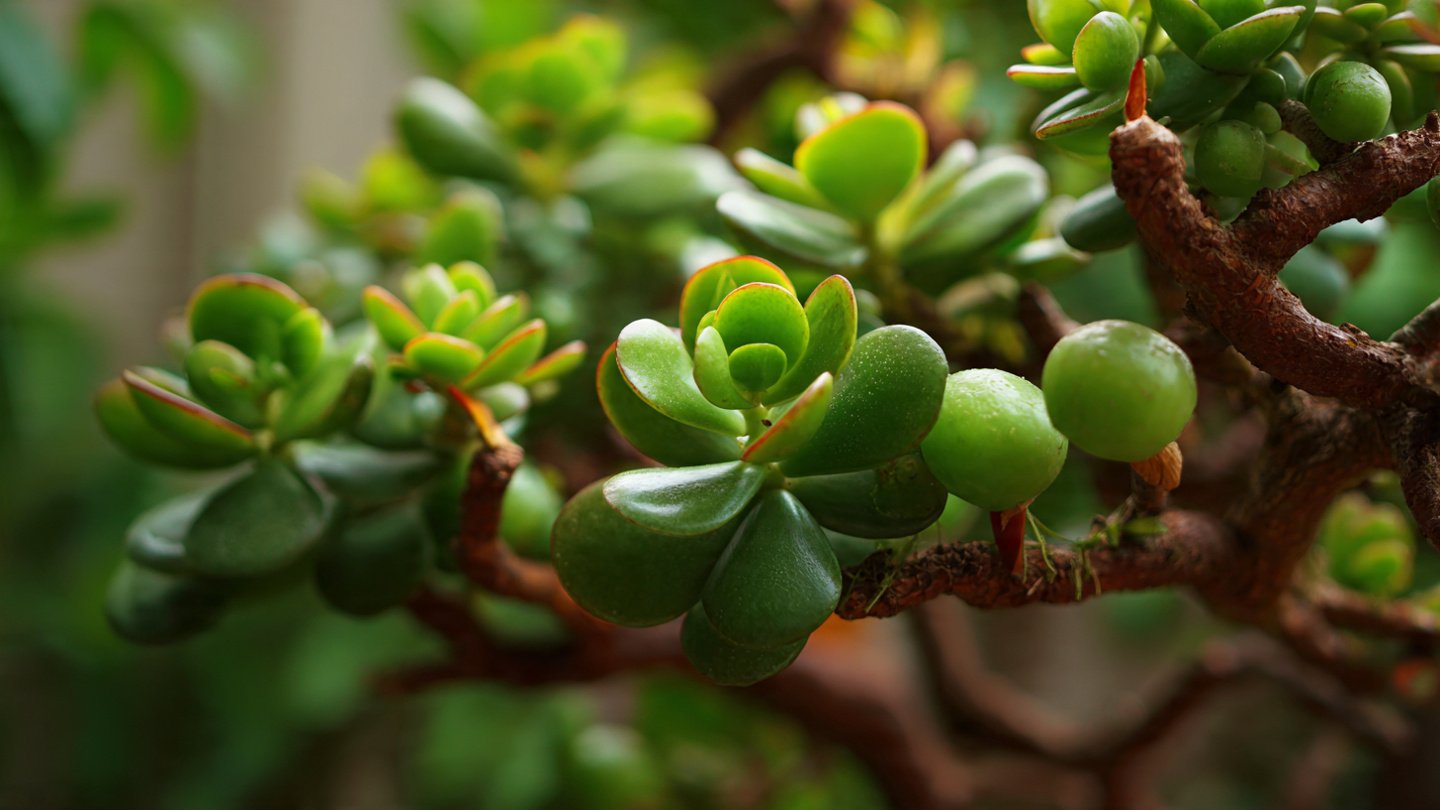
Have you ever wondered why your succulent houseplant shares its name with a precious gemstone? The jade plant sits on millions of windowsills worldwide, while jade stone adorns museums and jewelry collections. This common name creates confusion that puzzles plant lovers and gem enthusiasts alike.
The short answer might surprise you. Despite sharing the same name, jade plants have absolutely no biological or chemical connection to jade stones. This naming coincidence stems from visual similarities that caught someone’s attention centuries ago. Let’s explore the fascinating story behind this mix-up and uncover the truth about both jade plant and jade stone.
Understanding What Jade Stone Actually Is
Before we compare plants and stones, we need to understand what jade stone really means. Many people use the word jade without realizing it describes two completely different minerals.
The Two Types of Jade Stone
Gemologists recognize two distinct minerals as jade. Jadeite contains sodium and aluminum, creating the vibrant emerald greens prized in imperial Chinese jewelry. Nephrite, composed of calcium and magnesium, produces softer green shades and was historically more common.
According to the Gemological Institute of America, both minerals earned the jade name because ancient cultures couldn’t distinguish between them without modern testing equipment. They look similar, feel similar, and served similar cultural purposes despite their different chemical compositions.
Where Jade Stones Come From
Jade forms deep underground under intense pressure and heat. Tectonic plate movements bring these metamorphic rocks closer to the surface over millions of years. Myanmar produces most of the world’s finest jadeite, while nephrite deposits exist in China, New Zealand, Canada, and Russia.
Mining jade requires heavy equipment and geological expertise. Workers extract massive boulders from quarries, then skilled craftspeople evaluate each piece for quality, color, and potential uses. This process has remained largely unchanged for centuries.
What Makes Jade Plant Different
Now let’s turn our attention to the living organism that borrowed the jade name. The jade plant belongs to a completely different category of existence.
The Botanical Identity of Jade Plants
Botanists classify the jade plant as Crassula ovata, a succulent species native to South Africa. This plant belongs to the Crassulaceae family, which includes hundreds of succulent varieties adapted to dry climates.
The Royal Horticultural Society confirms that Crassula ovata evolved in the Eastern Cape and KwaZulu-Natal provinces, where it developed thick, water-storing leaves to survive drought conditions. These fleshy leaves contain living cells, chlorophyll for photosynthesis, and complex biological systems.
Physical Characteristics of Jade Plants
Jade plants grow slowly into small tree-like structures, sometimes reaching three feet tall indoors. Their oval leaves appear glossy and slightly translucent when healthy, displaying various shades of green. Some varieties develop red edges when exposed to stress or bright sunlight.
Unlike jade stone, which remains static and unchanging, jade plants actively grow, reproduce, and respond to their environment. They produce small white or pink flowers under the right conditions, something no mineral could ever accomplish.
Why Do They Share the Same Name
Here’s where our mystery gets interesting. The connection between jade plant and jade stone exists only in human perception, not in nature.
The Color Similarity That Started It All
When European explorers and botanists first encountered Crassula ovata in South Africa during the 1700s, they noticed its glossy green leaves. The shiny, smooth appearance reminded them of polished jade stone, particularly nephrite jade.
Someone, somewhere in botanical history, decided to call this plant the jade plant. The name stuck because it accurately described the visual resemblance. This type of naming happens frequently in botany, where plants get common names based on what they look like rather than scientific relationships.
Other Common Names Tell Different Stories
The jade plant answers to several other names that reveal different cultural perspectives. In some regions, people call it the money tree or lucky plant, believing it brings financial prosperity. Others know it as the friendship tree because cuttings root easily, making it simple to share with friends.
These alternative names have nothing to do with jade stone either. They reflect human traditions, superstitions, and social customs rather than any actual connection to minerals or wealth.
The Scientific Evidence Shows No Connection
Let’s examine the actual facts that prove jade plants and jade stones share nothing except a name.
Chemical Composition Comparison
Jade stones consist of inorganic mineral compounds. Jadeite contains sodium aluminum silicate, while nephrite contains calcium magnesium silicate. These are non-living crystalline structures with fixed chemical formulas.
Jade plants contain organic compounds found in all living organisms. Their cells include water, proteins, carbohydrates, DNA, and countless other complex molecules that enable life processes. The Missouri Botanical Garden confirms that plant cells and mineral crystals have fundamentally incompatible structures.
Formation Process Differences
Jade stone forms through geological processes over millions of years. High pressure and temperature transform existing rocks into jade through metamorphism. This purely physical and chemical process requires no life whatsoever.
Jade plants grow from seeds or cuttings through biological reproduction. They convert sunlight into energy via photosynthesis, absorb nutrients from soil, and follow genetic instructions encoded in their DNA. These processes define living organisms and have zero overlap with mineral formation.
Debunking Common Myths About Jade Plants
Several persistent myths claim connections between jade plants and jade stones. Let’s address these misconceptions with facts.
Myth: Jade Plants Contain Jade Minerals
Some people believe jade plants accumulate jade minerals in their tissues. This is completely false. Plants absorb minerals from soil for nutrition, but they don’t concentrate gemstone materials in their leaves or stems.
Scientific analysis of jade plant tissue reveals ordinary plant compounds. You’ll find water, cellulose, chlorophyll, and typical plant nutrients, but never the silicate minerals that compose jade stones.
Myth: Growing Jade Plants Near Jade Stones Has Special Benefits
No scientific evidence supports claims that jade plants grow better near jade stones. Plants respond to light, water, temperature, and soil conditions. Placing a jade stone nearby provides none of these essential resources.
This myth likely stems from feng shui practices or new age beliefs rather than horticultural science. While such beliefs interest many people, they don’t reflect biological reality.
The Real Value of Jade Plants
Although jade plants lack any connection to valuable gemstones, they offer genuine benefits worth appreciating.
Easy Care Makes Them Perfect Houseplants
Jade plants thrive on neglect, making them ideal for busy people or beginner gardeners. They need water only when the soil dries completely, tolerate low light conditions, and forgive occasional mistakes.
The American Society for Horticultural Science recommends jade plants for improving indoor air quality. Like other succulents, they release oxygen at night, unlike most plants that only photosynthesize during daylight hours.
Longevity Creates Living Heirlooms
Jade plants can live for decades with minimal care. Some enthusiasts report plants over 50 years old, passed down through generations. This longevity allows people to develop relationships with their plants over time.
Unlike jade stones that remain unchanged, jade plants grow and change. They develop character through aging, with thick trunks and branching patterns that make each plant unique.
How to Care for Your Jade Plant
Since we’ve established what jade plants really are, let’s cover proper care to help yours thrive.
Watering Requirements
Water jade plants deeply but infrequently. Allow soil to dry completely between waterings, which might mean watering every two to three weeks. Overwatering causes root rot, the most common killer of jade plants.
In winter, reduce watering frequency further. The plant enters semi-dormancy and needs less moisture. Test soil moisture by sticking your finger two inches deep. If it feels damp, wait longer before watering.
Light and Temperature Needs
Jade plants prefer bright, indirect sunlight. A south-facing window works perfectly in the Northern Hemisphere. They tolerate some direct sun but may develop brown spots from intense afternoon rays.
Temperature-wise, jade plants enjoy the same comfort zone as humans. They handle temperatures between 65-75°F best but tolerate ranges from 55-80°F. Protect them from freezing temperatures, which damage or kill the plant.
Soil and Fertilizer Guidelines
Use well-draining cactus or succulent soil mix. Regular potting soil retains too much moisture, increasing root rot risk. Add perlite or coarse sand to improve drainage if necessary.
Fertilize sparingly during the growing season (spring and summer). Use diluted liquid fertilizer once monthly. Jade plants grow slowly and don’t require heavy feeding. Too much fertilizer causes weak, leggy growth.
The Cultural Significance Worth Noting
While jade plants and jade stones aren’t related, both hold cultural importance in different contexts.
Jade Stone in Cultural History
Jade stone shaped civilizations for thousands of years. Chinese emperors valued it above gold, using it in religious ceremonies and as symbols of imperial power. Mesoamerican cultures also treasured jade, associating it with life and fertility.
Museums worldwide preserve jade artifacts that tell stories of ancient beliefs, artistic achievement, and cultural values. The British Museum and Palace Museum in Beijing house spectacular collections documenting jade’s historical importance.
Jade Plant in Modern Culture
Jade plants entered Western culture much more recently, gaining popularity as houseplants in the 20th century. Their association with good fortune stems from Asian traditions that influenced global plant symbolism.
Today, people gift jade plants for housewarmings, weddings, and business openings. This modern tradition creates its own cultural meaning separate from ancient jade stone significance.
What Science Teaches Us About Names
The jade plant and jade stone situation illustrates important lessons about how we name things in the natural world.
Common Names vs. Scientific Names
Common names like jade plant emerge from observation and human creativity. They help people communicate but sometimes create confusion. Scientific names, like Crassula ovata, provide precision that transcends language barriers.
Botanists use scientific naming systems to avoid exactly this type of confusion. When you see Crassula ovata on a plant label, you know precisely which species you’re getting, regardless of what common name appears alongside it.
Why Visual Similarities Mislead Us
Humans naturally categorize by appearance. This served our ancestors well when identifying edible plants or dangerous animals. However, it can mislead us when applied to unrelated objects that happen to look similar.
The jade plant and jade stone share green coloring and glossy surfaces. These superficial similarities mean nothing about their fundamental nature. One lives and grows, the other formed millions of years ago and will never change except through external forces.
Making the Most of Both Jade Types
Now that you understand the truth, you can appreciate both jade plants and jade stones for what they actually are.
Enjoying Jade Plants as Living Decor
Grow jade plants for their actual benefits. They purify air, require minimal maintenance, and add natural beauty to indoor spaces. Watch them slowly transform over years, developing distinctive shapes.
Propagate them easily by placing leaf cuttings in soil. Share plants with friends to spread the joy of growing these hardy succulents. Build a collection of different Crassula varieties to explore the diversity within this plant family.
Appreciating Jade Stones as Geological Wonders
Value jade stones for their geological rarity and cultural history. Visit museums to see masterfully carved jade artifacts. If purchasing jade jewelry, buy from reputable dealers who provide authenticity certificates.
Learn to distinguish jadeite from nephrite and understand quality factors like color, translucency, and texture. This knowledge helps you appreciate why collectors prize certain pieces over others.
Conclusion: Different Paths, Same Name
The jade plant and jade stone share only a name, nothing more. One represents millions of years of geological processes, the other exemplifies biological adaptation to harsh environments. Both deserve appreciation for their unique qualities rather than imagined connections.
Understanding this distinction helps us think more clearly about the natural world. Common names create poetry and accessibility, but scientific understanding reveals truth. Your jade plant won’t transform into a gemstone, and jade stones won’t sprout leaves.
Next time someone asks whether jade plants relate to jade stones, you can confidently explain the fascinating story behind their shared name. You’ll help dispel a common misconception while sharing interesting facts about both plants and minerals.
Did you learn something new about jade plants and jade stones? Share this article with fellow plant enthusiasts who might wonder about this common naming confusion. Drop a comment below about your own jade plant experiences or jade stone collections. Subscribe to our newsletter for more myth-busting articles about popular houseplants and natural history topics!


