

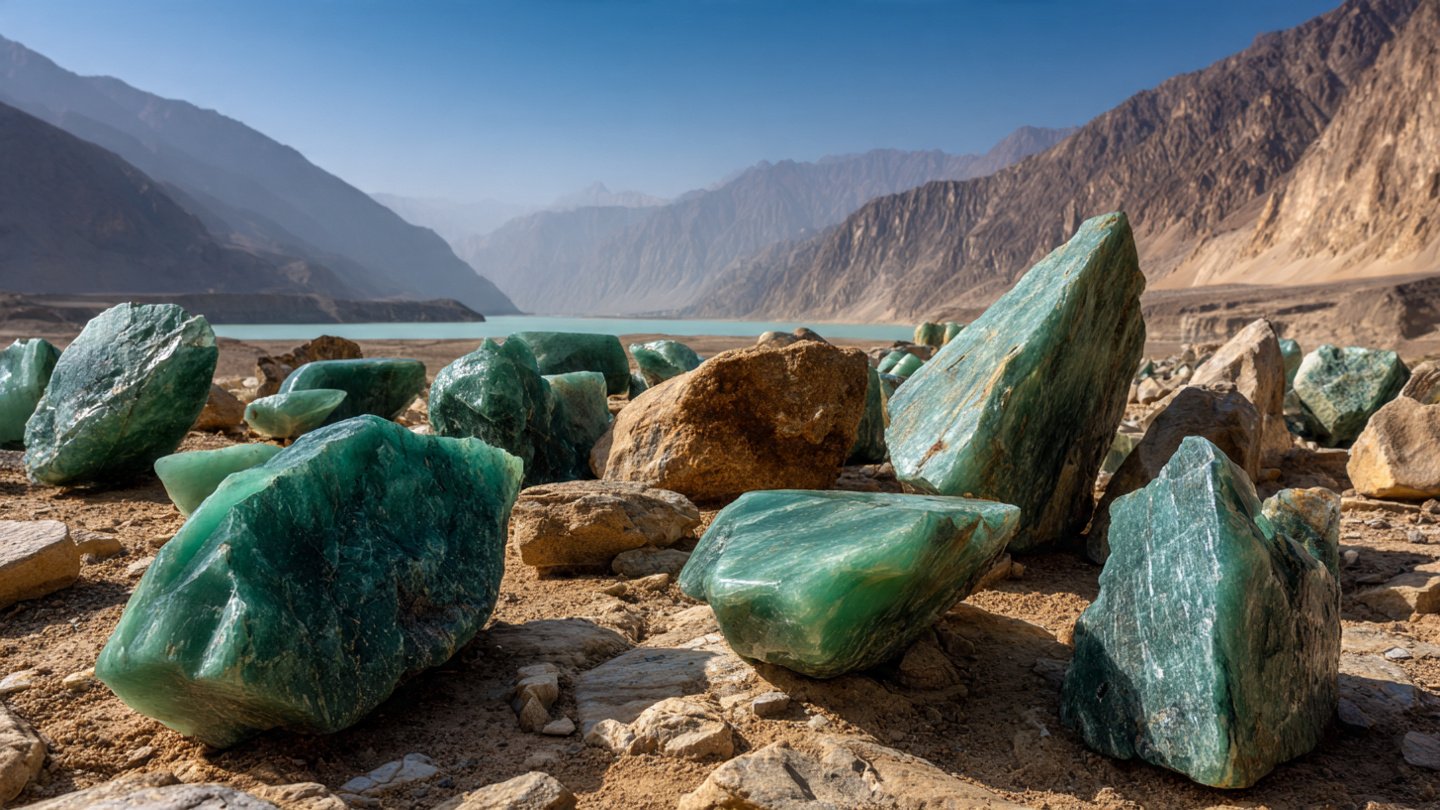
Slovakia, a small yet geologically fascinating country in Central Europe, has captured the attention of mineral enthusiasts and geologists worldwide. While jade isn’t traditionally associated with this landlocked nation, recent discoveries and historical findings have sparked considerable interest. This comprehensive guide explores everything you need to know about jade stone found in Slovakia, including verified locations, geological facts, and what makes these discoveries significant.
What Is Jade and Why Does It Matter?
Before diving into Slovakia’s jade story, let’s understand what makes this stone so special. Jade is a term that encompasses two distinct minerals: nephrite and jadeite. Both share similar appearances but differ significantly in composition and geological formation.
Nephrite consists primarily of calcium and magnesium silicate, while jadeite contains sodium and aluminum. These stones have been treasured for thousands of years across various cultures, particularly in Asia and Mesoamerica, where they symbolize purity, prosperity, and protection.
The stone’s hardness, ranging from 6 to 7 on the Mohs scale, makes it incredibly durable. This toughness, combined with its beautiful green hues, has made jade one of the most sought-after gemstones throughout human history.
The Geological Landscape of Slovakia
Slovakia sits at a geological crossroads where several mountain ranges converge. The country features diverse rock formations, including metamorphic, igneous, and sedimentary rocks formed over millions of years.
The Western Carpathians dominate Slovakia’s terrain, creating complex geological conditions. These mountains formed through tectonic activity, creating high-pressure environments where minerals like jade can potentially develop. The region’s geological history includes volcanic activity, mountain-building processes, and metamorphism—all factors that contribute to unique mineral deposits.
According to the Slovak Geological Survey, the country hosts over 1,200 documented mineral occurrences. This diversity makes Slovakia an interesting destination for mineral collectors and researchers alike.
Historical Context: Jade in Central Europe
Jade discoveries in Central Europe aren’t entirely new. Archaeological evidence shows that prehistoric Europeans valued jade, particularly nephrite axes and tools found in various sites across the continent.
The source of this prehistoric jade remained a mystery for decades until researchers traced some specimens to alpine regions in Austria, Switzerland, and Italy. Slovakia’s geological connection to these alpine systems suggested the possibility of similar deposits within its borders.
During the 20th century, systematic geological surveys in Slovakia focused primarily on economically important minerals like copper, gold, and antimony. Jade, being less commercially significant in Europe compared to Asia, received limited attention until recent years.
Confirmed Locations of Jade in Slovakia
Slovenské Rudohorie Mountains
The Slovenské Rudohorie, or Slovak Ore Mountains, represent one of the most mineralogically diverse regions in Slovakia. This area, located in central and eastern Slovakia, has produced various metamorphic rocks under suitable pressure and temperature conditions.
Geologists have reported finding nephrite-type jade in serpentinite formations within this mountain range. Serpentinite rocks form when ultramafic rocks undergo metamorphism in the presence of water, creating the perfect environment for nephrite formation.
These occurrences are typically small-scale and not concentrated enough for commercial mining. However, they hold significant scientific value for understanding the region’s geological evolution.
Western Carpathians Region
The Western Carpathians, particularly areas near the Slovak-Austrian border, have yielded occasional jade specimens. These findings typically occur in stream beds and alluvial deposits, suggesting that the original source rocks may be located at higher elevations.
Mineral collectors have discovered small jade pebbles in rivers draining from metamorphic complexes. These water-worn specimens indicate natural weathering and transportation from their primary sources.
Veporské Vrchy Mountains
The Veporské Vrchy, part of the central Slovak volcanic range, presents another interesting location. While not primarily known for jade, this area’s complex metamorphic history creates conditions where jade-related minerals can occasionally form.
Local rockhounds and amateur geologists have reported finding greenish stones resembling jade in this region. However, proper mineralogical analysis is essential to distinguish true jade from similar-looking minerals like serpentine or green marble.
How to Identify Jade in Slovakia
Finding jade requires knowledge, patience, and the ability to distinguish it from similar minerals. Here’s what you should know:
Visual Characteristics
True jade displays a characteristic translucent to opaque appearance with colors ranging from white and cream to various shades of green. The stone should have a smooth, somewhat greasy luster when polished.
In Slovakia, jade specimens tend toward lighter green or grayish-green colors, different from the intense emerald greens associated with Burmese jadeite. This coloration reflects the specific chemical composition of Slovak nephrite.
Physical Testing Methods
The density test provides a reliable preliminary check. Jade feels notably heavy for its size due to its specific gravity of approximately 2.9 to 3.4. Compare suspected jade specimens with similar-sized common rocks—jade should feel significantly heavier.
The scratch test can help, but use caution. Jade’s hardness means it shouldn’t scratch easily with a knife blade. However, avoid damaging potentially valuable specimens.
Professional Verification
For definitive identification, consult with gemological laboratories or mineral experts. The Slovak Academy of Sciences and several universities offer mineralogical analysis services. These professionals use techniques like X-ray diffraction and spectroscopy to confirm jade’s identity conclusively.
Legal Considerations for Mineral Collecting in Slovakia
Before embarking on a jade-hunting expedition in Slovakia, understand the legal framework governing mineral collection.
Slovak law protects certain geological sites and restricts mineral collecting in protected areas, national parks, and nature reserves. Always verify the legal status of your intended collecting location.
For recreational collecting on public lands outside protected areas, small-scale personal collection is generally permitted. However, commercial collection or large-scale operations require permits from relevant authorities.
Private property requires explicit permission from landowners. Trespassing laws apply strictly, and violators face potential fines or legal action.
The Ministry of Environment of the Slovak Republic oversees geological heritage protection. Their website provides updated information about protected sites and collection regulations.
The Scientific Significance of Slovak Jade
Slovak jade discoveries, while not commercially significant, offer valuable insights into Central European geology. These findings help scientists understand metamorphic processes and the region’s tectonic history.
Research published in geological journals has examined Slovak serpentinites and associated minerals, contributing to broader knowledge about Alpine-Carpathian geology. Each jade specimen tells a story about pressure, temperature, and time—millions of years compressed into a single stone.
Universities in Slovakia, particularly Comenius University in Bratislava, conduct ongoing research into the country’s mineralogy. Their work helps map the distribution of various minerals and understand geological processes that created Slovakia’s diverse landscape.
Comparing Slovak Jade to World-Famous Sources
How does Slovak jade compare to specimens from renowned locations like Myanmar, Guatemala, or New Zealand?
Quality and Color
Slovak nephrite typically exhibits more subdued colors compared to premium Burmese jadeite. The stones tend toward grayish-green or pale green hues rather than the vivid emerald greens commanding high prices in Asian markets.
However, quality depends on multiple factors beyond color. Slovak jade can display excellent toughness and texture, making it suitable for carving and jewelry if found in sufficient quantities.
Size and Availability
One significant difference lies in deposit size. While Myanmar and Guatemala host large-scale commercial jade mines, Slovak occurrences remain small and scattered. Finding sizeable pieces requires considerable effort and luck.
This scarcity makes Slovak jade more of a collector’s curiosity than a commercial gemstone source. Each piece carries the uniqueness of coming from an unexpected European location.
Practical Tips for Jade Hunting in Slovakia
If you’re planning a mineral-collecting trip to Slovakia, these tips will improve your chances of success:
Best Seasons for Collecting
Spring and early summer offer ideal conditions. Melting snow and spring rains wash fresh material into stream beds, exposing previously hidden specimens. Additionally, vegetation remains manageable, making terrain navigation easier.
Autumn provides another good window after summer storms have rearranged stream gravels. However, avoid winter months when snow covers potential collecting sites and conditions become hazardous.
Essential Equipment
Pack a geological hammer, hand lens or magnifying glass, collection bags, notebook for documenting finds, GPS device for recording locations, and field guides to Slovak minerals. A portable scale helps assess density on-site.
Don’t forget safety equipment: sturdy boots with good ankle support, gloves for handling sharp rocks, first-aid supplies, sufficient water, and weather-appropriate clothing.
Productive Searching Strategies
Focus on stream beds draining metamorphic rock areas. Look for greenish stones among river gravels, paying attention to weight and luster. Check areas where streams narrow or bend, as these spots concentrate heavier minerals.
Examine recently eroded banks and outcrops. Fresh exposures may reveal in-place mineral occurrences rather than transported specimens.
Join local mineral clubs or online forums dedicated to Slovak geology. Experienced collectors often share knowledge about productive locations and can help with identification challenges.
The Cultural and Historical Value of Jade
Understanding jade’s cultural significance enhances appreciation for any specimens you might find. Throughout history, jade has transcended its role as merely decorative stone.
In Chinese culture spanning thousands of years, jade symbolizes virtue, grace, and immortality. The stone appears in everything from ancient burial goods to modern jewelry, representing an unbroken cultural thread.
Mesoamerican civilizations, including the Maya and Aztec, valued jade more highly than gold. They carved elaborate masks, figurines, and ornaments, believing the stone connected the earthly and spiritual realms.
While European jade traditions differ, the stone still holds significance. Finding jade in Slovakia connects you to this global heritage, even if the deposits themselves lack commercial importance.
Environmental Considerations
Responsible collecting means minimizing environmental impact. Follow Leave No Trace principles: take only what you’ll keep, avoid damaging vegetation, refrain from extensive digging that causes erosion, and pack out all trash.
Slovakia’s natural beauty deserves protection for future generations. Many collecting sites overlap with sensitive ecosystems supporting unique plant and animal species. Your careful behavior helps preserve these environments while allowing continued access for mineral enthusiasts.
Consider the broader environmental cost of mineral extraction. While small-scale personal collecting causes minimal harm, industrial mining operations can devastate landscapes. Supporting sustainable practices and respecting protected areas demonstrates environmental stewardship.
Building Your Jade Collection
If you successfully find jade specimens in Slovakia, proper care ensures their long-term preservation.
Clean specimens gently using soft brushes and water. Avoid harsh chemicals that might damage the stone’s surface or alter its appearance. For stubborn dirt, soak in warm soapy water before brushing.
Store jade separately from harder minerals that might scratch its surface. Use individual containers or wrap specimens in soft cloth. Label each piece with collection date, location, and any relevant geological information.
Document your collection photographically and maintain detailed records. These notes increase your collection’s scientific and personal value, creating a story behind each specimen.
Consider having significant finds professionally analyzed. Gemological certificates provide authentication and detailed mineralogical information, valuable for insurance purposes or eventual sale.
The Future of Jade Exploration in Slovakia
What does the future hold for jade discoveries in Slovakia? Ongoing geological surveys continue mapping the country’s mineral resources, potentially revealing new occurrences.
Advanced analytical techniques allow scientists to detect subtle mineral variations that earlier researchers might have missed. Remote sensing technologies and satellite imagery can identify promising geological formations worthy of detailed investigation.
Climate change, while generally concerning, may paradoxically improve access to previously glaciated or permanently frozen areas at higher elevations. However, this comes with the caveat of protecting fragile alpine ecosystems.
Growing interest in European mineral heritage might drive more focused exploration efforts. As global jade supplies face increasing pressure, even small European sources could gain attention from specialty markets.
Conclusion: The Allure of Slovak Jade
Jade found in Slovakia represents more than geological curiosity—it embodies the intersection of science, history, and natural beauty. While Slovak deposits may never rival Myanmar’s famous mines, they offer unique opportunities for collectors and researchers.
The search for jade combines outdoor adventure with scientific detective work, rewarding patience and knowledge. Whether you’re a serious mineralogist or casual rockhound, Slovakia’s diverse geology provides endless exploration possibilities.
Remember that successful jade hunting requires preparation, respect for nature and laws, and realistic expectations. Most expeditions won’t yield spectacular finds, but the experience of connecting with Earth’s geological processes makes every trip valuable.
Have you discovered interesting minerals in Slovakia or elsewhere in Central Europe? Share your experiences and photos in the comments below. Your stories might inspire others and contribute to our collective understanding of these fascinating geological treasures.
If you found this guide helpful, share it with fellow mineral enthusiasts and bookmark it for your next Slovak adventure. Together, we can build a community that appreciates and protects our planet’s geological heritage.


