

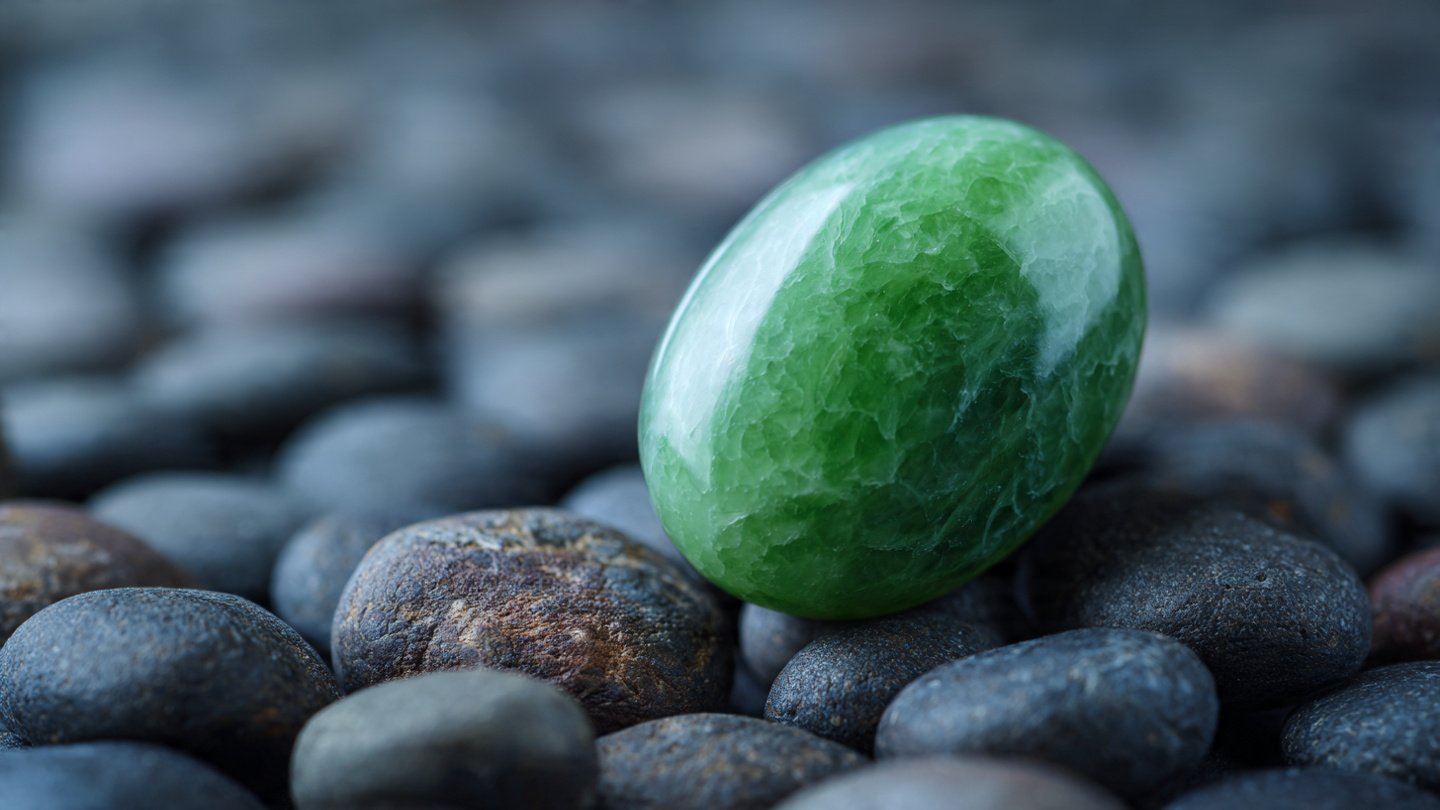
Jade is more than just a beautiful green stone—it’s a symbol that has carried profound meaning across cultures for thousands of years. From ancient Chinese emperors to Maori warriors, from Maya priests to modern jewelry wearers, jade has represented humanity’s highest ideals and deepest spiritual beliefs. Understanding what jade symbolizes opens a window into the soul of civilizations and reveals why this stone remains so treasured today.
The Universal Symbolism of Jade
Across different cultures and time periods, certain symbolic meanings appear repeatedly when it comes to jade:
Purity and Nobility: Jade’s smooth texture and luminous appearance have made it a symbol of moral purity and noble character throughout history.
Protection: Many cultures believe jade possesses protective qualities, shielding wearers from harm, negative energy, and misfortune.
Harmony and Balance: Jade’s serene appearance represents peace, balance, and harmonious living.
Longevity and Immortality: Its durability and timeless beauty have made jade a symbol of eternal life and enduring legacy.
Prosperity and Good Fortune: Jade has long been associated with wealth, success, and positive destiny.
Wisdom and Tranquility: The stone’s calm energy is believed to promote clear thinking and peaceful emotions.
These core meanings transcend cultural boundaries, though each civilization has added its own unique interpretation to jade’s symbolic language.
Chinese Jade Symbolism: The Stone of Heaven
No culture has revered jade more deeply or for longer than Chinese civilization. In China, jade—known as “yu”—holds a position unmatched by any other stone or even precious metal.
The Five Virtues of Jade
The ancient Chinese philosopher Confucius identified five virtues embodied in jade, which mirror the moral qualities expected of a noble person:
Benevolence (仁): Jade’s soft, warm luster represents kindness and compassion, like a gentle soul that brings comfort to others.
Righteousness (义): The stone’s translucency symbolizes honesty and moral integrity—nothing is hidden, everything is clear.
Wisdom (智): Jade’s pure tone when struck represents intelligence and sound judgment.
Courage (勇): Despite appearing delicate, jade is remarkably tough, symbolizing inner strength and bravery.
Purity (洁): Jade’s clean appearance represents moral cleanliness and spiritual purity.
These five virtues made jade the ultimate symbol of the ideal person in Chinese philosophy. Scholars, officials, and gentlemen wore jade as a reminder to embody these qualities.
Imperial Symbolism
For Chinese emperors, jade held special significance:
The Emperor’s Authority: Jade seals confirmed imperial decrees, making jade a symbol of ultimate earthly power.
Connection to Heaven: Emperors were considered the “Son of Heaven,” and jade, called the “Stone of Heaven,” represented their divine mandate to rule.
Immortality: Emperors were buried in jade suits (consisting of thousands of jade pieces sewn together with gold or silver wire) believing jade would preserve their bodies and ensure immortality.
Cosmic Balance: Jade bi discs (flat circular jade pieces with a hole in the center) represented heaven, while jade cong (square tubes) represented earth, symbolizing the emperor’s role in maintaining cosmic harmony.
Jade in Chinese Daily Life
Beyond imperial courts, jade carries meaning throughout Chinese culture:
Family Heirlooms: Jade jewelry passed through generations symbolizes family continuity and ancestral connection.
Wedding Gifts: Jade represents harmony and eternal love in marriage.
Birth Stones: Jade amulets protect newborn children and symbolize the family’s hopes for their future.
Longevity Symbol: Giving jade to elders symbolizes wishes for long life and good health.
Business Tokens: Jade gifts in business relationships symbolize trust, longevity of the partnership, and mutual prosperity.
Maori Jade Symbolism: Pounamu, the Sacred Stone
For the Maori people of New Zealand, jade—called “pounamu” or “greenstone”—holds profound spiritual and cultural significance.
Taonga: Treasured Heritage
Pounamu is considered “taonga”—a treasured object with spiritual essence or “mana.” This concept goes beyond material value:
Living Entity: Maori believe pounamu has mauri (life force), making it a living being rather than an inert object.
Spiritual Connection: Each piece of pounamu creates a spiritual bond with its wearer, absorbing their life experiences and mana.
Ancestral Link: Pounamu heirlooms carry the mana of all previous owners, connecting wearers to their ancestors.
Symbolic Pounamu Forms
Traditional Maori jade carvings carry specific meanings:
Hei Tiki: A humanoid pendant representing fertility, safe childbirth, and ancestral connection. Often passed through families for generations.
Hei Matau (Fish Hook): Symbolizes prosperity, abundance, safe travel over water, and determination. Represents Maori connection to the sea.
Koru (Spiral): Based on unfurling fern fronds, symbolizes new life, growth, strength, and peace. Represents new beginnings and harmony.
Twist (Pikorua): Represents the joining of two lives or cultures, symbolizing eternal love, friendship, and loyalty. Often given as wedding or friendship tokens.
Manaia: A spiritual guardian figure that protects against evil and guides souls to the afterlife.
Gifting Protocols
In Maori culture, pounamu carries special protocols:
- Traditionally, pounamu should be given as a gift rather than bought for oneself
- Gifting pounamu creates a spiritual bond between giver and receiver
- Taking pounamu from New Zealand connects you to the land, requiring respect and responsibility
Maya and Aztec Jade Symbolism: Divine Connection
For ancient Mesoamerican civilizations, jade was the most precious substance—more valuable than gold.
Spiritual and Divine Symbolism
Water and Fertility: Green jade represented life-giving water, essential in agricultural societies. It symbolized growth, abundance, and fertility.
Divine Breath: The Maya believed jade represented the breath of life and cosmic energy flowing through the universe.
Royal Authority: Only rulers and high priests could wear jade, making it a symbol of divine right to rule.
Afterlife: Jade was placed in mouths of the deceased, believing it would substitute for the heart and ensure safe passage to the afterlife.
Jade and the Gods
Quetzalcoatl: The feathered serpent god was associated with jade, particularly jade-green quetzal feathers.
Chalchiuhtlicue: The Aztec goddess of water wore jade skirts, linking the stone to life, purity, and sustenance.
Sacred Offerings: Jade was the ultimate offering to gods, demonstrating its supreme value and spiritual power.
Buddhist and Hindu Symbolism
Jade holds significance in Eastern religious traditions beyond Chinese culture.
Buddhist Meanings
Spiritual Development: Jade represents the journey toward enlightenment and spiritual perfection.
Karmic Purity: Wearing jade symbolizes clearing negative karma and promoting positive actions.
Meditation Aid: Jade’s calming energy is believed to facilitate meditation and spiritual awareness.
Compassion: Like Kwan Yin (Goddess of Mercy) often depicted with jade, the stone represents compassion and loving-kindness.
Hindu Symbolism
Heart Chakra: Green jade is associated with the heart chakra (Anahata), representing love, compassion, and emotional balance.
Divine Connection: Jade bridges earthly existence and divine consciousness.
Prosperity: The goddess Lakshmi’s blessings are sometimes symbolized through jade, representing material and spiritual wealth.
Jade Color Symbolism: Different Shades, Different Meanings
While green jade is most famous, different jade colors carry distinct symbolic meanings:
Green Jade
- Growth and renewal
- Nature and natural harmony
- Healing and vitality
- Heart-centered consciousness
- Abundance and prosperity
White Jade
- Purity and innocence
- Spiritual clarity
- New beginnings
- Connection to the divine
- Peace and serenity
Lavender/Purple Jade
- Spiritual awareness
- Divine connection
- Emotional healing
- Transformation
- Intuition and psychic ability
Red Jade
- Passion and courage
- Life force energy
- Protection from physical danger
- Vitality and strength
- Assertiveness and action
Yellow Jade
- Joy and happiness
- Optimism and cheerfulness
- Digestive health and vitality
- Intellect and clarity
- Personal power
Black Jade
- Protection against negativity
- Grounding and stability
- Mystery and sophistication
- Deep wisdom
- Connection to the earth
Blue Jade
- Peace and tranquility
- Communication and self-expression
- Emotional release
- Reflection and contemplation
- Calm in chaos
Modern Symbolic Meanings: Jade Today
While ancient symbolism persists, jade has acquired contemporary meanings:
Personal Growth Symbol
Modern wearers often choose jade to represent:
- Personal transformation and self-improvement
- Commitment to living authentically
- Balance between material and spiritual life
- Environmental consciousness (jade’s connection to nature)
- Mindful living and intentionality
Relationship Symbolism
Jade increasingly appears in:
- Engagement Rings: Symbolizing lasting love and commitment
- Anniversary Gifts: Representing relationship longevity and growth
- Friendship Tokens: Celebrating deep, enduring connections
- Family Bonds: Connecting generations and honoring heritage
Wellness and Healing Symbol
In contemporary wellness culture, jade symbolizes:
- Holistic health and balance
- Mind-body-spirit integration
- Natural healing approaches
- Self-care and nurturing
- Emotional well-being
Metaphysical and Healing Symbolism
Beyond cultural traditions, many people attribute metaphysical properties to jade:
Emotional Healing
Jade is believed to:
- Calm anxiety and promote emotional stability
- Release negative thoughts and toxic patterns
- Encourage self-love and acceptance
- Heal emotional wounds from the past
- Promote forgiveness and compassion
Physical Symbolism
In various healing traditions, jade represents:
- Kidney and adrenal health (particularly nephrite, whose name comes from the Greek word for kidney)
- Detoxification and purification
- Skeletal strength and durability
- Fertility and reproductive health
- Longevity and vitality
Spiritual Protection
Many traditions view jade as a protective stone:
- Shields against negative energy
- Prevents energy drain from toxic people
- Guards travelers on physical and spiritual journeys
- Protects children and vulnerable individuals
- Creates energetic boundaries
Jade in Feng Shui: Symbolic Placement
In feng shui practice, jade symbolizes and attracts specific energies:
Wealth Corner: Placed in the southeast area of a home to attract prosperity
Health Area: Used in the east to promote family health and vitality
Love Corner: Positioned in the southwest to enhance romantic relationships
Career Area: Placed in the north to support professional growth and opportunities
Jade Plants: Living jade plants (Crassula ovata) symbolize similar properties and are popular feng shui tools
What Jade Symbolizes for You
While jade carries these rich historical and cultural meanings, its personal symbolism is equally important. Many people develop their own relationship with jade, finding it represents:
- A turning point in their life journey
- Connection to their heritage or adopted culture
- A reminder of personal values and goals
- A link to a loved one who gifted it
- A symbol of personal achievement or transformation
The beauty of jade’s symbolism is its flexibility—it can honor ancient traditions while carrying deeply personal meaning for the individual wearer.
Respecting Jade’s Cultural Significance
As you appreciate jade’s symbolism, remember that for many cultures—particularly Chinese, Maori, and Indigenous American communities—jade isn’t just symbolic; it’s sacred. When wearing or displaying jade:
- Learn about and honor the cultural traditions associated with your jade
- If wearing traditional cultural forms (like Maori designs), understand their meaning and significance
- Support ethical sourcing that respects indigenous rights and environmental sustainability
- Appreciate jade as part of living cultures, not just historical artifacts
- Share knowledge respectfully when teaching others about jade’s meanings
Conclusion
What does jade stone symbolize? The answer encompasses thousands of years of human wisdom, spanning continents and cultures. Jade symbolizes our highest aspirations—purity, wisdom, harmony, protection, love, and connection to something greater than ourselves.
Whether representing Confucian virtue in ancient China, spiritual mana in Maori tradition, divine connection for the Maya, or personal growth for modern wearers, jade consistently symbolizes what we value most deeply. Its enduring symbolism across such diverse cultures suggests jade touches something universal in the human experience—our desire for meaning, beauty, connection, and transcendence.
When you wear or gift jade today, you’re participating in a symbolic tradition that stretches back to humanity’s earliest civilizations. You’re connecting with the same hopes, dreams, and values that inspired our ancestors to cherish this remarkable stone. That’s perhaps jade’s ultimate symbolism: it represents our shared humanity and the timeless values that unite us across cultures and centuries.
In holding jade, you hold not just a beautiful stone, but a symbol of everything we aspire to be—as individuals, as communities, and as a species. And that’s what makes jade eternally precious.


