

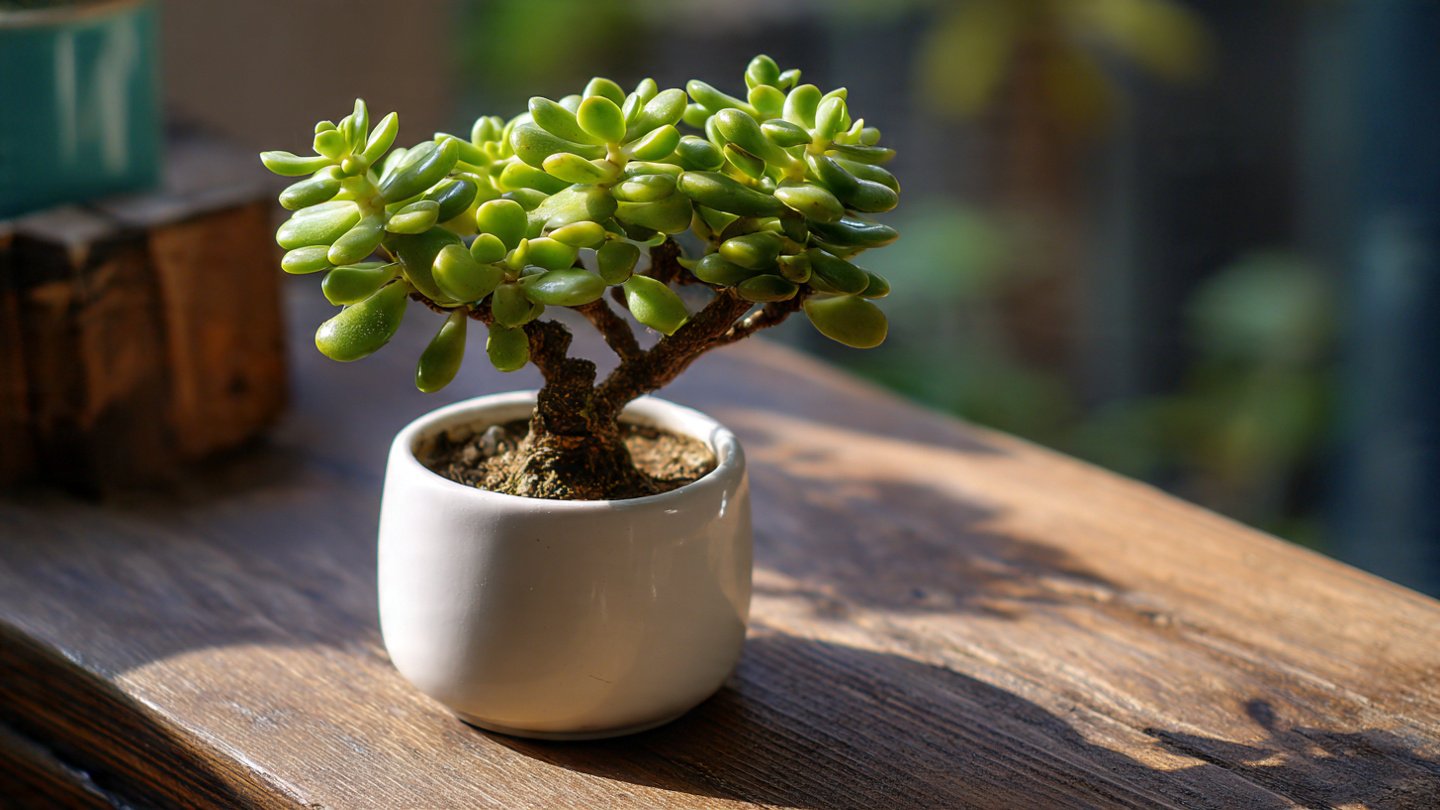
Have you ever searched for “jade” online and gotten completely different results—some showing beautiful green gemstones and others displaying succulent plants with thick, glossy leaves? You’re not alone. The confusion between jade stone and jade plant is incredibly common, leaving many people wondering if there’s any connection between the two.
This mix-up isn’t just a simple naming coincidence. It reflects fascinating cultural traditions, linguistic overlaps, and shared symbolism that has persisted for centuries. Understanding why this confusion happens reveals interesting insights into how different cultures view prosperity, luck, and natural beauty.
In this comprehensive guide, we’ll explore the real reasons behind this confusion, clarify the fundamental differences, and help you understand what each “jade” actually represents. Whether you’re shopping for jewelry, looking for houseplants, or simply curious about this linguistic puzzle, you’ll find clear answers here.
The Name Connection That Started It All
Let’s address the most obvious question first: Why do both a gemstone and a plant share the name “jade”? The answer lies in visual similarity and cultural symbolism rather than any biological or geological relationship.
The jade plant (Crassula ovata) earned its common name because its thick, glossy, green leaves resemble the appearance of polished jade stone. When you hold a jade plant leaf next to a piece of nephrite jade, the color similarity becomes obvious—both display that characteristic deep green with a smooth, almost waxy appearance.
According to botanical historians at the Missouri Botanical Garden, the jade plant received this nickname in the Western world during the early 20th century when the plant became popular as a houseplant. Marketers and gardeners noticed the resemblance and capitalized on jade stone’s prestigious reputation to make the plant more appealing to buyers.
In Chinese culture, where both jade stone and this particular plant have deep significance, the connection runs even deeper. The plant is called “money tree” or “lucky plant,” linking it to the same prosperity symbolism that jade stone represents. This cultural overlap reinforced the name association in multiple languages.
What Actually Is Jade Stone
Before we can understand the confusion, we need clarity on what jade stone actually is. Many people don’t realize that “jade” refers to two completely different minerals that simply look similar.
The Two Types of Jade
True jade comes in only two forms: nephrite and jadeite. Both are metamorphic rocks, but they have different chemical compositions and properties. Nephrite consists of calcium magnesium silicate, while jadeite is sodium aluminum silicate. The Gemological Institute of America recognizes both as legitimate jade.
Nephrite ranges from creamy white to dark green, even black. It’s been treasured for over 7,000 years, particularly in Chinese culture where it symbolizes virtue, purity, and immortality. Jadeite, the rarer variety, displays vibrant colors including emerald green, lavender, red, yellow, and white. Imperial jadeite, the most prized type, commands prices comparable to fine diamonds.
Physical Properties
Jade stone rates 6-7 on the Mohs hardness scale, making it remarkably tough and durable. This toughness comes from interlocking crystalline structures that resist breaking and chipping. Ancient civilizations fashioned jade into tools and weapons precisely because of this exceptional durability.
The stone feels cool to the touch initially, even in warm environments. This thermal property has become one of jade’s recognizable characteristics. When struck, authentic jade produces a clear, musical tone that jewelers and collectors use for identification. The specific gravity ranges from 2.90-3.38 depending on whether it’s nephrite or jadeite.
Cultural Significance
In Chinese culture, jade represents virtue, grace, and purity. Confucius wrote extensively about jade’s moral qualities, comparing the stone’s characteristics to human virtues. According to research from the Metropolitan Museum of Art, jade has been more valued than gold in Chinese culture for millennia, reserved for emperors and used in important ceremonies and burials.
The stone appears in wedding gifts, family heirlooms, and religious ceremonies across multiple Asian cultures. This deep cultural significance explains why jade commands such high prices and why the name carries such prestige.
What Actually Is Jade Plant
Now let’s examine the other half of this confusion—the jade plant, a completely different entity that happens to share a name.
The Botanical Facts
The jade plant (Crassula ovata) is a succulent native to South Africa and Mozambique. It belongs to the Crassulaceae family and has absolutely no relationship to jade stone beyond visual similarity. The plant stores water in its thick, fleshy leaves, allowing it to survive drought conditions—a characteristic of succulents.
According to the Royal Horticultural Society, jade plants can live for decades with proper care, sometimes exceeding 100 years. They grow slowly into small tree-like shapes, reaching 3-6 feet tall indoors, though they can grow larger in their native habitat or outdoor gardens in warm climates.
The leaves are the source of the jade connection. They’re thick, glossy, and typically jade-green in color, though some varieties display reddish edges or yellowish tints. When polished by rain or watering, the leaves develop a sheen remarkably similar to polished jade stone.
Common Names Worldwide
The confusion multiplies because jade plants have numerous common names in different cultures, many referencing prosperity and luck. These include:
- Money plant or money tree
- Lucky plant
- Friendship tree
- Dollar plant
- Prosperity plant
In Chinese, it’s often called “yù shù” (玉树), which literally translates to “jade tree.” This linguistic parallel reinforces the association with jade stone and contributes significantly to the confusion, especially when translated between languages.
Symbolism and Feng Shui
Jade plants carry similar symbolic meaning to jade stone in feng shui and Eastern traditions. They’re believed to attract wealth, prosperity, and positive energy. According to feng shui practitioners, placing a jade plant near your entrance or in the wealth corner of your home invites financial success.
This shared symbolism isn’t coincidental—the plant likely received these attributions precisely because of its resemblance to lucky jade stone. The parallel meanings reinforce the name connection and deepen the confusion for people learning about either one.
Key Reasons for the Confusion
Now that we understand both jade stone and jade plant individually, let’s examine why the confusion between them persists so stubbornly.
Visual Similarity
The primary reason is simple: they look similar. When you place a jade plant leaf next to a piece of nephrite jade, both display that characteristic green color with a smooth, slightly waxy appearance. Under certain lighting, the resemblance becomes even more striking.
For someone unfamiliar with either jade stone or jade plant, seeing one could easily be mistaken for the other in photographs or casual conversation. The glossy green appearance creates a visual link that the shared name reinforces.
Shared Cultural Symbolism
Both jade stone and jade plant symbolize prosperity, luck, and positive energy in Chinese culture. This parallel symbolism means they appear in similar contexts—discussions about feng shui, prosperity, gift-giving, and cultural traditions.
When someone mentions “jade brings good luck,” they might be referring to either the stone or the plant. This contextual ambiguity forces listeners to guess which jade is meant, contributing to ongoing confusion.
Language Translation Issues
Translation between languages, especially between Chinese and English, amplifies the confusion. Chinese names for the plant often include the character for jade (玉), which gets literally translated as “jade plant” or “jade tree.”
When English speakers encounter these translations, they may assume a direct connection exists between the plant and the stone beyond just the name. The linguistic overlap creates an impression of deeper relationship than actually exists.
Marketing and Commercial Naming
Plant sellers and marketers have actively promoted the jade connection to make plants more appealing. By associating a common houseplant with precious jade stone, they tap into jade’s prestigious reputation and cultural cachet.
Similarly, some gemstone sellers use the term “jade plant” when discussing jade stone’s symbolism and care, further blurring the lines. This deliberate commercial conflation serves marketing purposes but confuses consumers trying to understand the differences.
Search Engine Confusion
Modern technology contributes too. Search for “jade” online and you’ll get results for both stone and plant intermixed. Search engines can’t always determine user intent, so they provide results for both, assuming users will click what they actually wanted.
This creates a feedback loop where people encounter both meanings simultaneously, reinforcing the impression that they’re somehow related or interchangeable. New learners struggle to separate the concepts when their research constantly presents both together.
Casual Conversation Ambiguity
In everyday conversation, people rarely specify “jade stone” or “jade plant”—they just say “jade.” Context should clarify meaning, but it often doesn’t. Someone saying “I got jade for my birthday” could mean either a piece of jewelry or a houseplant, leaving listeners confused.
This casual linguistic imprecision in daily speech perpetuates confusion across generations. Parents and grandparents pass down imprecise language, and children grow up uncertain about what “jade” actually means.
Clear Differences Between Jade Stone and Jade Plant
Despite the naming confusion, jade stone and jade plant differ fundamentally in every way except appearance and cultural symbolism. Let’s clarify these differences definitively.
Basic Nature
Jade stone is a mineral—specifically, two different metamorphic rocks (nephrite and jadeite) formed deep underground through geological processes over millions of years. It’s completely inorganic, non-living matter extracted through mining.
Jade plant is a living organism—a succulent plant that grows, reproduces, and requires care like water, light, and proper soil. It belongs to the plant kingdom and originated in Africa, not in the earth’s crust like jade stone.
Physical Properties
Jade stone is hard (6-7 Mohs), cold to touch, extremely dense, non-porous, and permanent. It doesn’t grow, change shape, or require any maintenance beyond cleaning. You can’t kill jade stone because it was never alive.
Jade plant is soft (leaves are fleshy and easily damaged), warm or room temperature, lightweight, porous (absorbs water), and temporary (it lives and dies). It grows continuously, changes shape, and requires regular care. Neglect or poor conditions will kill a jade plant.
Use and Purpose
Jade stone serves as jewelry, decorative carvings, investment pieces, cultural artifacts, and family heirlooms. According to Sotheby’s auction records, exceptional jade pieces have sold for millions of dollars. You wear it, display it, or store it in a safe.
Jade plant serves as a houseplant, outdoor landscaping, decorative greenery, and symbolic feng shui element. It costs $5-50 typically, depending on size. You grow it, water it, and keep it in a sunny spot.
Origin and Availability
Jade stone comes from specific geological locations including Myanmar, China, Russia, Guatemala, and New Zealand. Genuine jade is relatively rare, especially high-quality jadeite. Mining and extraction require significant effort and expense.
Jade plant grows easily anywhere with proper conditions and is widely available at garden centers, nurseries, and even grocery stores worldwide. You can propagate new plants from a single leaf, making it abundantly available and inexpensive.
How to Tell Which Jade People Mean
When someone mentions “jade” in conversation, how do you determine which they mean? Context clues usually provide clarity.
Context Indicators for Jade Stone
If the conversation involves jewelry, gemstones, mining, auctions, collections, Chinese antiquities, hardness, or monetary value in thousands or millions, they’re definitely discussing jade stone.
Phrases like “jade necklace,” “jade bracelet,” “carved jade,” “imperial jade,” “jadeite versus nephrite,” or “jade authentication” clearly reference the mineral. Any mention of gemological testing, specific gravity, or Mohs hardness indicates stone, not plant.
Context Indicators for Jade Plant
If the conversation involves gardening, houseplants, watering, sunlight, propagation, succulents, feng shui placement, or care instructions, they’re discussing the jade plant.
Phrases like “my jade needs water,” “jade leaves falling off,” “propagating jade,” “jade bonsai,” or “jade in feng shui” typically reference the plant. Any mention of botanical care, growth rates, or plant health indicates the succulent, not the stone.
When in Doubt, Ask
Don’t hesitate to request clarification. A simple “Do you mean the stone or the plant?” prevents misunderstandings and demonstrates you understand the distinction. Most people appreciate the clarification and often hadn’t considered the ambiguity themselves.
The Cultural Bridge Between Both Jades
While jade stone and jade plant are fundamentally different, they do share genuine cultural connections worth understanding and appreciating.
Parallel Symbolism
Both represent prosperity, growth, longevity, and positive energy in Chinese culture and feng shui. This isn’t coincidental—the plant inherited these associations from the stone because of visual similarity and deliberate cultural attribution.
According to feng shui masters interviewed by the International Feng Shui Guild, jade plants became popular feng shui tools partly because they offered an accessible alternative to expensive jade stone. People who couldn’t afford jade jewelry could still invite “jade energy” into their homes through the plant.
Gift-Giving Traditions
Both jade stone and jade plant make meaningful gifts in Chinese culture. Jade jewelry celebrates weddings, births, and milestones. Jade plants symbolize friendship and shared prosperity. Both gifts carry similar blessings and good wishes for the recipient.
This parallel gift-giving tradition reinforces the cultural connection and explains why both appear in similar ceremonial contexts, further intertwining their identities in people’s minds.
Modern Integration
Contemporary culture has embraced both forms of jade in complementary ways. Interior designers might incorporate both jade stone sculptures and jade plants in the same space to emphasize green tones and prosperity themes.
This intentional pairing in modern décor and feng shui practice creates spaces where both jades coexist harmoniously, each contributing different but complementary energy to the environment.
Common Questions About Jade Confusion
Can You Make Jewelry from Jade Plant?
No. Jade plant leaves are soft, fleshy, and contain water. They would decompose quickly and couldn’t be carved, polished, or set in jewelry settings. Only jade stone possesses the hardness and stability required for jewelry making.
Is Jade Plant Valuable Like Jade Stone?
No. While jade plants have sentimental value and serve decorative purposes, they cost $5-50 typically. Jade stone, especially high-quality jadeite, can cost thousands to millions of dollars. The value difference is enormous.
Do Jade Plants Contain Jade Stone?
Absolutely not. Jade plants don’t absorb, produce, or contain any jade minerals. They’re completely biological organisms with no mineral jade content. The name reflects appearance only, not composition.
Are Jade Plants Good Luck Like Jade Stone?
According to feng shui tradition, yes—both are considered lucky. However, the plant’s luck comes from cultural attribution rather than inherent properties. Whether you believe in this symbolism is a personal choice, but both enjoy similar reputations in Chinese culture.
Which Came First, Jade Stone or Jade Plant Name?
Jade stone’s use predates written history, going back at least 7,000 years. The jade plant received its common name much more recently, probably in the early 20th century in Western markets. The plant’s name derives from the stone, not vice versa.
Practical Tips to Avoid Confusion
Here’s how to communicate clearly and avoid the jade stone jade plant confusion in your daily life.
Be Specific in Speech
Instead of saying “I love jade,” say “I love jade jewelry” or “I love jade plants.” This small addition prevents 90% of potential confusion and demonstrates clear communication skills.
When recommending jade to others, specify which type you mean: “You should get a jade plant for your office” versus “You should consider jade stone for your wedding jewelry.”
Use Scientific Names When Appropriate
For jade plants, using the scientific name Crassula ovata eliminates all ambiguity. For jade stone, specifying “nephrite” or “jadeite” provides precision that “jade” alone doesn’t offer.
This approach works especially well in written communication like emails, articles, or social media posts where readers can’t ask for clarification.
Educate Others Kindly
When you encounter someone confused about jade stone versus jade plant, offer friendly clarification without condescension. Most people appreciate learning the distinction and didn’t realize the confusion existed.
Sharing this knowledge helps reduce overall confusion in your community and demonstrates your expertise on the topic.
Check Before Purchasing
When buying “jade” online or in stores, verify exactly what you’re purchasing. Read descriptions carefully, examine photos closely, and don’t hesitate to ask sellers for clarification. This prevents disappointment when your jade jewelry arrives but turns out to be a houseplant, or vice versa.
Final Thoughts on the Jade Confusion
The confusion between jade stone and jade plant reflects fascinating intersections of culture, language, marketing, and human nature. While these two completely different entities share only a name and superficial appearance, they’ve become intertwined in people’s minds through centuries of cultural association.
Understanding this confusion doesn’t diminish the beauty or significance of either jade. The stone remains a precious mineral with profound cultural meaning and stunning beauty. The plant remains a charming, easy-care succulent that brings greenery and symbolic prosperity to homes worldwide.
The key takeaway? Both jades have their place and purpose. Neither is superior—they simply serve different needs. By understanding the distinction and communicating clearly, you can appreciate both forms of jade while helping reduce confusion for others.
Whether you’re drawn to the cool, permanent beauty of jade stone or the living, growing charm of jade plant, you’re connecting with traditions that span millennia. That shared cultural heritage is perhaps the most genuine connection between these two very different manifestations of “jade.”
Have you ever been confused about jade stone versus jade plant? Share your experience in the comments below! If this article helped clarify the distinction, please share it with friends and family who might be confused too. Your sharing helps spread accurate information and prevents others from experiencing the same confusion. Do you own jade stone jewelry, jade plants, or both? Tell us about your jade collection in the comments!
For more insights about plants, gemstones, cultural traditions, and fascinating naming conventions, subscribe to our newsletter. Stay informed, communicate clearly, and enjoy learning about the wonderful diversity of our natural and cultural world!
Disclaimer: This article provides educational information about jade stone and jade plant based on botanical, gemological, and cultural research from institutions including the Missouri Botanical Garden, Royal Horticultural Society, Gemological Institute of America, and Metropolitan Museum of Art. Cultural interpretations of symbolism represent traditional beliefs and should be understood as cultural heritage rather than scientifically verified claims. Individual experiences with plants and stones may vary.


