

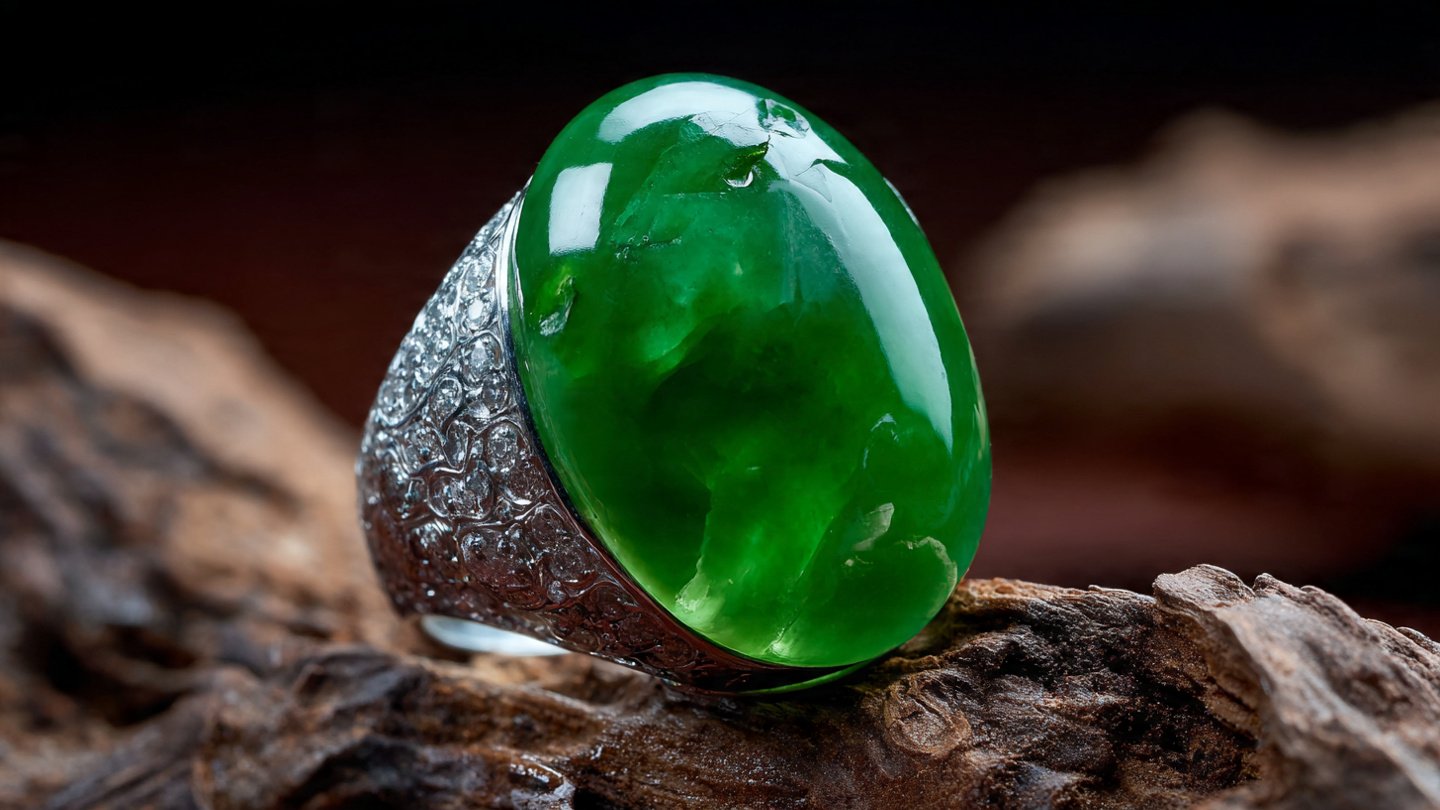
Ak ste niekedy uvažovali, či nefrit spĺňa podmienky ako "drahokam," nie ste sám. Táto otázka sa týka klasifikácie drahokamov, trhovej hodnoty, kultúrneho významu a storočí tradície. Odpoveď vás môže prekvapiť—je to jednoduchšie a zložitejšie, než ste očakávali. Umožňuje odhaliť fascinujúci príbeh nefritového stavu v drahokamovej hierarchii a zistiť, prečo tento staroveký kameň vzdoruje jednoduchej kategorizácii.
Tradičný systém klasifikácie drahokamov
Aby sme pochopili stav nefritov, musíme sa najprv pozrieť na to, ako boli drahokamy tradične klasifikované.
Veľké štyri drahocenné kamene
Historicky, drahokam svet uznával len štyri kamene ako "drahokamy":
- Diamant: Najtvrdší prírodný materiál, cenený pre brilantnosť
- Ruby: Červená odroda korundum, cenené pre svoju živú farbu
- Zafír: Modrá (a iné farebné) korundum, poklad pre krásu
- smaragdové: Zelená beryl, milovaná pre jeho svieži farbu
Všetko ostatné—vrátane nefritu, opálu, topazu, tyrkysovej a stoviek ďalších krásnych kameňov—boli klasifikované ako "polodrahokamy."
Problém s touto klasifikáciou
Tento tradičný systém má niekoľko významných problémov:
Je svojvoľná: Rozlišovanie sa robilo pred stáročiami na základe európskych preferencií a neodráža skutočnú zriedkavosť, trvanlivosť alebo hodnotu.
Je zavádzajúca: Mnohé "polodrahokamy" kamene sú vzácnejšie a cennejšie ako niektoré "drahokamy." Napríklad vysokokvalitný imperiálny nefrit môže byť oveľa cennejší ako väčšina diamantov.
Kultúrne predpojaté: Systém odráža západné drahokamy preferencie pri ignorovaní kameňov, ktoré sú najdôležitejšie v iných kultúrach—najmä nefrit v ázijských kultúrach.
Je komerčne zastaraný: Moderný trh s drahokammi nepracuje podľa tohto binárneho systému. Hodnota sa určuje kvalitou, raritou, dopytom a individuálnymi kamennými vlastnosťami.
Takže, Jade je vzácny alebo poloprudký?
Podľa tradičného západného klasifikačného systému je nefrakt technicky klasifikovaný ako "polodrahokam." Avšak, táto značka je zavádzajúce a neodráža nefritový stav.
Tu je dôvod, prečo "polo-drahokamy" štítok zlyhá nede:
Nefrit môže byť cennejší ako "drahé" kamene
Najlepší nefrit—najmä imperiálny nedeit—pravidelne predáva za ceny, ktoré presahujú väčšinu diamantov, rubínov, zafírov a smaragdov:
- Imperial nede môže priniesť cez $3 milióny na karát na dražbe
- Nefritový náhrdelník predávaný pre $27,4 milióna v roku 2014
- Výnimočné nefritové náramky sa predali na koniec $12 miliónov
Tieto ceny súperia alebo prekračujú svet a najdrahšie "drahokamy." Nazývať nefrit "semi-drahokamy," keď to môže byť hodné miliónov má malý zmysel.
Jade je mimoriadne vzácny vo výbornej kvalite
Kým nefrite jade je pomerne časté, jemné-kvalitné jadeite—najmä Imperial nede—je mimoriadne zriedkavé. Geologické podmienky potrebné na výrobu prvotriedneho neideitu sú také špecifické, že iba jeden región na svete (Mjanmarsko) neustále vyrába materiál kvality múzea.
Zamyslite sa nad týmto: pravdepodobnejšie nájdete slušný diamant ako imperiálny nefrit. Samotná rarita by mala zvýšiť stav nefritu.
Dôležitosť kultúry
V čínštine, japončine, kórejčine a iných ázijských kultúrach je nefrit najvzácnejším kameňom už tisíce rokov—oveľa dôležitejšie ako diamanty alebo iné západné obľúbené. Čínska civilizácia si cení nefrit viac ako 5000 rokov, keďže je cennejšia ako zlato.
Staroveký čínsky znak pre nefrit sa používa v slovách, ktoré znamenajú "oceniteľné," "krásne," a "drahocenné." V čínskej kultúre nefrit predstavuje cnosť, krásu, nesmrteľnosť a spojenie medzi nebom a zemou. Tento kultúrny význam trvá tisícročia a pokračuje dodnes.
Can something so profoundly valued by billions of people over thousands of years really be “semi-precious”? The Western classification system fails to account for this cultural reality.
The Modern Perspective: Moving Beyond Old Labels
Today’s gemological community and sophisticated jewelry markets increasingly reject the precious/semi-precious distinction as outdated and misleading.
What Modern Experts Say
Gemological Institute of America (GIA): The world’s leading gemological authority avoids using “precious” and “semi-precious” classifications, instead focusing on individual gem characteristics, quality factors, and market value.
Professional Appraisers: Modern appraisers evaluate stones based on quality, rarity, market demand, and condition—not arbitrary historical classifications.
High-End Jewelers: Prestigious jewelry houses treat jade according to its quality and value, not according to outdated labels. A Cartier jade piece commands prices reflecting its true worth, not its “semi-precious” label.
The New Way of Thinking
Rather than dividing stones into two arbitrary categories, modern gemology recognizes that:
- Quality matters more than type: A superb jade is worth more than a poor diamond
- Rarity is relative: Some “semi-precious” stones are rarer than “precious” ones
- Cultural context is important: Value isn’t universal or static
- Market demand drives prices: What people will pay determines value, not historical labels
Jade’s Unique Properties: Why It Deserves Respect
Beyond classification debates, jade possesses remarkable qualities that distinguish it among gemstones.
Exceptional Toughness
Jade is one of the toughest natural materials on Earth. While not the hardest (that’s diamond), jade’s interlocking crystalline structure makes it extremely resistant to breaking. This toughness—greater than steel—has made jade ideal for everything from ancient tools to modern carvings.
This durability means jade jewelry can be worn daily for generations without damage. Try that with some “precious” stones like emerald, which is far more fragile.
Unique Aesthetic Qualities
Jade possesses qualities found in few other stones:
Priesvitnosť: The way light penetrates fine jade creates a luminous, almost glowing appearance
Textúra: Jade’s smooth, fine-grained texture feels luxurious and distinctive
Color depth: Jade colors seem to have depth and complexity unlike other gemstones
Versatility: Jade works beautifully in both jewelry and carvings, from delicate earrings to massive sculptures
Historical and Archaeological Importance
Jade artifacts date back over 7,000 years, making jade one of humanity’s oldest treasured materials. Archaeological finds show jade was valued by:
- Ancient Chinese civilizations (from Neolithic times)
- Maya and Olmec cultures in Central America
- Maori people of New Zealand
- Various Asian, Pacific, and American cultures
This historical pedigree spans longer than recorded use of diamonds, which only became popular as jewelry in the 15th century.
The Economic Reality: Jade as a Precious Commodity
From a purely economic perspective, jade functions as a precious commodity in the global marketplace.
Investment-Grade Status
High-quality jade is:
- Actively traded at international auctions
- Considered an investment vehicle by serious collectors
- Subject to sophisticated grading and authentication
- Priced competitively with or above “precious” gems
Major auction houses like Sotheby’s and Christie’s hold dedicated jade sales, treating it as a premier gemstone.
Market Dynamics
The jade market operates at the highest levels of the gem trade:
Hong Kong Jade Auctions: Annual jade sales move millions of dollars in merchandise
Jewelry Houses: Prestigious brands create high-jewelry pieces with jade comparable to their diamond and emerald collections
Private Collectors: Wealthy collectors pay premium prices for exceptional jade
Chinese Market: Driving unprecedented demand, with jade often preferred over Western “precious” stones
These market realities demonstrate that jade functions economically as a precious stone, regardless of historical Western classifications.
Different Types of Jade: A Spectrum of Value
It’s important to note that not all jade is equally valuable, which complicates the precious/semi-precious question.
Premium Jadeite: Precious by Any Standard
Imperial jade and other fine jadeite clearly qualify as precious by any reasonable measure:
- Extreme rarity
- Exceptional prices
- Strong market demand
- Cultural and aesthetic significance
- Investment potential
If we’re honest, top-quality jadeite deserves inclusion in any list of precious gems.
Commercial Jade: More Complex
Lower-quality nephrite and commercial-grade jadeite present a different picture:
- More abundant
- Affordable pricing
- Wide availability
- Less investment potential
This material probably fits the “semi-precious” category better, though it remains beautiful and valuable in its own right.
The Jade Paradox
This creates an interesting paradox: jade as a material spans from inexpensive to priceless. The same word “jade” describes both $10 trinkets and million-dollar masterpieces. Few other stones cover such an enormous value range.
Comparing Jade to the “Big Four”
Let’s directly compare jade to the traditional precious stones:
Jade vs. Diamond
- Rarity: Imperial jade is rarer than most diamonds
- Hodnota: Top jade exceeds most diamond prices per carat
- Durability: Jade is tougher (though diamond is harder)
- Cultural significance: Jade equals or exceeds diamonds in many cultures
Jade vs. Ruby
- Rarity: Comparable—both are rare in fine quality
- Hodnota: Top-tier specimens are similarly priced
- Historical importance: Jade has a longer history of use
- Geographic significance: Ruby dominates Western markets; jade dominates Eastern markets
Jade vs. Sapphire
- Color range: Both offer multiple colors
- Market value: High-end pieces are comparably priced
- Durability: Sapphire is harder; jade is tougher
- Cultural reach: Both are globally significant
Jade vs. Emerald
- Rarity: Imperial jade is rarer than most emeralds
- Fragility: Jade is far more durable than emerald
- Hodnota: Top jade often exceeds emerald prices
- Liečba: Both often undergo enhancement, though natural specimens command premiums
These comparisons show jade holds its own against any “precious” stone.
The Verdict: Is Jade Precious?
After examining all angles, here’s the honest answer:
According to outdated Western classification: Jade is technically “semi-precious”
According to Asian cultural tradition: Jade is the most precious stone
According to market value: High-quality jade is absolutely precious
According to modern gemology: The precious/semi-precious distinction is largely meaningless
According to common sense: Anything that can be worth millions of dollars is precious
The truth is that fine jade—particularly Imperial jadeite—is precious by any meaningful definition. It’s rare, valuable, culturally significant, beautiful, and historically important. The “semi-precious” label is a historical artifact that doesn’t reflect reality.
What This Means for You
Understanding jade’s true status matters whether you’re:
Buying jade: Don’t let the “semi-precious” label fool you into thinking jade is automatically affordable. Fine jade requires substantial investment.
Selling jade: Don’t undervalue quality jade based on outdated classifications. Seek proper appraisal from experts who understand jade’s true worth.
Collecting jade: Recognize that you’re pursuing a gemstone equal in status to any “precious” stone. Build your collection with the same seriousness.
Appreciating jade: Understand that holding fine jade means holding something genuinely precious—in every sense of the word.
Záver
Is jade a precious stone? By any meaningful modern standard, the answer is yes—at least for fine-quality material. The traditional Western classification system that relegates jade to “semi-precious” status is outdated, culturally biased, and economically inaccurate.
Jade’s true status transcends simplistic labels. It’s a gemstone that has been precious to humanity longer than almost any other. It commands prices rivaling or exceeding traditional “precious” stones. It possesses unique qualities found in few other materials. And it continues to captivate collectors, jewelers, and admirers worldwide.
Perhaps the real lesson is this: the word “precious” shouldn’t be reserved for a arbitrary shortlist of four stones chosen by European tradition. Preciousness lies in rarity, beauty, cultural significance, and the capacity to move human hearts—qualities jade possesses in abundance.
So the next time someone tells you jade is “just semi-precious,” you can smile and share the truth: jade is precious by any definition that matters. It’s been precious for 5,000 years, it’s precious in today’s market, and it will remain precious for generations to come. The label we attach to it changes nothing about its inherent value and timeless appeal.


