

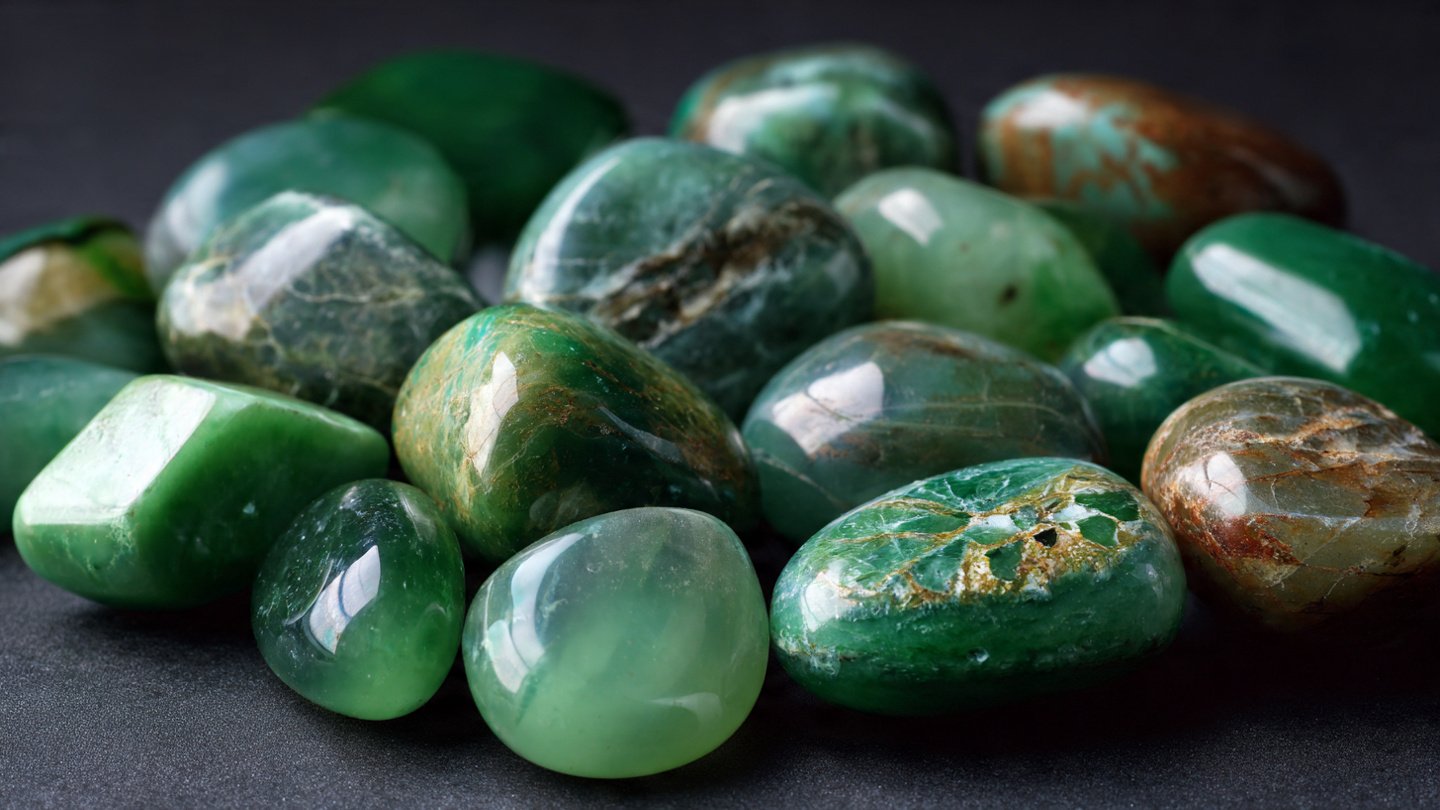
Jade uchvátil civilizácie po tisíce rokov, cenené nielen pre svoju krásu, ale aj ako symbol bohatstva a postavenia. Dnes sa mnohí investori pýtajú, či nefritové kamene stoja za nákup ako investičný nástroj. Tento komplexný sprievodca skúma svet nefritových investícií, pomáha vám robiť informované rozhodnutia o tom, či si tento vzácny kameň zaslúži miesto vo vašom investičnom portfóliu.
Pochopenie Jade: Nadácia inteligentných investícií
Pred ponorením do investičného potenciálu, nech pochopiť, čo nefrit vlastne je. Mnohí ľudia si neuvedomujú, že "jade" sa vzťahuje na dva odlišné minerály: jadeit a nefrite. Toto rozlišovanie je dôležité pri posudzovaní investičnej hodnoty.
Jadeite je vzácnejšia a cennejšia odroda. Dodáva sa v ohromujúcom rozsahu farieb, s cisárskym nefritom (živou smaragdovou zelenou) je najvyhľadávanejším. Vysoko kvalitný jadeit môže priniesť ceny porovnateľné s jemnými diamantmi. Nefrite, zatiaľ čo krásne a historicky významné, všeobecne prikazuje nižšie ceny na trhu.
Najlepšie nefrit vykazuje niekoľko kľúčových charakteristík. Farba je prvoradá, pričom najcennejšie sú živé, rovnomerne rozložené odtiene. Priesvitnosť umožňuje svetlo preniknúť do kameňa, vytvára éterickú žiaru, ktorá kolektory cenu. Textúra by mala byť jemná a hladká a kameň by nemal obsahovať viditeľné praskliny alebo inklúzie.
Súčasný Jade trh: Čo by investori mali vedieť
Nefritový trh zaznamenal za posledné dve desaťročia výrazný rast, ktorý bol spôsobený predovšetkým rastúcim dopytom z Číny a iných ázijských trhov. Podľa prieskumu trhu sa celosvetový trh nefritov dosiahol približne $10 miliárd v roku 2023 s prognózami naznačujúcimi pokračujúci rast.
Niekoľko faktorov vedie nefritové ceny nahor. Kultúrny význam na čínskych trhoch vytvára stály dopyt, pretože nefrit zostáva hlboko zakotvený v tradíciách a oslavách. Obmedzená ponuka z primárnych zdrojov, najmä Mjanmarska (ktorá produkuje väčšinu svetového jadeitu), vytvára nedostatok. Okrem toho rastie bohatstvo strednej triedy v Ázii podstatne rozšírilo zberateľskú základňu.
Trh však čelí aj výzvam. Politická nestabilita v Mjanmarsku, primárnom zdroji nefritu, vytvára neistotu dodávok. Nestabilita trhu môže byť významná, pričom ceny kolísajú na základe výsledkov aukcií a hospodárskych podmienok. Pre investorov možno najviac znepokojuje šírenie ošetrených a syntetických kameňov, čo robí autentifikáciu kritickou.
Investičný potenciál: Realistický obraz
Poďme sa priamo zaoberať ústrednou otázkou. Môže byť nefrit dobrá investícia? Odpoveď je nuansovaná a vo veľkej miere závisí od niekoľkých faktorov.
Vysoko kvalitný jadeite preukázal pôsobivé ocenenie za dlhé obdobia. Top-tier kusov predaných na aukcii dosiahli rekordné ceny, pričom niektoré kusy oceňujú stovky percent po celé desaťročia. V roku 2014 sa predal nefritový náhrdelník $27,4 milióna v Sotheby a Hong Kongu, demonštrujúce potenciálne vrcholné hodnoty.
Avšak, väčšina nefritových nákupov wonov a dosiahnuť také stratosférické výnosy. Životaschopnosť investícií do veľkej miery závisí od kvality, pravosti a načasovania trhu. Na rozdiel od akcií alebo dlhopisov, nefrit generuje príjmy prostredníctvom dividend alebo úrokov. Váš návrat pochádza výlučne z ocenenia, za predpokladu, že nájdete kupujúceho ochotného zaplatiť vašu žiadanú cenu.
Pre vážnych investorov by sa mal dôraz klásť na nefritu ako na nefritu. Najvzácnejšie farby, najmä cisárska zelená, levanduľa, a čistá biela, príkaz prémiové ceny. O certifikácii renomovaných gemologických laboratórií sa nepochybuje. Kúsky s historickým významom alebo výnimočné remeselníctvo môže získať prémie nad hodnotu suroviny.
Skutočné očakávania návratu sa značne líšia. Top-tier nedeite by mohol oceniť 5-10% ročne za dlhé obdobia, aj keď to nie je ani zďaleka zaručená. Mid-range kusov môže oceniť skromne alebo držať hodnotu. Kamene nižšej kvality nemusia výrazne oceňovať a mohli by stratiť hodnotu vo vzťahu k inflácii.
Kľúčové výhody Jade Investment
Jade ponúka niekoľko jedinečných výhod, ktoré priťahujú investorov. Ako hmotný majetok, je prenosný a nevyžaduje rozsiahle skladovacie zariadenia. Na rozdiel od papierových aktív, môžete fyzicky držať svoje investície, ktoré apelujú na tie pozorné trhových abstrakcií.
Citová a kultúrna hodnota nefritu presahuje peňažnú hodnotu. Pre zberateľov poskytuje estetické potešenie a kultúrne spojenie vnútornú hodnotu nad rámec finančných výnosov. Táto dvojitá povaha znamená, že aj keď je ocenenie skromné, vlastníci získavajú z ich investícií iné výhody.
Jade môže slúžiť ako portfóliový diverzifikátor s hodnotami, ktoré priamo nesúvisia s trhmi s cennými papiermi alebo dlhopismi. Počas ekonomickej neistoty môžu pevné aktíva, ako je nefrit, udržať hodnotu pri poklese papierových aktív. Aspekt ochrany súkromia sa tiež týka niektorých investorov, pretože nefritové transakcie možno uskutočňovať diskrétne v porovnaní s ťažko regulovanými finančnými nástrojmi.
Významné riziká a výzvy
Každá investícia nesie riziko a nefrit predstavuje niekoľko jedinečných problémov. Autentifikačná otázka je na tomto trhu veľká. Sofistikované liečby môžu zvýšiť vzhľad a zároveň znížiť hodnotu. B-trieda nefrit je bielená a polymér-impregnované, zatiaľ čo C-trieda nefrit zahŕňa farbenie zlepšiť farbu. Tieto liečby nie sú vždy zverejnené, a ich detekciu vyžaduje odbornú analýzu.
Syntetické a imitácie kameňov zaplavujú trh, najmä online trhy. Bez riadnej certifikácie kupci riskujú zaplatenie prémiových cien za bezcenné falzifikáty. Aj skúsení zberatelia môžu byť oklamaní kvalitnými napodobeninami.
Trhová likvidita predstavuje ďalšiu výzvu. Na rozdiel od akcií, ktoré možno predať okamžite, hľadanie kupujúcich pre nefrit trvá nejaký čas. Trh je relatívne malý v porovnaní s bežnými investíciami a rýchle predaje často znamenajú prijatie pod trhovými cenami. Transakčné náklady prostredníctvom aukčných domov môžu spotrebovať 15 - 25% predajnej ceny prostredníctvom poplatkov a provízií.
Cenová volatilita môže byť významná. Aukčné výsledky výrazne ovplyvňujú vnímané hodnoty, ale aukčné ceny nie vždy odrážajú širšie trhové podmienky. Módne a chuťové zmeny môžu ovplyvniť dopyt po konkrétnych farbách alebo štýloch. Hospodársky pokles na kľúčových trhoch ako Čína môže výrazne znížiť ceny.
Skladovanie a poistenie predstavujú priebežné náklady. Správne poistenie proti krádeži alebo poškodeniu pridáva výdavky, ktoré jedia na vrátenie. Bezpečnostné obavy znamenajú cenné kusy, ktoré si vyžadujú bezpečné skladovanie, či už ide o domáci trezor alebo bezpečnostné schránky.
Ako začať investovať do nefritu múdro
Ak ste vážne o nefritové investície, vzdelávanie je na prvom mieste. Stráviť mesiace alebo dokonca roky učenia pred vykonaním významných nákupov. Navštevujte výstavy drahokamov, navštívte múzeá so zbierkami nefritov a študujte renomované zdroje. Gemological Institute of America ponúka kurzy na identifikáciu nefritov a ocenenie.
Kľúčové je budovanie vzťahov s renomovanými predajcami. Založené díleri s dobrou povesťou v stávke svoje podnikanie na predaj autentickej, správne zastúpené kusy. Požiadajte o referencie a skontrolujte ich postavenie v profesionálnych organizáciách. Dávaj si pozor na dohody, ktoré sa zdajú príliš dobré, aby to bola pravda.
Vždy požadovať riadnu certifikáciu. Medzi uznávané gemologické laboratóriá patria GIA (Gemological Institute of America), AGS (American Gem Society) a NGTC (National Gemstone Testing Center in China). Certifikácia by mala špecifikovať, či je kameň prírodný, upravený alebo syntetický. Podrobné popisy farieb, priesvitnosť, a všetky liečby by mali byť zahrnuté.
Spustiť malé a stupnice postupne. Začnite s nižšou hodnotou kusov získať skúsenosti a rozvíjať svoje oko pre kvalitu. Ako sa naučíte, môžete s väčšou dôverou prejsť do investícií vyššej hodnoty. Tento prístup minimalizuje nákladné chyby pri budovaní odborných znalostí.
Uvažujme o časovom horizonte pozorne. Nefritové investície sú v zásade dlhodobé. Krátkodobé prevrátenie na tomto trhu zriedka funguje kvôli transakčným nákladom a nájdeniu kupujúcich. Plánovať držať kusy po dobu najmenej 5-10 rokov, pokiaľ možno dlhšie, aby sa umožnilo zhodnotenie rozvíjať.
Jade vs Other Investment Options
How does jade stack up against alternatives? Compared to precious metals like gold, jade offers less liquidity but potentially higher appreciation for top pieces. Gold has transparent pricing and can be sold instantly anywhere. Jade requires expertise to value and specialized markets for selling.
Diamonds provide interesting comparison. Both are luxury goods with similar market structures. Diamonds have more standardized grading systems, making valuation more straightforward. However, diamonds also suffer from high markups and modest appreciation for most grades.
Colored gemstones like rubies, sapphires, and emeralds compete with jade in the colored stone market. These stones benefit from broader international markets and more established pricing. Top-grade pieces can achieve impressive returns, similar to jade.
Art and collectibles share many characteristics with jade investment. Both require expertise, face liquidity challenges, and provide aesthetic enjoyment beyond financial returns. Diversification across categories may provide better risk management than concentrating in any single area.
Traditional investments like stocks, bonds, and real estate offer significant advantages in liquidity, income generation, and lower transaction costs. For most investors, these should form the portfolio core, with jade and similar tangibles playing a minor, speculative role.
Red Flags and Common Mistakes to Avoid
Certain warning signs should immediately raise concerns. Pressure to buy quickly suggests the seller fears you’ll discover problems with due diligence. Legitimate dealers welcome customer research and don’t rush decisions.
Dramatically below-market prices almost always indicate problems. The seller may know the piece is treated, synthetic, or misrepresented. In jade markets, true bargains are extremely rare.
Lack of certification or refusal to allow independent testing is unacceptable. Reputable sellers provide or allow certification because they’re confident in their pieces. Reluctance suggests they know testing would reveal problems.
Online purchases from unknown sellers carry extreme risk. The jade market particularly suffers from online fraud. Only buy online from established, reputable dealers with strong return policies and authentication guarantees.
Buying emotionally rather than analytically leads to overpaying and poor investment decisions. Jade’s beauty can cloud judgment. Always step back, verify claims, and analyze the investment objectively before committing.
Ignoring treatment status means paying natural prices for enhanced stones. Treated jade has legitimate markets but at much lower prices. Ensure you understand exactly what you’re buying and pay accordingly.
Expert Perspectives on Jade Investment
Industry professionals offer valuable insights. Gemologists emphasize that quality trumps size every time. A small, high-quality piece will outperform a large, mediocre one in both appreciation and marketability.
Auction house specialists note that provenance significantly impacts value. Pieces with documented history, particularly from notable collections, command premiums. This historical context provides both authenticity assurance and marketing appeal for eventual resale.
Market analysts point to demographic trends supporting long-term demand. Growing wealth in Asia, particularly China, continues expanding the collector base. However, they caution that political and economic instability can disrupt supply and demand significantly.
Seasoned collectors emphasize patience and continuous learning. The most successful investors view jade as a long-term passion, not a quick flip opportunity. They build expertise over decades, develop dealer relationships, and buy selectively when exceptional pieces appear.
Tax and Legal Considerations
Investment in jade carries tax implications that vary by jurisdiction. In many countries, jade sales may be subject to capital gains tax. The rate depends on how long you’ve held the piece and your overall tax situation.
Inheritance and estate planning require consideration. Jade pieces may need professional appraisals for estate purposes. Some jurisdictions tax inherited tangible assets, while others provide exemptions.
International purchases and sales involve customs regulations. Importing jade may require declarations and potentially duty payments. Export from certain countries, particularly Myanmar, faces restrictions and requires documentation.
Insurance for tax purposes requires documented appraisals. Updated appraisals every few years ensure adequate coverage and proper tax basis. Keep all purchase documentation and certification for tax records.
Making Your Decision: Is Jade Right for You?
Jade investment suits certain investor profiles better than others. You might consider jade if you have genuine interest in and appreciation for the stones themselves. Financial return shouldn’t be the sole motivator; the aesthetic and cultural value should matter to you.
You need sufficient capital to buy quality pieces, typically thousands to tens of thousands of dollars minimum. Smaller budgets force compromises in quality that undermine investment potential.
A long investment horizon of 10-20 years or more allows appreciation to develop. Short-term needs for liquidity make jade inappropriate.
You must have tolerance for illiquid investments without income generation. Jade sits quietly appreciating (hopefully) but provides no dividends or interest meanwhile.
Finally, you need willingness to invest time in education and market research. Successful jade investment requires expertise that takes years to develop.
Jade probably isn’t right for you if you need liquidity, want passive investment without education requirements, seek income generation, have limited capital better deployed elsewhere, or lack genuine interest in jade itself.
Practical Steps to Begin Investing
If you’ve decided jade investment aligns with your goals, follow these practical steps. First, dedicate 6-12 months to education before any purchases. Read books, take courses, attend exhibitions, and visit museums. This foundation prevents costly beginner mistakes.
Join collector organizations and online communities to learn from experienced collectors. These networks provide invaluable insights and warnings about market developments and dealer reputations.
Attend auctions and gem shows as an observer initially. Watch bidding patterns, examine pieces closely, and note how professionals evaluate stones. This real-world exposure accelerates learning.
Build relationships with 2-3 reputable dealers. Diversifying dealer relationships provides different perspectives and opportunities. Good dealers become mentors, sharing knowledge and guiding purchases.
Make your first purchase a modest one, perhaps $1,000-$3,000, to gain experience without excessive risk. Have it independently certified to verify what you’ve learned about authentication.
Document everything meticulously, including purchase receipts, certifications, photographs, and appraisals. This documentation becomes crucial for insurance, resale, and tax purposes.
Consider periodic reappraisal every 3-5 years to track appreciation and ensure adequate insurance coverage. These appraisals document value changes and inform future investment decisions.
Alternative Ways to Invest in Jade
Direct purchase of individual stones isn’t the only approach. Some investors prefer finished jewelry, which combines investment potential with wearability. High-quality jade jewelry from renowned makers can appreciate significantly. The craftsmanship adds value beyond the stone itself.
Carved jade pieces represent another category. Exceptional carving by master artisans commands premium prices. Historical pieces with artistic significance often outperform raw stones. However, this requires even deeper expertise to evaluate both material and craftsmanship.
For those seeking indirect exposure, some investment funds specialize in colored gemstones, occasionally including jade. These funds provide professional management and diversification but charge management fees and may not focus primarily on jade.
Shares in mining companies offer another indirect approach, though few public companies focus exclusively on jade mining. This approach provides liquidity but exposes you to operational and management risks beyond jade prices themselves.
The Future of Jade Investment
Looking forward, several trends may shape jade investment prospects. Supply constraints from Myanmar seem likely to continue given political instability, potentially supporting prices for authentic jadeite. However, supply disruptions can also destabilize markets.
Growing wealth in Asia, particularly China and Southeast Asia, should support long-term demand. Cultural significance ensures jade retains importance in these markets regardless of economic fluctuations.
Technology improves both authentication and synthesis capabilities. Better testing methods help protect buyers, while improving synthesis techniques may create new market segments for lab-created jade at lower price points.
Environmental and ethical concerns increasingly influence luxury markets. Responsible sourcing and transparent supply chains may become more important to buyers, potentially creating premiums for verified ethical jade.
Generational wealth transfer will test jade’s enduring appeal. Younger generations may have different preferences than their parents and grandparents. However, jade’s long cultural history suggests it will maintain relevance even as specific styles evolve.
Conclusion: Make Informed Decisions
Jade stone investment offers unique opportunities and significant challenges. It can be a worthwhile addition to a diversified portfolio for investors with genuine interest, sufficient capital, long time horizons, and willingness to develop expertise.
However, jade should never dominate your investment portfolio. Financial advisors typically recommend limiting tangible assets like jade to 5-10% of total investments at most. The core of any sound portfolio remains traditional assets with better liquidity and income generation.
Success in jade investment requires patience, education, and realistic expectations. The most valuable lesson is that jade investment is as much about passion and appreciation as financial return. If you don’t genuinely love jade, you’ll likely find the challenges outweigh the potential rewards.
Ultimately, the question “Is jade worth buying?” depends entirely on your personal circumstances, goals, and interests. For the right investor, jade offers a fascinating blend of cultural significance, aesthetic beauty, and potential financial appreciation. For others, simpler and more liquid investments make better sense.
Whatever you decide, make your choice based on thorough research, expert consultation, and honest assessment of your investment profile. The jade market rewards expertise and punishes hasty decisions. Take your time, learn thoroughly, and invest wisely.
What’s your experience with jade or other gemstone investments? Share your thoughts in the comments below and let’s continue this conversation. If you found this guide helpful, please share it with others who might benefit from this information. Your questions and insights help everyone learn more about this fascinating investment category.
Upozornenie: This article is for informational purposes only and does not constitute financial advice. Always consult with qualified financial advisors and gemological experts before making investment decisions. Jade markets carry significant risks, and past performance does not guarantee future results.


