

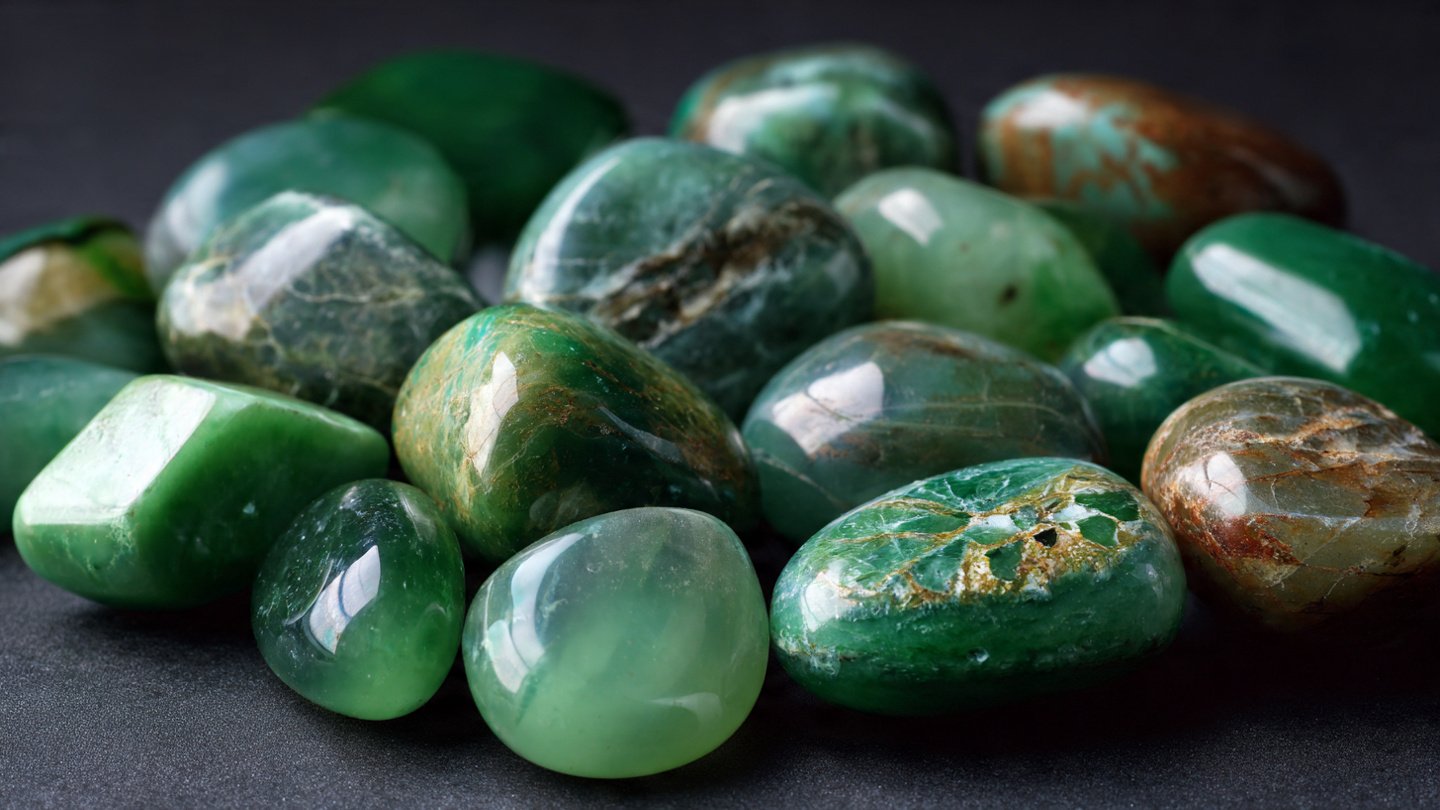
Jade has captivated civilizations for thousands of years, prized not just for its beauty but also as a symbol of wealth and status. Today, many investors wonder if jade stones are worth buying as an investment vehicle. This comprehensive guide explores the world of jade investment, helping you make informed decisions about whether this precious stone deserves a place in your investment portfolio.
Understanding Jade: The Foundation of Smart Investment
Before diving into investment potential, let’s understand what jade actually is. Many people don’t realize that “jade” refers to two distinct minerals: jadeite and nephrite. This distinction matters significantly when considering investment value.
Jadeite is the rarer and more valuable variety. It comes in a stunning range of colors, with imperial jade (a vivid emerald green) being the most sought-after. High-quality jadeite can fetch prices comparable to fine diamonds. Nephrite, while beautiful and historically significant, generally commands lower prices in the market.
The finest jade exhibits several key characteristics. Color is paramount, with vivid, evenly distributed hues being most valuable. Translucency allows light to penetrate the stone, creating an ethereal glow that collectors prize. Texture should be fine and smooth, and the stone should be free from visible cracks or inclusions.
The Current Jade Market: What Investors Should Know
The jade market has experienced significant growth over the past two decades, driven primarily by increasing demand from China and other Asian markets. According to market research, the global jade market reached approximately $10 billion in 2023, with projections suggesting continued growth.
Several factors drive jade prices upward. Cultural significance in Chinese markets creates steady demand, as jade remains deeply embedded in traditions and celebrations. Limited supply from primary sources, particularly Myanmar (which produces most of the world’s jadeite), creates scarcity. Additionally, growing middle-class wealth in Asia has expanded the collector base substantially.
However, the market also faces challenges. Political instability in Myanmar, the primary source of jadeite, creates supply uncertainties. Market volatility can be significant, with prices fluctuating based on auction results and economic conditions. Perhaps most concerning for investors is the proliferation of treated and synthetic stones, which makes authentication critical.
Investment Potential: The Realistic Picture
Let’s address the central question directly. Can jade be a good investment? The answer is nuanced and depends heavily on several factors.
High-quality jadeite has shown impressive appreciation over long periods. Top-tier pieces sold at auction have achieved record prices, with some pieces appreciating by hundreds of percent over decades. In 2014, a jadeite necklace sold for $27.4 million at Sotheby’s Hong Kong, demonstrating the potential peak values.
However, most jade purchases won’t reach such stratospheric returns. The investment viability depends largely on quality, authenticity, and market timing. Unlike stocks or bonds, jade doesn’t generate income through dividends or interest. Your return comes solely from appreciation, assuming you can find a buyer willing to pay your asking price.
For serious investors, focus should be on jadeite over nephrite. The rarest colors, particularly imperial green, lavender, and pure white, command premium prices. Certification from reputable gemological laboratories is non-negotiable. Pieces with historical significance or exceptional craftsmanship can command premiums beyond raw material value.
The realistic return expectations vary widely. Top-tier jadeite might appreciate 5-10% annually over long periods, though this is far from guaranteed. Mid-range pieces may appreciate modestly or hold value. Lower-quality stones may not appreciate significantly and could lose value relative to inflation.
Key Advantages of Jade Investment
Jade offers several unique benefits that attract investors. As a tangible asset, it’s portable and doesn’t require extensive storage facilities. Unlike paper assets, you can physically hold your investment, which appeals to those wary of market abstractions.
The emotional and cultural value of jade extends beyond monetary worth. For collectors, the aesthetic pleasure and cultural connection provide intrinsic value beyond financial returns. This dual nature means even if appreciation is modest, owners derive other benefits from their investment.
Jade can serve as a portfolio diversifier, with values not directly correlated to stock or bond markets. During economic uncertainty, hard assets like jade may maintain value when paper assets decline. The privacy aspect also appeals to some investors, as jade transactions can be conducted discreetly compared to heavily regulated financial instruments.
Significant Risks and Challenges
Every investment carries risks, and jade presents several unique challenges. The authentication issue looms large in this market. Sophisticated treatments can enhance appearance while reducing value. B-grade jade is bleached and polymer-impregnated, while C-grade jade involves dyeing to improve color. These treatments aren’t always disclosed, and detecting them requires expert analysis.
Synthetic and imitation stones flood the market, particularly online marketplaces. Without proper certification, buyers risk paying premium prices for worthless fakes. Even experienced collectors can be fooled by high-quality imitations.
Market liquidity presents another challenge. Unlike stocks that can be sold instantly, finding buyers for jade takes time. The market is relatively small compared to mainstream investments, and selling quickly often means accepting below-market prices. Transaction costs through auction houses can consume 15-25% of the sale price through fees and commissions.
Price volatility can be substantial. Auction results heavily influence perceived values, but auction prices don’t always reflect broader market conditions. Fashion and taste changes can impact demand for specific colors or styles. Economic downturns in key markets like China can suppress prices significantly.
Storage and insurance represent ongoing costs. Proper insurance against theft or damage adds expenses that eat into returns. Security concerns mean valuable pieces require safe storage, whether home safes or safety deposit boxes.
How to Start Investing in Jade Wisely
If you’re serious about jade investment, education comes first. Spend months or even years learning before making significant purchases. Attend gem shows, visit museums with jade collections, and study reputable sources. The Gemological Institute of America offers courses on jade identification and valuation.
Building relationships with reputable dealers is crucial. Established dealers with good reputations stake their business on selling authentic, properly represented pieces. Ask for references and check their standing with professional organizations. Be wary of deals that seem too good to be true.
Always demand proper certification. Reputable gemological laboratories include GIA (Gemological Institute of America), AGS (American Gem Society), and NGTC (National Gemstone Testing Center in China). Certification should specify whether the stone is natural, treated, or synthetic. Detailed descriptions of color, translucency, and any treatments should be included.
Start small and scale gradually. Begin with lower-value pieces to gain experience and develop your eye for quality. As you learn, you can move into higher-value investments with greater confidence. This approach minimizes costly mistakes while building expertise.
Consider the time horizon carefully. Jade investment is fundamentally long-term. Short-term flipping rarely works in this market due to transaction costs and finding buyers. Plan to hold pieces for at least 5-10 years, preferably longer, to allow appreciation to develop.
Jade vs Other Investment Options
How does jade stack up against alternatives? Compared to precious metals like gold, jade offers less liquidity but potentially higher appreciation for top pieces. Gold has transparent pricing and can be sold instantly anywhere. Jade requires expertise to value and specialized markets for selling.
Diamonds provide interesting comparison. Both are luxury goods with similar market structures. Diamonds have more standardized grading systems, making valuation more straightforward. However, diamonds also suffer from high markups and modest appreciation for most grades.
Colored gemstones like rubies, sapphires, and emeralds compete with jade in the colored stone market. These stones benefit from broader international markets and more established pricing. Top-grade pieces can achieve impressive returns, similar to jade.
Art and collectibles share many characteristics with jade investment. Both require expertise, face liquidity challenges, and provide aesthetic enjoyment beyond financial returns. Diversification across categories may provide better risk management than concentrating in any single area.
Traditional investments like stocks, bonds, and real estate offer significant advantages in liquidity, income generation, and lower transaction costs. For most investors, these should form the portfolio core, with jade and similar tangibles playing a minor, speculative role.
Red Flags and Common Mistakes to Avoid
Certain warning signs should immediately raise concerns. Pressure to buy quickly suggests the seller fears you’ll discover problems with due diligence. Legitimate dealers welcome customer research and don’t rush decisions.
Dramatically below-market prices almost always indicate problems. The seller may know the piece is treated, synthetic, or misrepresented. In jade markets, true bargains are extremely rare.
Lack of certification or refusal to allow independent testing is unacceptable. Reputable sellers provide or allow certification because they’re confident in their pieces. Reluctance suggests they know testing would reveal problems.
Online purchases from unknown sellers carry extreme risk. The jade market particularly suffers from online fraud. Only buy online from established, reputable dealers with strong return policies and authentication guarantees.
Buying emotionally rather than analytically leads to overpaying and poor investment decisions. Jade’s beauty can cloud judgment. Always step back, verify claims, and analyze the investment objectively before committing.
Ignoring treatment status means paying natural prices for enhanced stones. Treated jade has legitimate markets but at much lower prices. Ensure you understand exactly what you’re buying and pay accordingly.
Expert Perspectives on Jade Investment
Industry professionals offer valuable insights. Gemologists emphasize that quality trumps size every time. A small, high-quality piece will outperform a large, mediocre one in both appreciation and marketability.
Auction house specialists note that provenance significantly impacts value. Pieces with documented history, particularly from notable collections, command premiums. This historical context provides both authenticity assurance and marketing appeal for eventual resale.
Market analysts point to demographic trends supporting long-term demand. Growing wealth in Asia, particularly China, continues expanding the collector base. However, they caution that political and economic instability can disrupt supply and demand significantly.
Seasoned collectors emphasize patience and continuous learning. The most successful investors view jade as a long-term passion, not a quick flip opportunity. They build expertise over decades, develop dealer relationships, and buy selectively when exceptional pieces appear.
Tax and Legal Considerations
Investment in jade carries tax implications that vary by jurisdiction. In many countries, jade sales may be subject to capital gains tax. The rate depends on how long you’ve held the piece and your overall tax situation.
Inheritance and estate planning require consideration. Jade pieces may need professional appraisals for estate purposes. Some jurisdictions tax inherited tangible assets, while others provide exemptions.
International purchases and sales involve customs regulations. Importing jade may require declarations and potentially duty payments. Export from certain countries, particularly Myanmar, faces restrictions and requires documentation.
Insurance for tax purposes requires documented appraisals. Updated appraisals every few years ensure adequate coverage and proper tax basis. Keep all purchase documentation and certification for tax records.
Making Your Decision: Is Jade Right for You?
Jade investment suits certain investor profiles better than others. You might consider jade if you have genuine interest in and appreciation for the stones themselves. Financial return shouldn’t be the sole motivator; the aesthetic and cultural value should matter to you.
You need sufficient capital to buy quality pieces, typically thousands to tens of thousands of dollars minimum. Smaller budgets force compromises in quality that undermine investment potential.
A long investment horizon of 10-20 years or more allows appreciation to develop. Short-term needs for liquidity make jade inappropriate.
You must have tolerance for illiquid investments without income generation. Jade sits quietly appreciating (hopefully) but provides no dividends or interest meanwhile.
Finally, you need willingness to invest time in education and market research. Successful jade investment requires expertise that takes years to develop.
Jade probably isn’t right for you if you need liquidity, want passive investment without education requirements, seek income generation, have limited capital better deployed elsewhere, or lack genuine interest in jade itself.
Practical Steps to Begin Investing
If you’ve decided jade investment aligns with your goals, follow these practical steps. First, dedicate 6-12 months to education before any purchases. Read books, take courses, attend exhibitions, and visit museums. This foundation prevents costly beginner mistakes.
Join collector organizations and online communities to learn from experienced collectors. These networks provide invaluable insights and warnings about market developments and dealer reputations.
Attend auctions and gem shows as an observer initially. Watch bidding patterns, examine pieces closely, and note how professionals evaluate stones. This real-world exposure accelerates learning.
Build relationships with 2-3 reputable dealers. Diversifying dealer relationships provides different perspectives and opportunities. Good dealers become mentors, sharing knowledge and guiding purchases.
Make your first purchase a modest one, perhaps $1,000-$3,000, to gain experience without excessive risk. Have it independently certified to verify what you’ve learned about authentication.
Document everything meticulously, including purchase receipts, certifications, photographs, and appraisals. This documentation becomes crucial for insurance, resale, and tax purposes.
Consider periodic reappraisal every 3-5 years to track appreciation and ensure adequate insurance coverage. These appraisals document value changes and inform future investment decisions.
Alternative Ways to Invest in Jade
Direct purchase of individual stones isn’t the only approach. Some investors prefer finished jewelry, which combines investment potential with wearability. High-quality jade jewelry from renowned makers can appreciate significantly. The craftsmanship adds value beyond the stone itself.
Carved jade pieces represent another category. Exceptional carving by master artisans commands premium prices. Historical pieces with artistic significance often outperform raw stones. However, this requires even deeper expertise to evaluate both material and craftsmanship.
For those seeking indirect exposure, some investment funds specialize in colored gemstones, occasionally including jade. These funds provide professional management and diversification but charge management fees and may not focus primarily on jade.
Shares in mining companies offer another indirect approach, though few public companies focus exclusively on jade mining. This approach provides liquidity but exposes you to operational and management risks beyond jade prices themselves.
The Future of Jade Investment
Looking forward, several trends may shape jade investment prospects. Supply constraints from Myanmar seem likely to continue given political instability, potentially supporting prices for authentic jadeite. However, supply disruptions can also destabilize markets.
Growing wealth in Asia, particularly China and Southeast Asia, should support long-term demand. Cultural significance ensures jade retains importance in these markets regardless of economic fluctuations.
Technology improves both authentication and synthesis capabilities. Better testing methods help protect buyers, while improving synthesis techniques may create new market segments for lab-created jade at lower price points.
Environmental and ethical concerns increasingly influence luxury markets. Responsible sourcing and transparent supply chains may become more important to buyers, potentially creating premiums for verified ethical jade.
Generational wealth transfer will test jade’s enduring appeal. Younger generations may have different preferences than their parents and grandparents. However, jade’s long cultural history suggests it will maintain relevance even as specific styles evolve.
Conclusion: Make Informed Decisions
Jade stone investment offers unique opportunities and significant challenges. It can be a worthwhile addition to a diversified portfolio for investors with genuine interest, sufficient capital, long time horizons, and willingness to develop expertise.
However, jade should never dominate your investment portfolio. Financial advisors typically recommend limiting tangible assets like jade to 5-10% of total investments at most. The core of any sound portfolio remains traditional assets with better liquidity and income generation.
Success in jade investment requires patience, education, and realistic expectations. The most valuable lesson is that jade investment is as much about passion and appreciation as financial return. If you don’t genuinely love jade, you’ll likely find the challenges outweigh the potential rewards.
Ultimately, the question “Is jade worth buying?” depends entirely on your personal circumstances, goals, and interests. For the right investor, jade offers a fascinating blend of cultural significance, aesthetic beauty, and potential financial appreciation. For others, simpler and more liquid investments make better sense.
Whatever you decide, make your choice based on thorough research, expert consultation, and honest assessment of your investment profile. The jade market rewards expertise and punishes hasty decisions. Take your time, learn thoroughly, and invest wisely.
What’s your experience with jade or other gemstone investments? Share your thoughts in the comments below and let’s continue this conversation. If you found this guide helpful, please share it with others who might benefit from this information. Your questions and insights help everyone learn more about this fascinating investment category.
Disclaimer: This article is for informational purposes only and does not constitute financial advice. Always consult with qualified financial advisors and gemological experts before making investment decisions. Jade markets carry significant risks, and past performance does not guarantee future results.


