

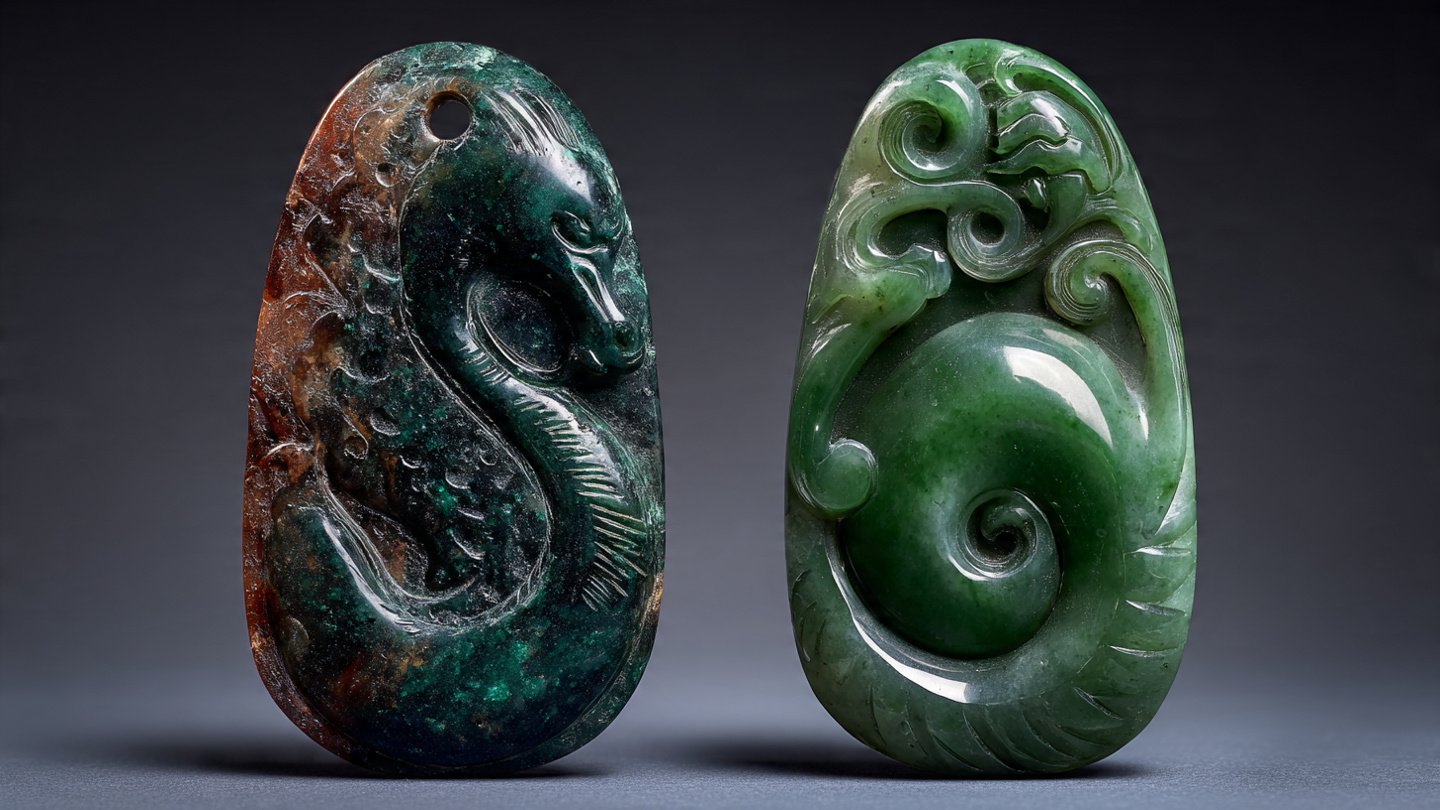
Jade uchvátil ľudstvo po tisíce rokov, a dnes ponúka trh ako vintage poklady a moderné kúsky, ktoré môžu nechať kupujúci zvedavý, ktorá cesta sa. Či už ste skúsený zberateľ alebo práve začína svoju nefritovú cestu, pochopenie rozdielov medzi vintage a moderné nefrit vám pomôže robiť múdrejšie nákupné rozhodnutia.
Potápať sa do všetkého, čo potrebujete vedieť o týchto dvoch fascinujúcich kategórií jednej zo svetových najobľúbenejších drahokamov.
Čo robí Jade tak výnimočnou
Než porovnáme ročník a moderný nefrit, poďme zistiť, čo robí tento drahokam mimoriadny. Jade v skutočnosti odkazuje na dva rôzne minerály: nefrit a jadeit. Oboje si ceníme medzi kultúrami, najmä v Číne, kde nefrit symbolizuje čistotu, múdrosť a nesmrteľnosť.
Hodnota nefritu závisí od niekoľkých faktorov vrátane farby, priesvitnosti, textúry a remeselnej tvorby. Jeden kus sa môže pohybovať od niekoľkých dolárov do miliónov, v závislosti od týchto vlastností.
Pochopenie vintage Jade
Čo znamená vintage jade
Vintage jade zvyčajne odkazuje na kusy, ktoré sú aspoň 20 až 30 rokov, aj keď mnoho zberateľov špeciálne hľadajú položky od začiatku do polovice 20. storočia. Niektoré skutočne starožitné kúsky pochádzajú stovky alebo dokonca tisíce rokov.
Tieto kusy často pochádzajú z nehnuteľností, aukcií alebo špecializovaných predajcov, ktorí overujú ich vek a pravosť. Pôvod (história vlastníctva) vintage nede dodáva významnú hodnotu, najmä ak je riadne zdokumentovaná.
Charakteristika Vintage Jade
Vintage jade kusov predviesť niekoľko charakteristických vlastností:
Vynikajúca remeselná výroba: Umelci predchádzajúcich generácií často strávili mesiace alebo roky ručne rezaným zložitým dizajnom. Úroveň detailov vo vintage skladbách často prevyšuje moderné výrobné metódy, najmä v čínskych a barmských nefritových rezbárňach.
Prírodná Patina: Dekády manipulácie a expozície vytvárajú jedinečný povrch charakter. Táto patina sa nedá umelo replikovať a slúži ako jeden ukazovateľ pravosti. Podľa Gemological Institute of America (GIA) toto prirodzené starnutie pridáva vizuálnu príťažlivosť aj hodnotu overovania.
Tradičné banícke zdroje: Mnohé vintage kusy pochádzajú z baní, ktoré sú teraz vyčerpané alebo obmedzené. Tento pôvod robí určité farby a vlastnosti čoraz vzácnejšie na dnešnom trhu.
Historický význam: Kúsky zo špecifických období, ako čínske dynastie Qing alebo Art Deco nefrit šperky, nesú kultúrny a historický význam, ktorý zvyšuje ich hodnotu nad rámec samotného materiálu.
Prečo si zberatelia vyberajú vintage jade
Odvolanie vintage nefade presahuje len estetiku. Zberatelia oceňujú spojenie s históriou a vedomie, že ich dielo prežilo desaťročia alebo storočia.
Dôležitú úlohu zohráva aj investičný potenciál. Kvalitné vintage jade zvyčajne ocení v priebehu času, najmä vzácne farby, ako je cisársky zelený jadeite alebo baranie-tučné biele nefrite. Obmedzená zásoba pravých vintage kusov poháňa toto ocenenie.
Mnohí kupujúci si tiež cenia environmentálny aspekt. Nákup vintage nede znamená žiadny nový banský vplyv, takže je to ekologická voľba.
Skúmanie modernej nefrológie
Čo definuje modernú nekrózu
Moderná jade zahŕňa kúsky vytvorené v posledných niekoľkých desaťročiach pomocou súčasnej ťažby, rezanie, a rezba techniky. Tieto kúsky dnes zaplavuje trh, od hromadne vyrábané šperky až po high-end vlastné výtvory.
Technológia spôsobila revolúciu v modernej nefritovej výrobe. Počítačom podporovaný dizajn a presné rezacie nástroje umožňujú konzistentnú kvalitu a zložité vzory, ktoré by spochybnili tradičných remeselníkov.
Charakteristika modernej Jade
Moderný nefrit prináša vlastné výhody:
Konzistentná kvalita: Advanced mining and grading systems ensure buyers know exactly what they’re getting. Reputable dealers provide detailed certificates specifying jade type, treatment history, and quality grades.
Innovative Designs: Contemporary artists push boundaries with creative interpretations. You’ll find everything from minimalist modern jewelry to fusion pieces combining jade with other materials.
Accessibility: Modern production methods make quality jade more affordable and available. You don’t need to visit specialty auctions or estate sales to find beautiful pieces.
Treatment Transparency: The modern market has established clear standards for disclosing treatments. The Jade and Gemstone Industry Association requires sellers to indicate if jade has been dyed, waxed, or polymer-impregnated.
Treatment and Enhancement in Modern Jade
Here’s where things get interesting. Modern technology allows for various jade treatments:
Typ A Jade: Natural, untreated jade with only traditional wax polishing. This represents the highest quality and maintains long-term value.
Typ B Jade: Acid-treated to remove impurities and polymer-impregnated for durability. This treatment improves appearance but reduces value and longevity.
Typ C Jade: Dyed to enhance color. While beautiful initially, colors may fade over time.
Typ B+C Jade: Both treated and dyed. These pieces offer beauty at lower price points but shouldn’t be considered investment pieces.
Understanding these categories helps you make informed purchases. Reputable dealers always disclose treatments, and certificates should specify the jade type clearly.
Key Differences Between Vintage and Modern Jade
Quality and Craftsmanship
Vintage pieces often showcase superior hand-carving skills developed over lifetimes of practice. Master carvers worked with hand tools, taking months to complete complex pieces. This labor-intensive process created unique characteristics and subtle variations that give vintage jade its distinctive character.
Modern pieces benefit from precision tools that ensure uniformity. While some contemporary artisans still hand-carve, most commercial modern jade uses machine assistance. This doesn’t necessarily mean lower quality, but it does create a different aesthetic.
Material Authenticity
Here’s a crucial distinction. Vintage jade is overwhelmingly authentic, untreated material. Before modern enhancement techniques existed, what you saw was what you got. Collectors generally trust pre-1980s pieces to be Type A jade unless proven otherwise.
Modern jade requires more scrutiny. According to a 2023 report from the International Colored Gemstone Association, approximately 70% of jadeite in today’s market has undergone some treatment. Always request certification and purchase from reputable sources.
Farba a vzhľad
Vintage jade often displays richer, more saturated colors from decades of handling and exposure to skin oils. The natural patina creates depth that new pieces lack.
Modern jade can show brilliant colors, but treated pieces may look artificially vivid. Learning to distinguish natural color from enhanced color takes practice and often requires gemological testing.
Price Considerations
Vintage jade typically commands premium prices, especially for documented pieces from recognized periods or artisans. A certified Qing Dynasty jade bangle can sell for tens of thousands of dollars, while similar-looking modern pieces might cost hundreds.
Modern jade offers better entry points for new collectors. You can purchase beautiful Type A jadeite jewelry for reasonable prices, building your collection without massive investment.
Investment Value
Vintage jade generally appreciates more reliably. Scarcity, historical significance, and proven durability make it attractive to serious investors. Auction houses like Sotheby’s and Christie’s regularly feature vintage jade, with record-breaking sales demonstrating strong market demand.
Modern jade’s investment potential varies dramatically. High-quality, untreated pieces from reputable sources will likely appreciate, while treated jade rarely increases in value.
How to Identify Quality in Both Categories
Testing and Verification
Whether buying vintage or modern jade, professional verification protects your investment.
Gemological Testing: Laboratories like GIA can identify jade type, detect treatments, and verify authenticity. Testing costs typically range from $50 to $200, well worth the peace of mind for significant purchases.
Vizuálna kontrola: Learn to recognize quality indicators. Fine jade shows even color distribution, good translucency when held to light, and smooth texture without pitting or cracks.
Zvuková skúška: Genuine jade produces a clear, musical tone when tapped. This traditional test isn’t foolproof but provides a quick initial check.
Skúška hustoty: Jade’s specific gravity (3.3 for jadeite, 3.0 for nephrite) distinguishes it from imitations. Reputable dealers can perform this test quickly.
Červené vlajky, na ktoré treba dávať pozor
Avoid pieces that seem too good to be true. Imperial green jade at bargain prices is almost certainly treated or fake. Sellers who refuse certification or become defensive about testing are best avoided.
Be wary of online marketplaces without return policies or authentication guarantees. While deals exist, protecting yourself should come first.
Building Knowledge and Expertise
The best defense against fraud is education. Visit museums to see authenticated pieces. Handle both vintage and modern jade to develop tactile recognition. Join collector groups where experienced members share insights.
Books like “Chinese Jade” by Roger Keverne and “Jade” by Robert E. Ford provide excellent foundational knowledge. Online resources from GIA and the Jade Trader offer current market information.
Making Your Purchase Decision
When to Choose Vintage Jade
Vintage jade suits collectors seeking investment-grade pieces with historical significance. If you value craftsmanship, provenance, and proven durability, vintage is your path.
Budget flexibility helps, as quality vintage pieces require substantial investment. However, the long-term appreciation potential often justifies the initial cost.
When Modern Jade Makes Sense
Modern jade works perfectly for everyday jewelry or starting your collection affordably. Contemporary designs appeal to buyers wanting something fresh rather than traditional.
If immediate availability and variety matter, modern jade’s expansive market offers endless options at every price point.
Combining Both in Your Collection
Many sophisticated collectors blend vintage and modern pieces. Vintage items serve as investment anchors while modern pieces provide variety and wearability.
This balanced approach lets you enjoy jade’s beauty daily while building long-term value.
Tipy na starostlivosť a údržbu
Preserving Vintage Jade
Handle vintage pieces gently to preserve their patina. Clean with soft, damp cloths only. Avoid ultrasonic cleaners or harsh chemicals that can damage aged jade.
Store vintage jade separately in padded boxes to prevent scratches. Temperature and humidity stability helps prevent cracking, particularly in thin carvings.
Maintaining Modern Jade
Modern jade, especially treated pieces, requires careful maintenance. Type B and C jade shouldn’t contact chemicals, perfumes, or even hot water, which can degrade polymer fillers or fade dyes.
Remove jade jewelry before exercising, swimming, or applying cosmetics. With proper care, even treated modern jade maintains its beauty for many years.
General Jade Care
Both vintage and modern jade benefit from:
- Regular gentle cleaning with mild soap and water
- Soft cloth drying immediately after cleaning
- Avoiding extreme temperature changes
- Periodic professional inspection for damage
- Safe storage away from harder gemstones
The Future of Jade Collecting
The jade market continues evolving. Increased awareness of treatments has made buyers more discerning, driving demand for certified Type A jade upward.
Environmental concerns are pushing the industry toward more sustainable practices. Burma (Myanmar), the world’s primary jadeite source, faces increasing scrutiny over mining conditions and environmental impact.
Vintage jade’s scarcity intensifies as collectors hold pieces rather than selling. This “lock-up” effect particularly impacts high-quality items, potentially accelerating price appreciation.
Meanwhile, modern jade technology advances. Improved detection methods make fraud harder while new cutting techniques create innovative designs that may become tomorrow’s collectibles.
Záverečné myšlienky
The choice between vintage jade and modern jade ultimately reflects your personal priorities, budget, and collecting goals. Vintage pieces offer historical connection, proven durability, and investment potential but require larger budgets and careful authentication.
Modern jade provides accessibility, variety, and contemporary aesthetics while demanding vigilance about treatments and quality certification.
Both categories deserve appreciation for their unique contributions to jade’s ongoing story. Whether you choose the patina of age or the innovation of modernity, jade’s timeless beauty enriches any collection.
Remember that knowledge protects you in any market. Continue learning, ask questions, and never rush significant purchases. The perfect jade piece waits for the prepared collector.
Have you discovered your perfect jade piece yet? Share your jade collecting experiences in the comments below, and don’t forget to bookmark this guide for future reference. If you found this article helpful, share it with fellow jade enthusiasts who might benefit from these insights!


