

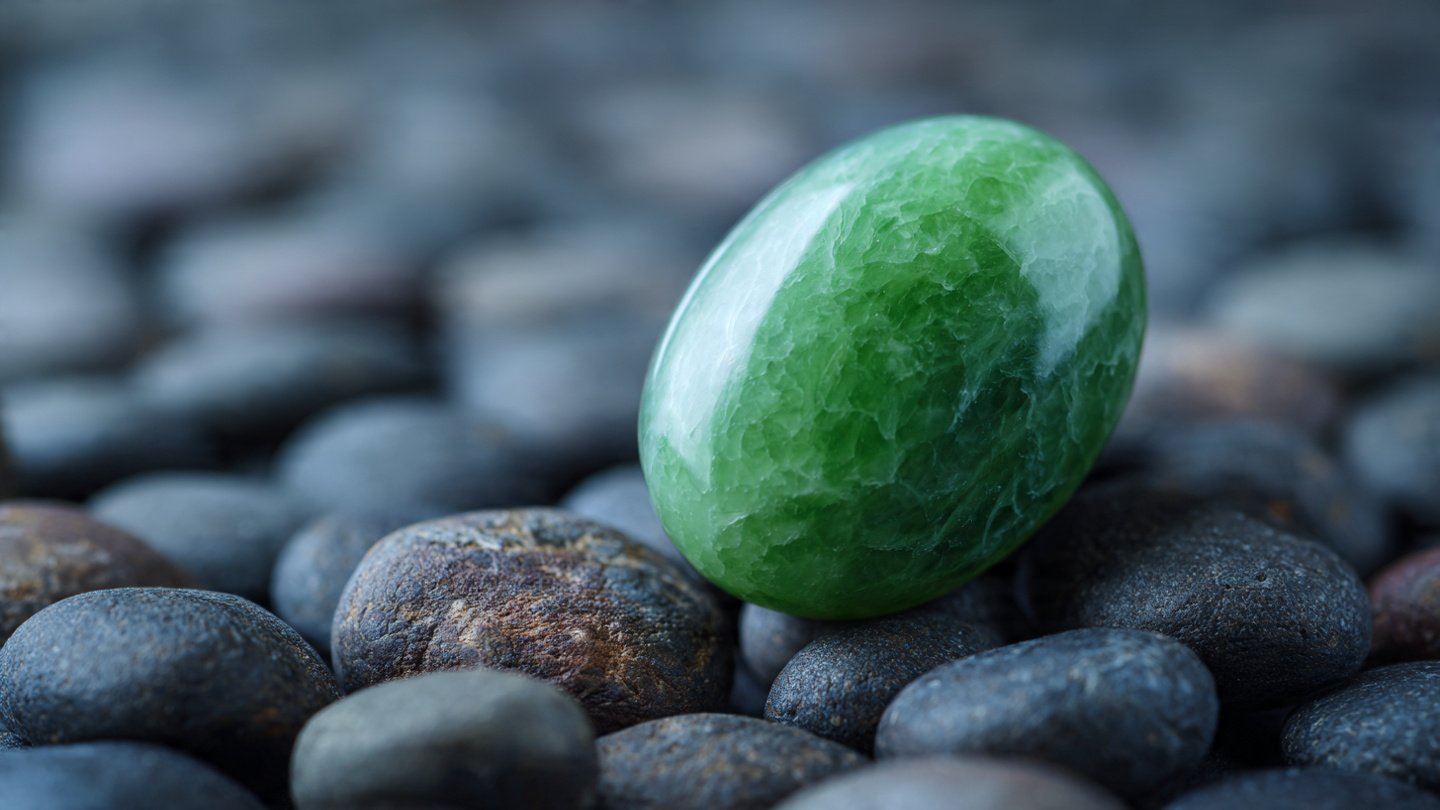
Jade je viac než len krásny zelený kameň—symbol, ktorý má hlboký význam medzi kultúrami už tisíce rokov. Od starovekých čínskych cisárov až po Maoriských bojovníkov, od mayských kňazov až po moderných nositeľov šperkov, nefrit predstavuje ľudstvo, najvyššie ideály a najhlbšie duchovné presvedčenie. Pochopenie toho, čo nefrit symbolizuje otvára okno do duše civilizácií a odhaľuje, prečo tento kameň zostáva dnes taký cenný.
Univerzálny symbolizmus Jade
V rôznych kultúrach a časových obdobiach sa určité symbolické významy objavujú opakovane, pokiaľ ide o jade:
Čistota a šľachtaJade je hladká textúra a svetelný vzhľad urobili z neho symbol morálnej čistoty a ušľachtilý charakter počas celej histórie.
OchranaMnohé kultúry veria, že nefrit má ochranné vlastnosti, chráni nositeľov pred poškodením, negatívnou energiou a nešťastím.
Harmonizácia a vyrovnanosťJade je pokojný vzhľad predstavuje mier, rovnováhu a harmonický život.
Dĺžka a nemravnosť: Jeho trvanlivosť a nadčasová krása urobili nefrit symbolom večného života a trvalé dedičstvo.
Prosperita a dobré šťastie: Jade bol dlho spojený s bohatstvom, úspechom a pozitívny osud.
Múdrosť a pokoj: Kamene pokojnej energie je veril podporovať jasné myslenie a pokojné emócie.
Tieto základné významy prekračujú kultúrne hranice, hoci každá civilizácia pridala svoj vlastný jedinečný výklad do nefritového symbolického jazyka.
Čínska Jade symbolizmus: Kameň neba
Žiadna kultúra neuctievala nefrit viac alebo dlhšie ako čínska civilizácia. V Číne nefrit—známe ako "yu"—drží pozíciu bez súhry s akýmkoľvek iným kameňom alebo dokonca drahým kovom.
Päť vinníkov Jade
Staroveký čínsky filozof Konfucius identifikoval päť cností stelesnených do nefritu, ktoré odrážajú morálne vlastnosti, ktoré sa od šľachetného človeka očakávajú:
OstražitosťJade jemná, teplá leskná predstavuje láskavosť a súcit, ako jemná duša, ktorá prináša pohodlie druhým.
Spravodlivosť: Kameňová priesvitnosť symbolizuje čestnosť a morálnu integritu—Nič nie je skryté, všetko je jasné.
MúdrosťJade je čistý tón, keď udrel predstavuje inteligenciu a zdravý úsudok.
Odvaha: Napriek tomu, že sa zdá jemné, nefrit je pozoruhodne ťažké, symbolizuje vnútornú silu a statočnosť.
ČistotaJade je čistý vzhľad predstavuje morálnu čistotu a duchovnú čistotu.
Týchto päť cností urobil nefrit konečným symbolom ideálnej osoby v čínskej filozofii. Učenci, úradníci a páni nosili nefrit na pripomenutie, že stelesňujú tieto vlastnosti.
Imperiálny symbolizmus
Pre čínskych cisárov mal nefrit mimoriadny význam:
Cisársky úrad: Jade pečate potvrdil cisárske nariadenia, takže nefrit symbol konečnej pozemskej moci.
Spojenie s nebom: Cisári boli považovaní za "Syn nebies," a nefrit, nazývaný "Stone nebies," predstavoval ich božský príkaz vládnuť.
Nesmrteľnosť: Cisári boli pochovaní v nefritových oblekoch (pozostávajúcich z tisícov nefritových kusov zošité spolu so zlatom alebo strieborným drôtom) veriaci nefrit by zachovať svoje telá a zabezpečiť nesmrteľnosť.
Kozmická rovnováha: Jade bi disky (ploché kruhové nefritové kusy s otvorom v strede) reprezentoval nebo, zatiaľ čo nedium kong (štvorcové trubice) reprezentoval zem, symbolizujúce cisára úlohu pri udržiavaní kozmické harmónie.
Jade v čínskom každodennom živote
Mimo cisárskych súdov, nefrit nesie význam v celej čínskej kultúry:
Rodinné dedičstvo: Jade šperky prešiel generácie symbolizuje rodinnú kontinuitu a predkov pripojenie.
Svadobné dary: Jade predstavuje harmóniu a večnú lásku v manželstve.
Pôrodné kamene: Jade amulety chrániť novorodencov a symbolizovať rodinu a dúfa, že do ich budúcnosti.
Symbol dlhovekosti: Dávanie nefritu starším symbolizuje priania na dlhý život a dobré zdravie.
Business Tokens: Jade gifts in business relationships symbolize trust, longevity of the partnership, and mutual prosperity.
Maori Jade Symbolism: Pounamu, the Sacred Stone
For the Maori people of New Zealand, jade—called “pounamu” or “greenstone”—holds profound spiritual and cultural significance.
Taonga: Treasured Heritage
Pounamu is considered “taonga”—a treasured object with spiritual essence or “mana.” This concept goes beyond material value:
Living Entity: Maori believe pounamu has mauri (life force), making it a living being rather than an inert object.
Spiritual Connection: Each piece of pounamu creates a spiritual bond with its wearer, absorbing their life experiences and mana.
Ancestral Link: Pounamu heirlooms carry the mana of all previous owners, connecting wearers to their ancestors.
Symbolic Pounamu Forms
Traditional Maori jade carvings carry specific meanings:
Hei Tiki: A humanoid pendant representing fertility, safe childbirth, and ancestral connection. Often passed through families for generations.
Hei Matau (Fish Hook): Symbolizes prosperity, abundance, safe travel over water, and determination. Represents Maori connection to the sea.
Koru (Spiral): Based on unfurling fern fronds, symbolizes new life, growth, strength, and peace. Represents new beginnings and harmony.
Twist (Pikorua): Represents the joining of two lives or cultures, symbolizing eternal love, friendship, and loyalty. Often given as wedding or friendship tokens.
Manaia: A spiritual guardian figure that protects against evil and guides souls to the afterlife.
Gifting Protocols
In Maori culture, pounamu carries special protocols:
- Traditionally, pounamu should be given as a gift rather than bought for oneself
- Gifting pounamu creates a spiritual bond between giver and receiver
- Taking pounamu from New Zealand connects you to the land, requiring respect and responsibility
Maya and Aztec Jade Symbolism: Divine Connection
For ancient Mesoamerican civilizations, jade was the most precious substance—more valuable than gold.
Spiritual and Divine Symbolism
Water and Fertility: Green jade represented life-giving water, essential in agricultural societies. It symbolized growth, abundance, and fertility.
Divine Breath: The Maya believed jade represented the breath of life and cosmic energy flowing through the universe.
Royal Authority: Only rulers and high priests could wear jade, making it a symbol of divine right to rule.
Afterlife: Jade was placed in mouths of the deceased, believing it would substitute for the heart and ensure safe passage to the afterlife.
Jade and the Gods
Quetzalcoatl: The feathered serpent god was associated with jade, particularly jade-green quetzal feathers.
Chalchiuhtlicue: The Aztec goddess of water wore jade skirts, linking the stone to life, purity, and sustenance.
Sacred Offerings: Jade was the ultimate offering to gods, demonstrating its supreme value and spiritual power.
Buddhist and Hindu Symbolism
Jade holds significance in Eastern religious traditions beyond Chinese culture.
Buddhist Meanings
Spiritual Development: Jade represents the journey toward enlightenment and spiritual perfection.
Karmic Purity: Wearing jade symbolizes clearing negative karma and promoting positive actions.
Meditation Aid: Jade’s calming energy is believed to facilitate meditation and spiritual awareness.
Compassion: Like Kwan Yin (Goddess of Mercy) often depicted with jade, the stone represents compassion and loving-kindness.
Hindu Symbolism
Čakra srdca: Green jade is associated with the heart chakra (Anahata), representing love, compassion, and emotional balance.
Divine Connection: Jade bridges earthly existence and divine consciousness.
Prosperity: The goddess Lakshmi’s blessings are sometimes symbolized through jade, representing material and spiritual wealth.
Jade Color Symbolism: Different Shades, Different Meanings
While green jade is most famous, different jade colors carry distinct symbolic meanings:
Green Jade
- Growth and renewal
- Nature and natural harmony
- Healing and vitality
- Heart-centered consciousness
- Abundance and prosperity
Name
- Čistota a nevinnosť
- Spiritual clarity
- New beginnings
- Connection to the divine
- Peace and serenity
Lavender/Purple Jade
- Duchovné povedomie
- Divine connection
- Citové hojenie
- Transformácia
- Intuition and psychic ability
Red Jade
- Passion and courage
- Life force energy
- Protection from physical danger
- Vitality and strength
- Assertiveness and action
Žltá jada
- Joy and happiness
- Optimism and cheerfulness
- Digestive health and vitality
- Intellect and clarity
- Personal power
Black Jade
- Protection against negativity
- Uzemnenie a stabilita
- Mystery and sophistication
- Deep wisdom
- Connection to the earth
Modrá jada
- Mier a pokoj
- Communication and self-expression
- Emotional release
- Reflection and contemplation
- Calm in chaos
Modern Symbolic Meanings: Jade Today
While ancient symbolism persists, jade has acquired contemporary meanings:
Personal Growth Symbol
Modern wearers often choose jade to represent:
- Personal transformation and self-improvement
- Commitment to living authentically
- Balance between material and spiritual life
- Environmental consciousness (jade’s connection to nature)
- Mindful living and intentionality
Relationship Symbolism
Jade increasingly appears in:
- Engagement Rings: Symbolizing lasting love and commitment
- Anniversary Gifts: Representing relationship longevity and growth
- Friendship Tokens: Celebrating deep, enduring connections
- Family Bonds: Connecting generations and honoring heritage
Wellness and Healing Symbol
In contemporary wellness culture, jade symbolizes:
- Holistic health and balance
- Mind-body-spirit integration
- Natural healing approaches
- Self-care and nurturing
- Emotional well-being
Metaphysical and Healing Symbolism
Beyond cultural traditions, many people attribute metaphysical properties to jade:
Emotional Healing
Jade is believed to:
- Calm anxiety and promote emotional stability
- Release negative thoughts and toxic patterns
- Encourage self-love and acceptance
- Heal emotional wounds from the past
- Promote forgiveness and compassion
Physical Symbolism
In various healing traditions, jade represents:
- Kidney and adrenal health (particularly nephrite, whose name comes from the Greek word for kidney)
- Detoxification and purification
- Skeletal strength and durability
- Fertility and reproductive health
- Longevity and vitality
Spiritual Protection
Many traditions view jade as a protective stone:
- Shields against negative energy
- Prevents energy drain from toxic people
- Guards travelers on physical and spiritual journeys
- Protects children and vulnerable individuals
- Creates energetic boundaries
Jade in Feng Shui: Symbolic Placement
In feng shui practice, jade symbolizes and attracts specific energies:
Wealth Corner: Placed in the southeast area of a home to attract prosperity
Health Area: Used in the east to promote family health and vitality
Love Corner: Positioned in the southwest to enhance romantic relationships
Career Area: Placed in the north to support professional growth and opportunities
Nefritové rastliny: Living jade plants (Crassula ovata) symbolize similar properties and are popular feng shui tools
What Jade Symbolizes for You
While jade carries these rich historical and cultural meanings, its personal symbolism is equally important. Many people develop their own relationship with jade, finding it represents:
- A turning point in their life journey
- Connection to their heritage or adopted culture
- A reminder of personal values and goals
- A link to a loved one who gifted it
- A symbol of personal achievement or transformation
The beauty of jade’s symbolism is its flexibility—it can honor ancient traditions while carrying deeply personal meaning for the individual wearer.
Respecting Jade’s Cultural Significance
As you appreciate jade’s symbolism, remember that for many cultures—particularly Chinese, Maori, and Indigenous American communities—jade isn’t just symbolic; it’s sacred. When wearing or displaying jade:
- Learn about and honor the cultural traditions associated with your jade
- If wearing traditional cultural forms (like Maori designs), understand their meaning and significance
- Support ethical sourcing that respects indigenous rights and environmental sustainability
- Appreciate jade as part of living cultures, not just historical artifacts
- Share knowledge respectfully when teaching others about jade’s meanings
Záver
What does jade stone symbolize? The answer encompasses thousands of years of human wisdom, spanning continents and cultures. Jade symbolizes our highest aspirations—purity, wisdom, harmony, protection, love, and connection to something greater than ourselves.
Whether representing Confucian virtue in ancient China, spiritual mana in Maori tradition, divine connection for the Maya, or personal growth for modern wearers, jade consistently symbolizes what we value most deeply. Its enduring symbolism across such diverse cultures suggests jade touches something universal in the human experience—our desire for meaning, beauty, connection, and transcendence.
When you wear or gift jade today, you’re participating in a symbolic tradition that stretches back to humanity’s earliest civilizations. You’re connecting with the same hopes, dreams, and values that inspired our ancestors to cherish this remarkable stone. That’s perhaps jade’s ultimate symbolism: it represents our shared humanity and the timeless values that unite us across cultures and centuries.
In holding jade, you hold not just a beautiful stone, but a symbol of everything we aspire to be—as individuals, as communities, and as a species. And that’s what makes jade eternally precious.


